
Finding shapewear that actually works for your body is harder than it looks. Most people grab something off the rack, squeeze into it, and spend the day tugging, adjusting, or just feeling uncomfortable. The real challenge with shapewear for different body shapes is that one style absolutely does not fit all. Your body has specific zones that need support, and the right piece should feel like a second skin, not a wrestling match. This guide walks you through exactly what to look for, which styles suit which shapes, and how to make every wear feel genuinely comfortable.
Table of Contents
- Key Takeaways
- 1. How to choose shapewear for different body shapes
- 2. Pear body shape: smooth hips and thighs with the right coverage
- 3. Apple body shape: tummy and waist control that actually holds
- 4. Hourglass body shape: support without squishing your curves
- 5. Athletic body shape: contouring without the squeeze
- 6. Rectangle and plus size bodies: all-over smoothing and support
- 7. Comparing popular shapewear types at a glance
- 8. Matching shapewear to your outfit neckline and occasion
- 9. Practical tips for comfort and long-term wear
- My honest take on shapewear and body confidence
- Find your fit at Ilovenichewear
- FAQ
Key Takeaways
| Point | Details |
|---|---|
| Match style to your shape | Target specific body zones with the right shapewear type, like shorts for hips or bodysuits for the torso. |
| Compression level matters | Higher compression shapes more but can feel restrictive over long hours, so balance intensity with comfort. |
| Fabric makes a real difference | Breathable fabrics like modal and bamboo blends keep you comfortable and cool throughout the day. |
| Sizing up is often smarter | Going one size up frequently improves comfort while still delivering a smooth, flattering shape. |
| Test before you commit | Simulate movement and bathroom breaks at home to confirm fit before wearing shapewear all day. |
1. How to choose shapewear for different body shapes
Before you pick a style, you need to understand what you are actually working with. Body shape is not just about size. It is about where your body carries weight and where you want smoothing or support. The five most common shapes are pear, apple, hourglass, athletic, and rectangle, and each one benefits from a different approach.
Think of choosing shapewear as coverage mapping. Zone-based shapewear selection means shorts and high-waist underwear target the lower belly and hips, while bodysuits handle the full midsection and bust. Knowing your target zone first makes every other decision easier.
Here are the key factors to assess before you buy:
- Body shape and target zones: Identify where you want smoothing. Hips and thighs? Go for shorts or high-waist briefs. Midsection and bust? A bodysuit covers more ground.
- Compression level: Light compression works for everyday wear and sensitive skin. Medium compression smooths without restricting. Firm compression creates the most noticeable shaping but can feel tight after a few hours. Higher compression shapes more but may reduce comfort over long wear.
- Fabric and breathability: Look for modal, bamboo, nylon microfiber, or cotton blends. Breathable, moisture-wicking fabrics like these boost daily wear comfort significantly.
- Fit indicators: You should be able to breathe deeply, sit down comfortably, and move without the waistband rolling. Good shapewear fits like your own skin and allows movement without pain.
- Sizing: Sizing varies across brands, and many people find that going one size up improves comfort while still delivering a smooth shape.
- Adjustable features: Silicone grip edges prevent rolling. Pull-aside gussets make bathroom breaks easier. Adjustable straps let you customize the fit.
Pro Tip: Before buying, check the brand’s size chart against your actual measurements, not your usual clothing size. Shapewear sizing often runs differently from regular apparel.
2. Pear body shape: smooth hips and thighs with the right coverage
The pear shape carries more weight in the hips, thighs, and lower belly than in the shoulders or bust. The goal here is not to minimize those curves but to smooth and support them so everything looks polished under clothes.
High-waist shorts are your best friend. They cover from the natural waist down to mid-thigh, smoothing the lower belly, hips, and outer thighs in one piece. Look for styles with a wide, flat waistband that sits comfortably at your natural waist without digging in. The Maidenform Hi-Waist Brief is a well-loved option in this category, offering firm tummy control without the dreaded muffin-top effect at the waistband.
For dresses and skirts, a slip-style shaper that extends to the knee gives you thigh coverage while reducing friction. Pair it with anti-chafe thigh straps on warmer days for extra comfort between the legs.
3. Apple body shape: tummy and waist control that actually holds
The apple shape tends to carry weight around the midsection, with a fuller belly and narrower hips. The priority here is firm, consistent tummy control that does not roll down or bunch.
A bodysuit is the gold standard for this shape. It stays in place because it connects at the crotch, so there is no waistband to slip. Look for styles with built-in boning or a reinforced panel at the front for targeted tummy compression. The Skims Seamless Sculpt bodysuit is frequently cited for its comfort and shaping across body types, including fuller midsections.
High-waist briefs also work well for everyday wear when you want tummy control without the full-body coverage. Choose a style with medium to firm compression at the front panel and lighter compression at the sides so you can breathe comfortably.
4. Hourglass body shape: support without squishing your curves
If you already have a defined waist and balanced bust-to-hip ratio, the last thing you want is shapewear that flattens what you have. Shapewear for the hourglass shape should enhance, not erase.
Light to medium compression works best here. A waist cincher or a mid-thigh bodysuit with an open or underwire-free bust lets your natural shape show while smoothing any texture under fitted clothes. Avoid firm compression at the waist, since it can create a rigid, unnatural silhouette on a naturally curved frame.
Look for styles with flexible fabric and a bit of stretch at the waist. Buying shapewear by fit and coverage rather than brand name alone is especially true for hourglass shapes, where the wrong style can actually work against you.
5. Athletic body shape: contouring without the squeeze
Shapewear for athletic body shapes is less about heavy compression and more about creating soft curves. Athletic builds tend to have straighter lines through the waist and hips, so the goal is gentle contouring rather than aggressive shaping.
Light compression shorts or a seamless bodysuit with a lightly padded hip panel can add the illusion of curves without feeling restrictive. Breathable fabrics are especially important here because athletic builds often run warmer and prefer freedom of movement.
Breathable modal fabric shapewear offers contouring without heavy pressure, making it a great fit for active or athletic builds who want shape without the suffocating feel of traditional firm-compression styles. Pieces with four-way stretch also allow you to move naturally, which matters a lot if you are wearing shapewear through a full, active day.
6. Rectangle and plus size bodies: all-over smoothing and support
Rectangle shapes have similar measurements at the bust, waist, and hips. The goal is usually to create the appearance of a more defined waist while smoothing the midsection. A waist-cinching bodysuit or a high-waist brief with a strong front panel works well.
For plus size women, fit and fabric quality matter even more. Shapewear can be comfortable across varied body types when chosen by fit and coverage rather than assumptions about size. Look for extended size ranges, wide waistbands that do not cut in, and reinforced panels that distribute compression evenly rather than concentrating it in one spot.
Seamless construction is a major plus for plus size shapewear. It reduces visible lines under clothes and prevents the fabric from rolling or bunching at the edges. The postpartum seamless bodysuit at Ilovenichewear is a great example of a piece designed with curves and comfort both in mind.
7. Comparing popular shapewear types at a glance
Different shapewear styles serve different purposes. Here is a quick comparison to help you match style to shape and occasion.
| Style | Best for | Compression | Fabric notes | Special features |
|---|---|---|---|---|
| High-waist shorts | Pear, apple, rectangle | Medium to firm | Nylon/spandex blends | Silicone grip, flat waistband |
| Bodysuit | Apple, hourglass, plus size | Medium to firm | Modal, microfiber | Open bust, gusset, adjustable straps |
| Waist cincher | Hourglass, rectangle | Light to medium | Breathable mesh panels | Boning, hook-and-eye closure |
| Seamless underwear | All shapes, daily wear | Light | Bamboo, modal blends | No visible lines, four-way stretch |
| Thigh shaper slip | Pear, plus size | Light to medium | Nylon, spandex | Anti-chafe, knee-length coverage |
Pro Tip: If you are new to shapewear, start with light compression seamless underwear for everyday wear. You can always move up to medium or firm compression once you know what feels right for your body.
8. Matching shapewear to your outfit neckline and occasion
Shapewear for different outfit necklines is one of the most overlooked parts of the whole process. The wrong style under the wrong outfit creates visible straps, awkward lines, or a neckline that does not sit right.
Here is how to match your shapewear to what you are wearing:
- Plunging or V-necklines: Choose a bodysuit with an open bust or a deep V front. Strapless styles also work well here.
- Off-shoulder or strapless tops: Go with a strapless bodysuit or high-waist shorts so no straps are visible at the shoulder.
- Backless dresses: Look for a low-back or backless bodysuit specifically designed for open-back styles. Standard bodysuits will show.
- Fitted pencil skirts or trousers: A high-waist brief or shorts gives you smooth lines from waist to mid-thigh without adding bulk.
- Casual everyday wear: Light compression seamless underwear in breathable bamboo fabric is comfortable enough for all-day wear without feeling like shapewear at all.
For special occasions, you can go up a compression level since you are wearing the piece for a shorter time. For all-day office or travel wear, prioritize breathability and a pull-aside gusset for bathroom ease.
9. Practical tips for comfort and long-term wear
Choosing the right piece is only half the job. How you wear and care for your shapewear determines how long it stays comfortable and effective.
- Test movement at home first. Simulate movement and bathroom breaks before wearing shapewear out for a full day. Sit, bend, walk, and check that nothing rolls or pinches.
- Layer smartly. Wearing a light cotton or modal underlayer between your skin and firm-compression shapewear reduces irritation on sensitive skin.
- Wash with care. Hand wash or use a mesh laundry bag on a gentle cycle. Avoid the dryer, which breaks down elastic fibers and reduces shaping power over time.
- Do not go too tight. Shapewear that restricts your breathing or leaves deep red marks is too small. Comfort and shaping are not opposites.
- Rotate your pieces. Wearing the same shapewear every day without rest shortens its life. Two or three pieces in rotation keep the elastic fresh.
Pro Tip: If you feel any numbness, tingling, or shortness of breath while wearing shapewear, take it off. These are signs the compression is too intense for your body right now.
My honest take on shapewear and body confidence
I have tried enough shapewear over the years to know that the most expensive piece is not always the most comfortable one. What I have learned is that the brands with the loudest marketing are not always the ones that feel best after eight hours on your feet.
The real shift for me was stopping the search for something that would “fix” my shape and starting to look for something that would support it. Matching compression to specific body zones rather than buying one-size-fixes-all solutions made a genuine difference. A light-compression seamless brief on a regular Tuesday feels completely different from a firm bodysuit for a wedding. Both have their place.
I am genuinely excited about the direction fabric technology is going. Comfort-centric design with breathable fabrics is becoming the new standard, and it means you no longer have to choose between shaping and feeling good. That used to be the trade-off. It does not have to be anymore.
My advice? Listen to your body. If something feels wrong after ten minutes, it will feel worse after ten hours. Trust that signal.
— I
Find your fit at Ilovenichewear
Ready to put this into practice? At Ilovenichewear, you will find a thoughtfully curated shapewear collection built around real comfort and body-friendly design. Whether you are looking for seamless everyday pieces, breathable modal options, or something with a little more structure for a special occasion, there is something for every shape and preference.
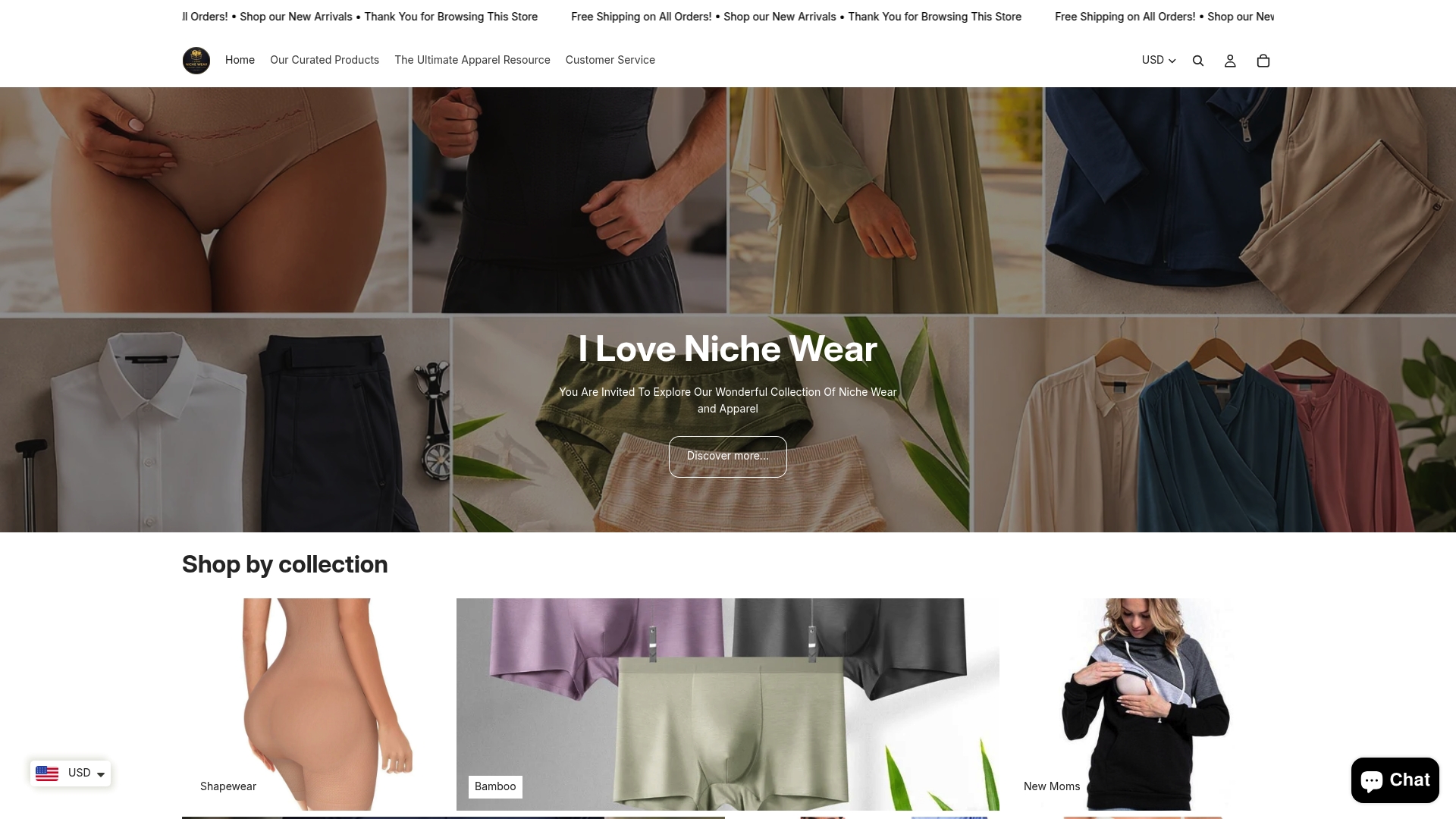
The collection includes pieces made with bamboo and modal fiber blends for all-day breathability, plus handy accessories like anti-chafe thigh straps that make wearing shapewear genuinely more comfortable from morning to night. Check the size guides, read the customer reviews, and take the guesswork out of finding your perfect fit. Your most comfortable, confident self is just a few clicks away.
FAQ
What shapewear works best for a pear body shape?
High-waist shorts or briefs that cover from the natural waist to mid-thigh are ideal for pear shapes. They smooth the lower belly, hips, and outer thighs in one comfortable piece.
How do I know if my shapewear is too tight?
If you feel restricted breathing, see deep red marks on your skin, or experience any numbness, your shapewear is too small. Good shapewear should feel snug but never painful.
Should I size up in shapewear?
Often, yes. Choosing a size larger improves comfort and prevents rolling while still delivering effective shaping, especially for all-day wear.
What is the best shapewear for plus size women?
Seamless bodysuits and high-waist briefs with wide, flat waistbands and reinforced front panels work best. Look for extended size ranges and breathable fabric blends for all-day comfort.
Can I wear shapewear under a backless dress?
Yes, but you need a style specifically designed for open backs. Standard bodysuits will show. Look for low-back or backless bodysuit options that sit below the dress opening.