
Adaptive nursing wear is clothing engineered to simplify breastfeeding, medical access, and assisted dressing through thoughtful design modifications that address specific comfort and functional needs. Unlike standard nursing tops, adaptive nursing apparel combines accessibility features like magnetic closures, snap fasteners, and open-back designs with soft, breathable fabrics that respond to body temperature changes and sensory sensitivities. The result is clothing that works for you, not against you, whether you are a new mother feeding your baby at 3 AM or a caregiver helping someone through post-surgical recovery. Understanding what is adaptive nursing wear means recognizing that these garments serve a much wider group than breastfeeding mothers alone.
What is adaptive nursing wear, and how does it differ from regular nursing clothes?
Adaptive nursing wear is defined as clothing modified with functional design elements that make dressing, undressing, and body access easier for people with specific physical, medical, or caregiving needs. The term “adaptive clothing” is the recognized industry standard, and nursing wear falls within this broader category when it incorporates access features for feeding or medical care.
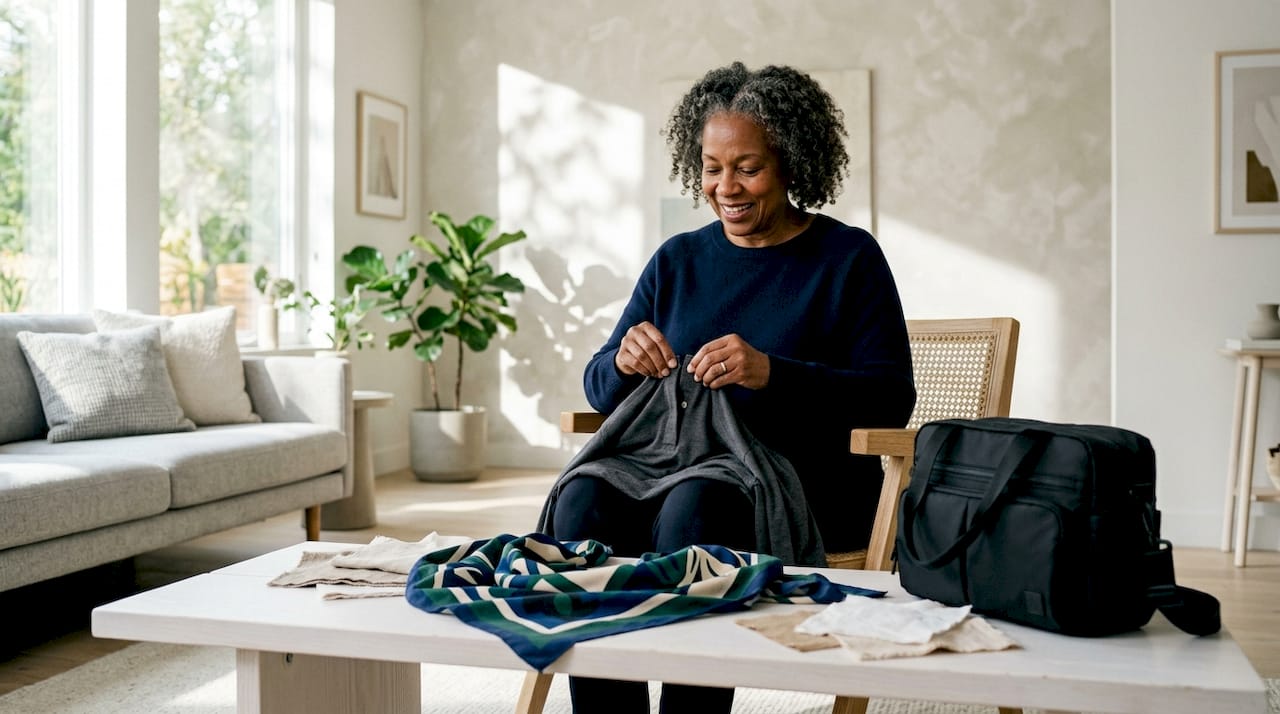
Regular nursing tops typically offer a basic lift-and-feed flap or a simple pull-aside panel. Adaptive nursing apparel goes further. Key modifications include Velcro, magnetic snaps, elastic waistbands, and open-back designs that reduce effort, increase independence, and assist caregivers in dressing individuals with physical or cognitive limitations. That difference in design depth is what separates adaptive garments from basic nursing flaps.
The features that define adaptive nursing clothing include:
- Magnetic closures and hidden snaps that open and close with minimal grip strength
- Velcro panels positioned for one-handed or assisted access
- Front-open, back-overlap, and side-zip designs that accommodate different caregiving positions
- Flat seams and tagless construction to reduce skin irritation for sensory-sensitive wearers
- Openings designed for medical devices such as PICC lines, drainage bulbs, or insulin pumps
- Breathable natural fibers that adjust to fluctuating body temperatures
Pro Tip: Look for garments that label their closure type specifically. “Magnetic closure” and “hidden snap” are not interchangeable. Magnetic systems require zero grip strength, making them the better pick if dexterity is a concern.
The garment types most commonly found in adaptive nursing apparel include front-open tops, wrap-style cardigans, side-zip nursing bras, and adaptive sleepwear. Each design solves a specific access problem without sacrificing the look of everyday clothing.
Who benefits most from adaptive nursing wear?
Adaptive nursing wear serves a broader group than most people expect. These garments benefit people with limited dexterity or mobility, including new mothers, elderly individuals, and medically compromised people who need easier garment removal and access. That range matters because the design solutions that help a breastfeeding mother also help a caregiver dressing a patient after hip replacement surgery.
The groups who gain the most from adaptive nursing apparel include:
- New mothers who need fast, comfortable breastfeeding access without fumbling with complicated closures during nighttime feeds
- Postoperative patients recovering from chest, abdominal, or orthopedic surgery who cannot lift their arms fully or tolerate tight waistbands
- People managing chronic conditions such as multiple sclerosis, Parkinson’s disease, or arthritis who need clothing that accommodates tremors or limited grip
- Individuals with sensory sensitivities who require flat seams, tagless labels, and soft fabrics to avoid skin irritation
- Caregivers assisting with daily dressing for family members or patients with mobility challenges
Adaptive garments serve individuals beyond breastfeeding, including surgery recovery and chronic illness management. That expanded scope is why the adaptive clothing category has grown well beyond maternity aisles into mainstream medical and caregiving supply.
Dignity is a core benefit that often goes unmentioned. Adaptive nursing clothing preserves the wearer’s sense of self by keeping openings discreet and closures secure. A mother feeding in public or a patient receiving wound care both deserve clothing that does not expose more than necessary.
How does adaptive nursing wear improve comfort and caregiving efficiency?
Adaptive nursing wear reduces dressing time, lowers physical strain on caregivers, and gives wearers more control over their own bodies. Those three outcomes compound quickly across a full day of care.
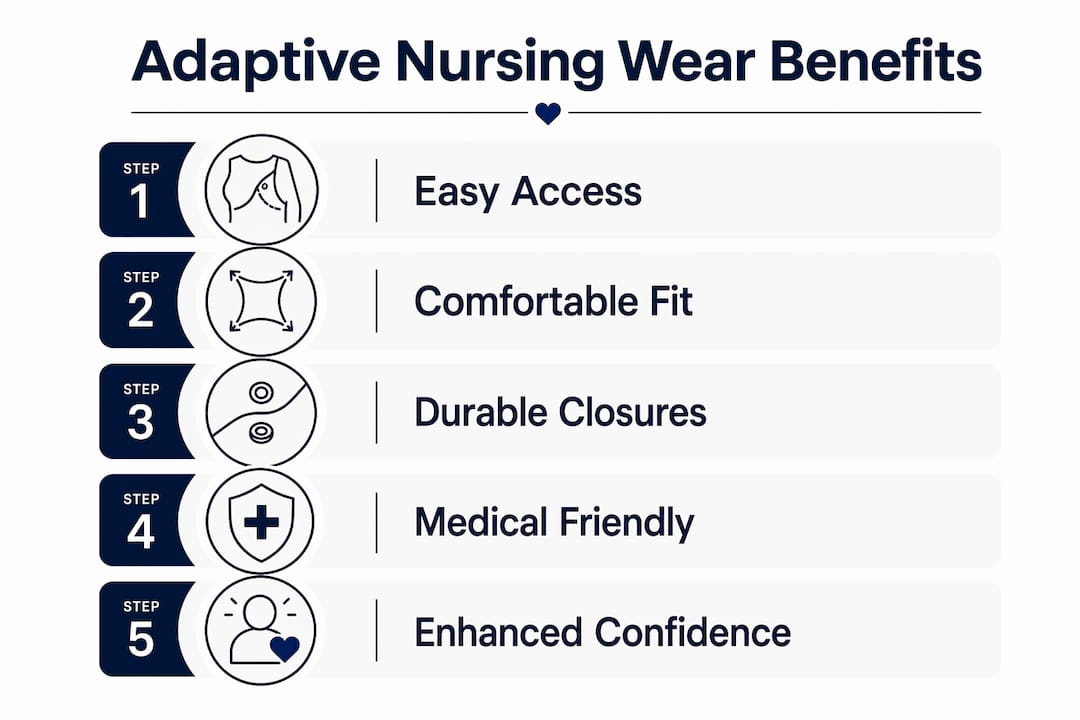
Caregivers report a significant reduction in physical strain and time spent on dressing when using adaptive clothing with easy-access openings. That improvement enhances care quality and caregiver well-being by minimizing repetitive bending and lifting. Over weeks and months, that reduction in repetitive movement lowers the risk of caregiver injury.
The practical efficiency gains follow a clear pattern:
- Faster dressing cycles. Adaptive nursing clothing allows caregivers to dress patients quickly while preserving dignity through discreet openings and secure fasteners. A task that once took ten minutes can take two.
- Reduced skin irritation. Flat seams and soft fabrics eliminate the friction points that standard clothing creates during repeated dressing and undressing.
- Maintained privacy. Discreet openings mean that feeding or medical access does not require full garment removal, protecting the wearer’s privacy in shared spaces.
- Lower caregiver injury risk. Fewer awkward repositioning movements mean less strain on the caregiver’s back, shoulders, and wrists.
- Greater wearer autonomy. When closures require minimal grip strength, wearers can dress themselves independently, which supports both confidence and recovery.
Pro Tip: If you are choosing adaptive nursing wear for someone else, watch one full dressing cycle in their current clothing first. The specific friction point you observe, whether it is a tight neckline or a fiddly button, tells you exactly which adaptive feature to prioritize.
Velcro and magnetic closures are common in adaptive clothing because they require minimal grip strength and reduce frustration for people with arthritis or tremors. These closures enable both independent dressing and smoother caregiver assistance, making them the most versatile choice across user groups.
How to choose adaptive nursing wear that actually works
Choosing adaptive nursing wear comes down to five practical criteria. Getting all five right means the garment works every day, not just in the store.
Closure type and durability
Magnetic closures stand out as high-functioning adaptive wear features because of their durability through repeated machine washings. Experts recommend sturdy hidden snaps or magnetic systems to differentiate functional adaptive wear from basic nursing flaps. Velcro works well for low-frequency use but can collect lint and lose grip after heavy washing. For daily nursing or caregiving wear, magnetic or snap systems outlast Velcro in real-world conditions. You can read more about magnetic closure options to compare specific garment types before buying.
Fabric and skin comfort
Adaptive nursing wear fabrics should be breathable, soft, and machine washable. Breathable natural fibers and flat seams reduce skin irritation for wearers with sensory challenges or temperature fluctuations. Cotton, bamboo, and modal blends are the most common choices in quality adaptive nursing apparel. Avoid fabrics with rough textures or tight weaves that trap heat, especially for postpartum or post-surgical wear.
Fit and medical device accommodation
A garment that fits well over a breast pump, drainage bulb, or PICC line looks and feels different from standard sizing. Check that openings sit at the right position for your specific device or feeding method. Side-zip and front-open designs give the most flexibility for device placement.
Style and confidence
Adaptive nursing apparel does not have to look clinical. Wrap-style tops, cozy nursing sweaters, and flowy cardigans all exist in adaptive versions. Choosing a style you actually like wearing increases the chance you will use the garment consistently, which matters for both recovery and daily caregiving routines.
Where to shop
| Criteria | What to look for |
|---|---|
| Closure type | Magnetic or hidden snap for daily use; Velcro for occasional wear |
| Fabric | Breathable, flat-seamed, machine washable |
| Fit | Accommodates medical devices and caregiving positions |
| Style | Looks like everyday clothing, not medical gear |
| Retailer | Specializes in adaptive or nursing-specific apparel |
Retailers who specialize in adaptive clothing for caregivers offer better selection and more accurate sizing guidance than general clothing stores.
Key Takeaways
Adaptive nursing wear is the most practical clothing investment a new mother or caregiver can make because it reduces dressing time, protects wearer dignity, and lowers physical strain across every daily care routine.
| Point | Details |
|---|---|
| Core definition | Adaptive nursing wear uses closures, fabric, and design to simplify feeding, medical access, and assisted dressing. |
| Best closure type | Magnetic and hidden snap closures outperform Velcro for daily use and repeated washing. |
| Who it serves | New mothers, postoperative patients, people with chronic conditions, and their caregivers all benefit. |
| Efficiency gain | Caregivers report less physical strain and faster dressing when using adaptive clothing with easy-access openings. |
| Buying priority | Match closure type, fabric, and fit to the specific feeding method or medical device before choosing style. |
Why adaptive nursing wear deserves more credit than it gets
Most conversations about nursing clothing focus on style or price. The functional gap between a standard nursing top and a well-designed adaptive garment rarely gets the attention it deserves.
What I have noticed, spending time with this category, is that the people who benefit most from adaptive nursing wear are often the last to know it exists. New mothers default to whatever the maternity section offers. Caregivers improvise with oversized shirts and loose waistbands. Neither group realizes that clothing engineered for their specific situation is already available and genuinely changes the daily experience.
The closure quality point is the one I keep coming back to. A magnetic closure on a nursing top is not a gimmick. It is the difference between a mother feeding her baby in the dark without waking anyone and a frustrating two-minute struggle with a snap that requires two hands. That gap in experience is real, and it compounds across every single feed.
The future of adaptive nursing apparel is moving toward garments that look completely indistinguishable from everyday fashion. That shift matters because dignity and confidence are not optional extras. They are part of recovery, part of caregiving, and part of feeling like yourself during a physically demanding season of life. Choosing adaptive wear is not settling for a medical-looking compromise. It is choosing clothing that actually works.
— I
Adaptive nursing wear at Ilovenichewear
Ilovenichewear carries a curated selection of nursing and adaptive apparel built around the features that matter most: breathable fabrics, thoughtful closures, and styles you will actually want to wear.
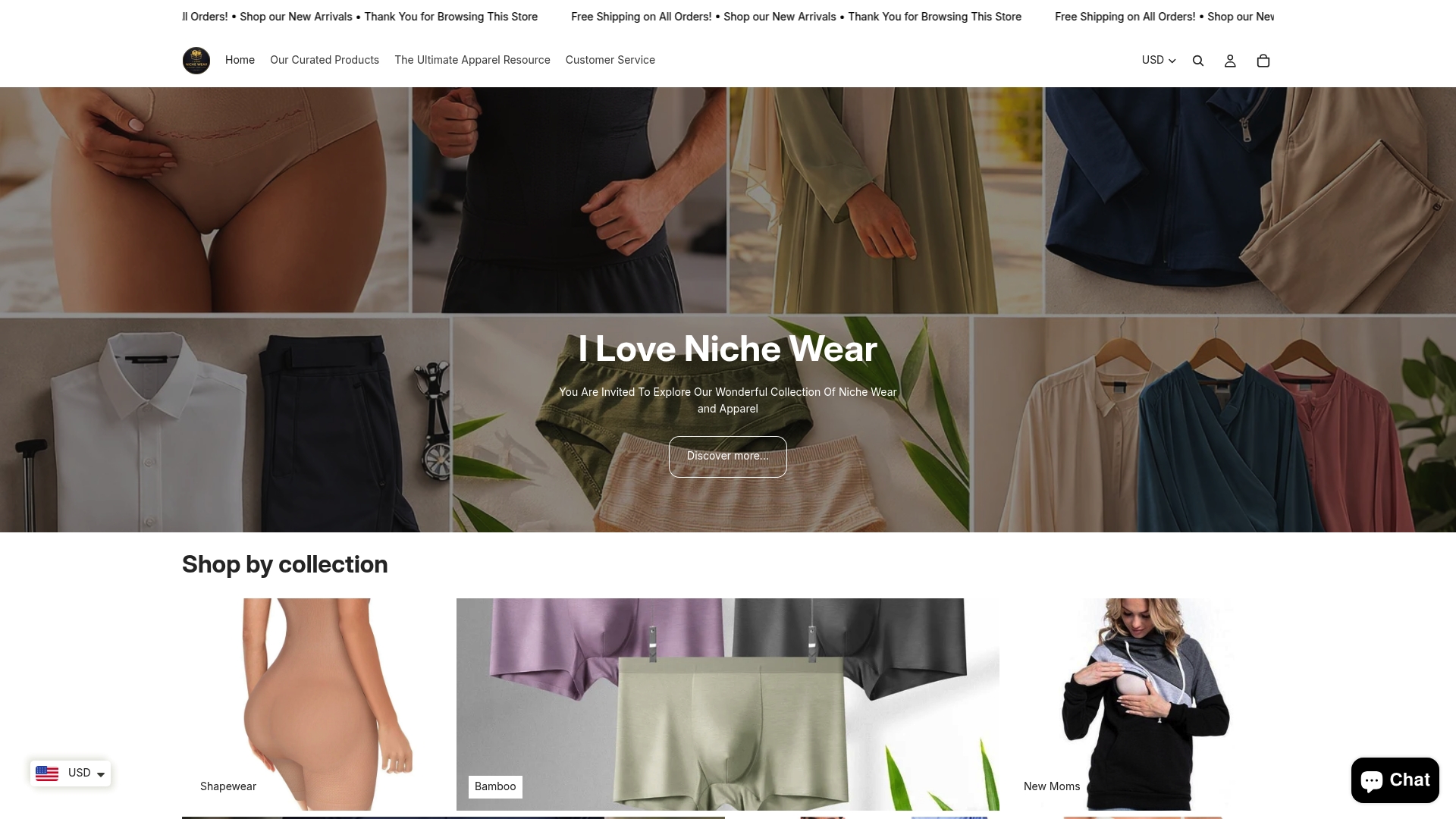
Whether you are a new mother looking for a cozy nursing sweater that makes nighttime feeds easier, or a caregiver searching for garments that simplify daily dressing routines, Ilovenichewear has options designed with real comfort in mind. Every piece ships free, and the collection covers everything from casual adaptive tops to nursing-friendly shapewear. Browse the full adaptive nursing collection and find the fit that works for your life.
FAQ
What is adaptive nursing wear in simple terms?
Adaptive nursing wear is clothing designed with special features like magnetic closures, easy-access openings, and soft fabrics to make breastfeeding, medical access, and assisted dressing easier and more comfortable.
Are magnetic closures better than Velcro in adaptive nursing clothing?
Magnetic closures are the better choice for daily use because they require no grip strength and hold up through repeated machine washing, while Velcro loses grip over time and collects lint.
Can adaptive nursing wear accommodate medical devices like PICC lines?
Yes. Many adaptive nursing garments include openings or panels specifically positioned to allow access to PICC lines, drainage bulbs, insulin pumps, and other medical devices without requiring full garment removal.
Who should wear adaptive nursing apparel besides breastfeeding mothers?
Adaptive clothing benefits postoperative patients, people with chronic conditions like arthritis or Parkinson’s disease, individuals with sensory sensitivities, and anyone whose caregiver needs faster, easier dressing access.
How do I know if adaptive nursing wear will fit over a breast pump?
Check the garment’s opening position and size before buying. Front-open and side-zip designs offer the most flexibility for breast pump flanges and other devices. Sizing up one size also helps if you use a hands-free pumping bra underneath.