
You grab your usual size in shapewear, squeeze it on, and immediately wonder if someone mislabeled the tag. Sound familiar? The question of why shapewear sizing runs small trips up even experienced shoppers, and the answer goes much deeper than a labeling error. This article breaks down the real reasons shapewear fits differently than your regular clothes, from the way it’s engineered to the fabric science behind that firm squeeze. Once you understand what’s actually happening, choosing the right size gets a whole lot easier.
Table of Contents
- Key takeaways
- Why shapewear sizing runs small: the construction behind the confusion
- How fabric technology makes it feel even smaller
- How to actually measure for the right fit
- When tightness becomes a problem
- Practical steps to avoid fit frustration
- My honest take on the “runs small” problem
- Find your fit at Ilovenichewear
- FAQ
Key takeaways
| Point | Details |
|---|---|
| Multi-panel construction causes size variation | Different body zones in one garment use separate size ranges, so fit varies by area. |
| Elastane recovery makes it feel tighter | High elastane fabrics snap back quickly after stretching, making shapewear feel a size smaller once on. |
| Your regular clothing size won’t apply | Always measure your bust, waist, and hips and cross-check with brand-specific size charts. |
| Tightness and wrong size are not the same | Some compression is by design; extreme discomfort signals you need a different size or compression level. |
| Rolling means incorrect fit, not bad luck | If your shapewear rolls, it’s likely too tight or too loose, not a fabric defect. |
Why shapewear sizing runs small: the construction behind the confusion
Most people assume a size medium is a size medium, no matter what they’re buying. Shapewear simply does not work that way. The reason why shapewear sizing runs small comes down to how these garments are actually built, and once you see it, the confusion makes total sense.
Shapewear is made using multi-panel construction, where different sections of the garment target different body areas. A single bodysuit might use five or six separate panels covering the tummy, waist, hips, thighs, and back. Each of those panels is cut and sized to work within its own zone, which means the label on the tag reflects an averaged or aggregate size across the whole garment. The panel that targets your tummy might fit your waist perfectly while the hip panel feels snug, or vice versa.
This is not a flaw. It’s intentional design. A garment built to smooth your tummy and lift your hips has to apply targeted compression in those areas, and that means the fabric in those zones is deliberately cut smaller than your natural measurements. The compression is the point.
Here’s a quick comparison of how panel types affect the fit you feel:
| Panel zone | Primary function | Fit perception |
|---|---|---|
| Tummy/waist | Flattening and smoothing | Often feels tightest, especially post-meal |
| Hip/butt | Lifting and rounding | May feel snug if hip measurements are larger |
| Thigh | Anti-chafe and smoothing | Can restrict movement if undersized |
| Back | Posture support | Tightness may feel like wrong band size |
| Full body | All-zone compression | Most likely to feel uniformly small overall |
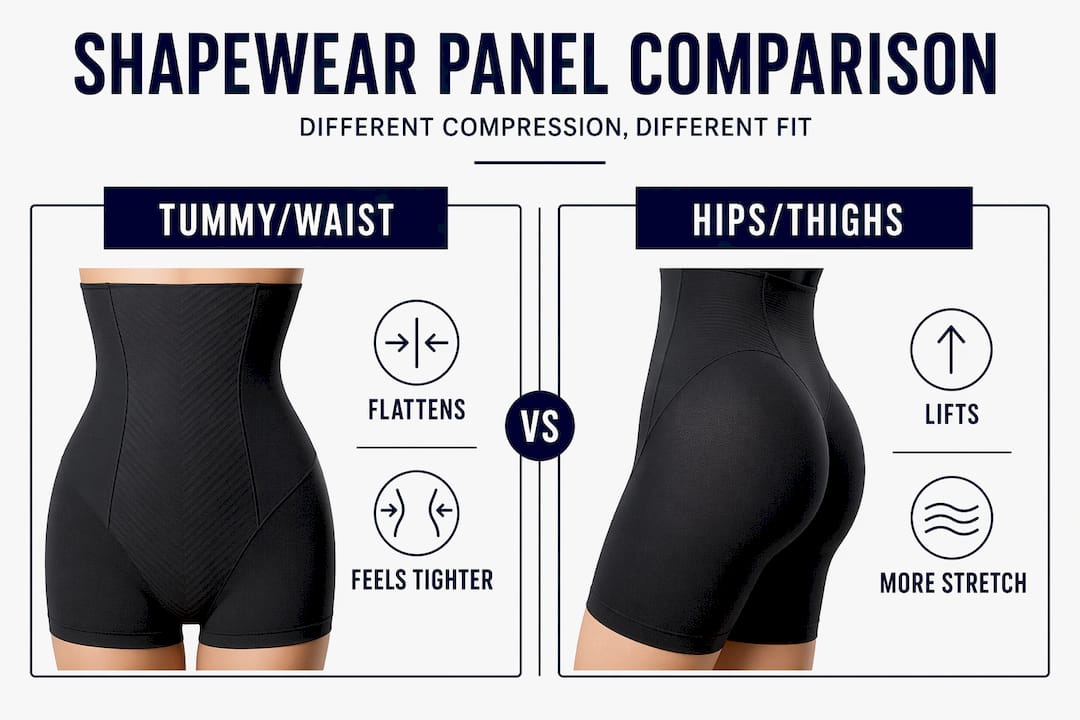
The tricky part is that sizing varies by panel even within the same brand and style. A brand’s “firm compression” tummy panel in a size large might cover the same waist circumference as another brand’s size XL. That’s why shapewear fitting issues are so common, and why shopping by the tag alone sets you up for frustration.
Pro Tip: If one area feels fine but another feels too tight, you’re not between sizes. You may just need a style that prioritizes a different zone. A tummy-focused shaper will fit differently from a hip-focused one, even at the same label size.
How fabric technology makes it feel even smaller
Understanding shapewear sizing explained means you also need to understand what’s happening at the fiber level. This is where things get genuinely surprising.
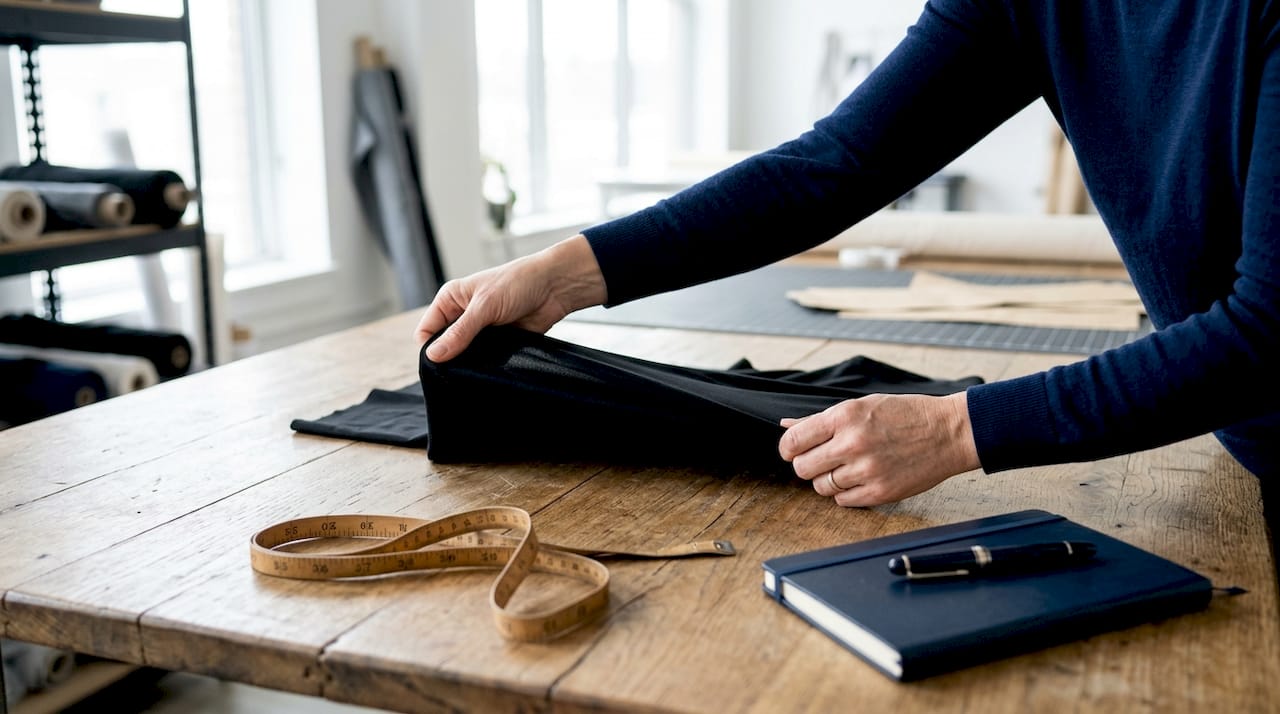
The fabric in most shapewear contains a high percentage of elastane, sometimes around 31% elastane content, blended with nylon or polyester. Elastane is the ingredient that gives shapewear its stretch and its snap-back. Here’s why that matters for fit: when you pull shapewear on, the fabric stretches to accommodate your body. But the moment you let go, the elastane works to recover its original shape. Studies show near-complete elongation recovery of up to 99.96% within just one minute of being stretched.
What that means in plain terms: the garment keeps trying to return to its pre-stretched size, even while you’re wearing it. That’s the persistent pressure you feel. It’s not that the fabric is defective or that the size is wrong. The fabric is doing exactly what compression fabric is designed to do.
Here’s how elastane recovery affects your experience at different stages of wear:
| Stage | What’s happening | What you feel |
|---|---|---|
| First putting it on | Fabric stretches to its maximum | Effort to get dressed, feels very tight |
| Within the first minute | Elastane begins rapid recovery | Compression increases noticeably |
| After 30 minutes | Minimal stress relaxation (about 3.9%) | Garment feels settled but still firm |
| After several hours | Fabric maintains most of its pressure | Fatigue if undersized, comfort if correctly sized |
This high elastane recovery explains why so many shoppers say shapewear feels like it runs a full size smaller than expected. The stretched state during dressing is misleading. Once the garment settles, it pulls back tighter than that initial stretch suggested.
Pro Tip: Try sitting down for two minutes after putting on shapewear before you decide if it fits. Your body and the fabric both need a moment to settle. If breathing is still uncomfortable after that, you need to size up.
How to actually measure for the right fit
Knowing why is shapewear tight is one thing. Knowing how to choose shapewear size accurately is what actually solves the problem. Your regular clothing size is a starting point at best. Most shapewear brands size based on actual body measurements, not the abstracted sizing that apparel brands use.
Here’s how to measure correctly:
- Bust: Measure around the fullest part of your chest, keeping the tape parallel to the floor. Do not pull it tight. This matters most for bodysuits and full-body shapers.
- Natural waist: Measure around the narrowest part of your torso, usually an inch or two above your navel. This is the number most waist-cinching shapewear is calibrated to.
- Hips: Measure around the fullest part of your hips and seat, usually about 7 to 9 inches below your natural waist. This is critical for shorts and high-waist styles.
- Thighs: Measure around the widest part of your upper thigh if you’re buying thigh-shaping or anti-chafe styles.
Once you have your numbers, use the brand’s specific size chart rather than assuming your usual size translates. Proper shapewear measurements can reveal that you’re actually a different size in shapewear than in any other garment you own, and that’s completely normal.
After you try it on, run through these fit tests before deciding it’s a keeper:
- Sit down fully. You should be able to breathe easily without the waistband digging in.
- Bend forward. The fabric should follow your movement, not cut in at the hips or back.
- Walk a few steps. No rolling, bunching, or sliding.
- Check for overflow. Fabric that cuts into skin at the edges means you need a larger size or a style with softer edges.
Expert Tina Zimmerman of Good Housekeeping puts it simply: shapewear should fit like your own skin, allowing you to bend and breathe without restriction. If it doesn’t pass those basic tests, the size is wrong, not your body.
When tightness becomes a problem
There’s a real difference between the firm compression shapewear is supposed to deliver and tightness that signals a sizing error or health risk. Knowing the difference protects your comfort and your wellbeing.
A correctly fitting shapewear piece will feel snug but not painful. You should be able to take a full breath, shift positions, and wear it for several hours without significant discomfort. The postpartum recovery styles with gentle compression are a good example of how shapewear can feel supportive without feeling punishing.
Watch for these signs that your shapewear is too tight:
- Numbness or tingling in your legs or torso
- Difficulty taking a deep breath while standing still
- Visible skin rolling over the top or leg edges of the garment
- Stomach discomfort or bloating that worsens during wear
Health experts and consumer reviewers consistently flag that shapewear that is too tight can cause GI and breathing problems, and people with existing digestive issues or respiratory conditions should be especially careful. This is not about discouraging shapewear. It’s about wearing the right size.
Rolling is its own category of shapewear fitting issues. Shapewear rolls when the fit is wrong, whether too tight or too loose. Silicone grip bands along the edges help, but they can’t fix a sizing mismatch. If rolling keeps happening, re-examine your measurements before blaming the garment.
Practical steps to avoid fit frustration
Getting shapewear sizing right the first time is completely possible once you stop guessing and start using a reliable process. Here’s a numbered approach that works:
- Measure before you shop. Take bust, waist, hip, and thigh measurements with a soft tape measure. Write them down. Use them every time, even for brands you’ve bought from before.
- Match your measurements to brand charts. Every brand calibrates differently. A size medium at one brand might match a large at another. The chart is the only truth.
- Choose your style by target zone. Pick shapewear designed for the body area you want to focus on. A tummy-control brief won’t behave the same as a full-body suit, even in the same size.
- Prioritize your compression level honestly. Light, medium, and firm compression feel dramatically different. If you want all-day wear, light to medium is usually more comfortable and sustainable.
- Look for silicone grip edges. These prevent rolling and reduce the chance you’ll fight the garment all day.
- Read reviews from people with similar measurements. Crowd-sourced fit feedback is one of the most reliable tools in your shapewear size guide research.
- Size up when in doubt. Slightly less compression is always more wearable than a garment you want to remove within an hour.
My honest take on the “runs small” problem
I’ve spent a lot of time thinking about why the “runs small” complaint comes up so often with shapewear, and I genuinely believe most of it comes from a mismatch between shopper expectations and garment engineering, not from brands mislabeling their products.
When someone buys a dress in a size 10 and it fits, they expect a size 10 shapewear piece to do the same. But shapewear is closer to a medical compression garment than a dress. The construction, the fabric science, and the pressure management are all completely different. Telling customers to “buy your usual size” without explaining that the usual size means your measurement, not your apparel size, sets them up for a frustrating experience.
What I think brands need to do better is explain compression levels and multi-panel sizing in plain language before the customer buys. A size chart that includes “this style runs approximately one size smaller than standard due to firm compression” would prevent more returns than any return policy ever could.
The tension between effective shaping and comfortable wear is real and inherent to shapewear design. But understanding it changes everything. When you know why the tightness is there and what it’s doing, it stops feeling like a flaw and starts feeling like the feature it actually is. The customers who love their shapewear are almost always the ones who sized correctly by measurement, not by assumption.
— I
Find your fit at Ilovenichewear
Ilovenichewear takes the guesswork out of shapewear shopping. The shapewear collection covers a range of compression levels and styles, from gentle everyday smoothing to firm support for special occasions. Every product page includes detailed sizing guidance so you can match your measurements to the right fit with confidence. Whether you’re looking for a men’s compression vest with all-day comfort or a women’s style with silicone grip edges to keep everything in place, you’ll find options built for real bodies and real wear. Shop the full collection at Ilovenichewear and get shapewear that actually feels good to wear.
FAQ
Why does shapewear feel a size smaller than my clothing size?
Shapewear uses high-elastane compression fabric that snaps back quickly after stretching, making it feel tighter than the stretched state during dressing suggests. Multi-panel construction also means the garment is intentionally cut smaller in targeted zones.
Should I size up when buying shapewear?
If you’re between sizes on a brand’s chart, sizing up is almost always the right call. Shapewear that is slightly less compressive is far more comfortable to wear all day, and it’s less likely to roll or dig in.
How do I know if my shapewear is too tight?
Signs your shapewear is too small include difficulty breathing, numbness, skin rolling over the edges, and stomach discomfort. Shapewear should fit like skin, allowing full movement and breathing without pain.
Why does my shapewear keep rolling down?
Rolling usually means the fit is off, either too tight or too loose. Look for styles with silicone grip bands and re-check your measurements against the brand’s size chart.
Does shapewear permanently change your measurements?
No. Shapewear compresses and redistributes soft tissue while you wear it but does not permanently alter your body measurements after removal.