
You spent good money on that bodysuit or shaper shorts, and a few months later, they’re already sagging, stretched out, or losing their hold. Sound familiar? This shapewear storage and longevity guide is here to fix that. The truth is, most shapewear doesn’t wear out from use alone. It wears out from being washed wrong, dried in the heat, or tossed in a drawer without a second thought. A few simple habits can keep your pieces feeling supportive and looking great for a whole lot longer.
Table of Contents
- Key takeaways
- What your shapewear is actually made of
- How to clean shapewear before storing it
- Best storage methods for keeping shapewear in shape
- Common mistakes that shorten shapewear lifespan
- How to tell when shapewear needs replacing
- My honest take on shapewear storage
- Explore quality shapewear worth caring for
- FAQ
Key takeaways
| Point | Details |
|---|---|
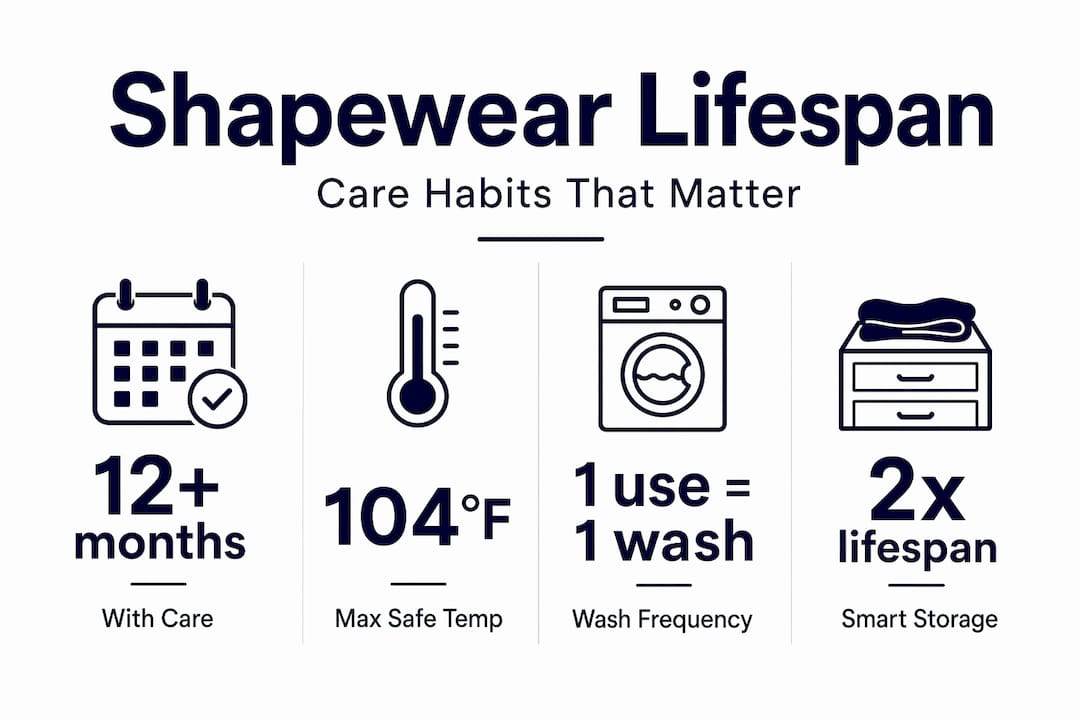
| Heat is the biggest enemy | Spandex fibers break down permanently in heat above 104°F, so always wash and dry cool. |
| Clean before you store | Storing sweaty or damp shapewear causes fiber damage and odor that shortens its lifespan. |
| Flat storage beats hanging | Laying shapewear flat prevents gravity from stretching out elastic fibers over time. |
| Avoid heavy compression | Stacking heavy items on top of shapewear crushes its elastic memory and deforms the fabric. |
| Good care extends lifespan | Proper storage can stretch shapewear life from a few months to well over a year. |
What your shapewear is actually made of
Before you store anything, it helps to understand what you’re working with. Most shapewear is built on a foundation of spandex or elastane, often blended with nylon or polyester. These fibers are what give shapewear its stretch, compression, and shape recovery. They’re also surprisingly sensitive to a few specific conditions.
Here’s what affects elastic fibers most:
- Heat: Spandex loses elasticity permanently when exposed to temperatures above 104°F/40°C. That includes hot dryers, sunny windowsills, and even very warm wash cycles.
- Harsh chemicals: Bleach and aggressive detergents break down the molecular structure of elastane, leaving fibers brittle and weak.
- Friction and mechanical stress: Rough machine cycles and abrasive surfaces wear down the knit structure over time.
- UV exposure: Direct sunlight accelerates fiber degradation, causing fabrics to become brittle and fade faster than you’d expect.
Always check the care label before washing or storing a new piece. Fabric blends vary, and some shapewear includes cotton panels, mesh inserts, or silicone grips that each need slightly different treatment. The label is your starting point, not a suggestion.
How often you wear your shapewear matters too. A piece worn daily faces more fiber stress than one worn occasionally. That means daily-use items need more consistent care to hold up well.
How to clean shapewear before storing it
This step is non-negotiable. Washing shapewear promptly after use prevents sweat and body oils from breaking down fiber bonds and causing odors that don’t wash out later. Never store shapewear that’s been worn without washing it first.
Here’s a step-by-step process that protects your garments:
- Pre-soak in cool water. Fill a basin with cool or room temperature water. Submerge the shapewear and let it soak for five to ten minutes before washing. This loosens sweat and oils without stressing the fibers.
- Fasten all closures. Zip up zippers and hook any clasps before washing. Unfastened closures can snag and tear the knit structure during agitation, which creates small holes that grow over time.
- Choose your wash method. Hand washing in cool water with a gentle, pH-neutral detergent is the safest option. If you machine wash, use a mesh laundry bag, select the delicate cycle, and keep the water temperature cold.
- Skip the harsh stuff. Avoid bleach, fabric softeners, and dryer sheets entirely. Dryer sheet residue impairs fiber performance and reduces moisture-wicking properties over time.
- Rinse thoroughly. Leftover detergent residue can weaken fibers with repeated washing. Rinse until the water runs clear.
- Dry flat, not hanging. Lay your shapewear flat on a clean, dry towel or a drying rack. Hanging wet spandex causes downward force that deforms elastane fibers in ways that can’t be reversed. Keep it out of direct sunlight and away from any heat source.
Pro Tip: Never wring or twist shapewear to remove water. Press it gently between two clean towels to absorb moisture, then lay it flat. Twisting stresses the elastic yarns and shortens the garment’s life noticeably.
The drying step is where most people go wrong. Tossing shapewear in the dryer feels convenient, but high dryer temperatures cause molecular breakdown in spandex that no amount of careful storage can undo. Flat drying takes a little patience, but it’s worth it every single time.
Best storage methods for keeping shapewear in shape
Once your shapewear is clean and fully dry, how you store it determines how long it holds its compression and structure. There’s no single perfect method for everyone, so here’s a comparison of the most common approaches.

| Storage method | Best for | Watch out for |
|---|---|---|
| Flat folding in a drawer | Everyday pieces, frequent use | Overpacking the drawer crushes garments |
| Padded hanger | Bras with built-in shaping | Regular hangers stretch shoulder straps |
| Mesh storage bin | Organizing multiple pieces | Doesn’t protect from dust or light |
| Vacuum-sealed bag | Long-term or seasonal storage | Tight compression may deform fabric if sealed too long |
| Dedicated drawer divider | Collections of different styles | Requires some initial setup |
For most people, flat folding is the most practical and garment-friendly option. Fold garments neatly and avoid stacking heavy items on top. Compression from heavy clothes sitting on your shapewear slowly crushes the elastic memory out of the fabric.
A few more storage habits worth building:
- Store shapewear in a cool, dry place. Heat and humidity both accelerate fiber breakdown even when the garment isn’t being worn.
- Keep pieces away from direct sunlight. A closed drawer or an opaque bin works perfectly.
- Give each piece a little breathing room. Overpacking a drawer means everything gets crushed and wrinkled, and elastic fibers don’t recover well from long-term compression.
- Avoid storing shapewear near rough surfaces or items with metal hardware that could snag the fabric.
Pro Tip: If you use vacuum-sealed bags for seasonal storage, don’t leave shapewear compressed for more than a couple of months. Seal loosely and check periodically to make sure the fabric isn’t being deformed.
Common mistakes that shorten shapewear lifespan
Even with the best intentions, a few habits quietly destroy shapewear over time. Here are the ones that come up most often.
Storing while damp or dirty. This is the most common mistake. Moisture trapped in fabric creates the perfect environment for bacteria and mildew, which eat away at fibers and create odors that become permanent. Always make sure shapewear is completely dry before folding and putting it away.
Using regular wire or plastic hangers. Standard hangers concentrate all the garment’s weight on two narrow points. For shapewear with straps or bra-style tops, this creates stretching at the shoulder area that won’t bounce back. If you hang shapewear at all, use padded or wide-shouldered hangers.
Ignoring the care tag. Manufacturer labels exist for a reason. Some blends include materials that need even cooler wash temperatures or specific detergents. Skipping the label means guessing, and guessing usually costs you a garment sooner than expected.
Overpacking storage spaces. Cramming too many pieces into a single drawer or bin means everything is under constant compression. Over weeks and months, that pressure flattens the elastic structure and reduces the garment’s ability to spring back into shape.
Leaving shapewear in direct sunlight. A sunny shelf or a spot near a window might seem harmless for a few days. But UV exposure adds up fast, and once fibers become brittle from photochemical degradation, there’s no reversing it.
How to tell when shapewear needs replacing
Even with perfect care, shapewear doesn’t last forever. Knowing when to replace a piece saves you from wearing something that’s no longer doing its job.
Here’s how to check your shapewear’s condition:
- The stretch test. Pull the fabric gently and release. Healthy shapewear snaps back immediately. If it stays stretched or returns slowly, the elastic fibers have lost their recovery ability.
- The visual check. Look for pilling, thinning fabric, visible holes, or areas where the knit structure looks uneven. These are signs of fiber breakdown.
- The fit test. Put it on and move around. If it rolls down, bunches, or fails to hold its shape after a few minutes of wear, it’s no longer providing the compression it was designed to deliver.
- The smell test. Persistent odor even after washing means bacteria have embedded themselves in the fiber structure. At that point, no amount of washing will fully fix it.
Proper storage can extend shapewear lifespan from a few months under frequent use to well over a year with careful care. If you’ve been following good habits and a piece still shows these signs, it’s simply done its job and it’s time for a fresh one.
Pro Tip: Keep a small note or use your phone to track when you bought each piece of shapewear. Knowing the age of a garment helps you set realistic expectations and plan replacements before you actually need them.
My honest take on shapewear storage
I’ve noticed something over the years. When shapewear stops working, most people blame the brand or the price point. Rarely does anyone look at how the garment was stored. But in my experience, storage is where most shapewear goes wrong, quietly and gradually, until one day you put it on and realize it’s just not doing anything anymore.
The small stuff adds up faster than you think. Tossing a piece into a warm dryer once or twice. Leaving it damp in a gym bag for a few hours. Piling heavy jeans on top of it in a crowded drawer. None of these feel like big deals in the moment. But elastic fibers have a memory, and every shortcut you take chips away at it.
What I’ve found actually works is treating shapewear storage as a five-minute routine rather than an afterthought. Wash it right away, dry it flat, fold it neatly, and give it its own space. That’s genuinely it. The pieces I’ve seen cared for this way outlast carelessly stored ones by months, sometimes longer.
The investment you make in quality shapewear deserves a matching investment in how you treat it. Storage isn’t glamorous, but it’s the difference between a piece that lasts and one that disappoints.
— I
Explore quality shapewear worth caring for
If you’re going to put these storage habits into practice, it makes sense to start with shapewear that’s actually worth the effort. At Ilovenichewear, you’ll find a collection of comfortable, supportive pieces designed for real everyday wear.

From the Smooth & Sculpt Postpartum Shapewear that feels gentle and supportive all day long, to the Gentle Tummy Support Recovery Shorts built for comfort and recovery, every piece is made to hold up beautifully when you care for it right. Browse the full shapewear collection at Ilovenichewear and find your next favorite piece. Free shipping on all orders!
FAQ
How should I store shapewear to keep it from losing shape?
Fold shapewear neatly and store it flat in a cool, dry drawer away from direct sunlight. Avoid stacking heavy items on top, as constant compression damages elastic memory over time.
Can I hang shapewear in my closet?
Hanging is fine for structured pieces if you use padded or wide-shouldered hangers. Standard wire hangers concentrate weight on narrow points and stretch straps and shoulder areas irreversibly.
How often should I wash shapewear before storing it?
Wash shapewear after every single use. Sweat and body oils break down fiber bonds quickly, and storing a worn piece without washing it leads to permanent odors and faster fabric degradation.
Does the dryer really damage shapewear that much?
Yes. Spandex fibers lose elasticity permanently at temperatures above 104°F, and most dryers run far hotter than that. Always air-dry shapewear flat to preserve its stretch and compression.
How long does shapewear last with proper care?
With consistent care, shapewear can last well over a year even with frequent use. Without it, the same piece may lose its shape and support within just a few months.