
What are the best examples of hemp clothing for everyday wear?
The strongest examples of hemp clothing everyday wear come from brands that have spent years refining the fabric for real daily use: Jungmaven t-shirts, prAna joggers, Levi’s WellThread denim, and Patagonia’s Iron Forge Hemp Collection. These are not novelty pieces. They are versatile hemp apparel worn as t-shirts, pants, button-up shirts, hoodies, and outerwear by people who want their wardrobe to feel good and do less damage to the planet.
Hemp clothing has gone from niche to genuinely wearable, and the brands below prove it. Here is a quick look at the top options across product types, material compositions, and price points.
| Brand | Product Type | Material | Sustainability Credentials | Best For |
|---|---|---|---|---|
| Jungmaven | T-shirts, sweatshirts, pants | 100% hemp or hemp-cotton blends | No pesticides, no GMO seeds, hemp advocacy since the 1990s | Sustainable everyday casual wear |
| Patagonia (Iron Forge Hemp) | Shirts, pants, outerwear | Hemp-cotton blends | Fair Trade certified, repair program | Active consumers, rugged daily wear |
| Levi’s (WellThread) | Denim jeans | Cottonized hemp-cotton blend | Reduced water use, greener denim process | Denim lovers wanting an eco upgrade |
| Royal Robbins | T-shirts, hoodies, essentials | Hemp-cotton blends | Bluesign certified fabrics | Outdoor enthusiasts, eco-friendly basics |
| Toad&Co | Tees, hoodies, casual tops | Hemp-cotton blends | Climate Neutral certified | Stylish, functional everyday hemp wear |
| prAna | Cardiff shirt, Lenny Overshirt, Kickin It Jogger, Vaha Short | Hemp-cotton blends | Fair Trade, recycled packaging | Versatile casual and active wear |
| MUD Jeans | Denim jeans | Hemp-cotton blend | Circular economy model, lease-a-jeans program | Eco-conscious denim buyers |
| AG (The Jean of Tomorrow) | Premium denim | Hemp-cotton blend | Reduced water and chemical use | High-end sustainable denim |
| Hemp Blue | Casual tops, everyday basics | Hemp-focused blends | Natural fiber sourcing | Casual wearers wanting soft hemp basics |
| Afends | Streetwear, casual tops, pants | Hemp and organic cotton | B Corp certified | Urban style, sustainable streetwear |
| THTC (The Hemp Trading Company) | T-shirts, basics | 100% hemp | Fair trade, ethically manufactured | Pure hemp with fair trade assurance |
| Tentree | T-shirts, sweat sets, dresses, jackets | Hemp, Tencel, organic cotton | 10 trees planted per item purchased | Eco-conscious loungewear and lifestyle wear |
| Mara Hoffman | Dresses, tops, fashion pieces | Hemp blends | Sustainable sourcing, ethical production | Style-driven sustainable fashion |
Standout picks by category:
- Best t-shirt: Jungmaven, founded in the 1990s by Robert Jungmann, makes hemp tees that soften with every wash without losing their shape.
- Best pants/joggers: prAna’s Kickin It Jogger blends hemp with cotton for a relaxed fit that works from a morning walk to an afternoon errand run.
- Best denim: Levi’s WellThread cottonized hemp denim looks and feels like classic denim but uses significantly less water in production.
- Best outerwear: Patagonia’s Iron Forge Hemp Collection brings outdoor-grade durability to hemp fabric, built for people who actually use their clothes hard.
- Best streetwear: Afends, B Corp certified, brings a cool urban edge to hemp without sacrificing the sustainability credentials.
- Best for pure hemp: THTC uses 100% hemp with fair trade manufacturing, making it the go-to for anyone who wants no blends, no shortcuts.
Tentree, committed to planting multiple trees per item purchased with millions planted to date, is one of the most environmentally active brands on this list. Mara Hoffman rounds out the group for anyone who wants high-fashion silhouettes without compromising on eco-conscious materials.
Why is hemp fabric so good for everyday practical wear?

Hemp earns its place in a daily wardrobe because of what the fiber actually does, not just what it avoids. It is one of the most durable natural fibers available, requiring no pesticides, synthetic fertilizers, or GMO seeds to grow. That durability is not just a marketing claim. Hemp fibers are long and strong, which means garments hold their structure through repeated washing and heavy use.
The fabric’s hollow fiber structure gives it natural breathability and quick-drying properties without any synthetic treatment. Air circulates freely through the weave, which keeps you cooler in warm weather than most cotton alternatives. This same structure also wicks moisture away from the skin efficiently, making hemp a practical choice for warm days, travel, and active use.
Hemp’s antimicrobial properties are a genuine bonus for daily wear. The fiber naturally resists odor-causing bacteria, which means you can wear a hemp tee longer between washes. If you care about anti-odor clothing for travel or everyday use, hemp delivers that benefit without chemical finishes.
Top benefits at a glance:
- Highly durable: hemp fibers outlast cotton in long-term wear tests
- Naturally breathable thanks to hollow fiber construction
- Quick-drying without synthetic coatings
- Antimicrobial, reducing odor between washes
- Grown with minimal water and no pesticides
- Biodegradable at end of life
Pro Tip: If breathability is your top priority, look for hemp styles with a looser weave or a lighter fabric weight. Heavier hemp canvas is great for outerwear and bags, but for summer shirts and tees, a lighter hemp-cotton blend will keep you the most comfortable.
Hemp also softens with wear and washing, which is the opposite of what most people expect. A Jungmaven tee or a MUJI hemp-cotton button-up feels noticeably softer after a season of regular use, not rougher. That natural evolution is one of the qualities that makes hemp apparel for daily use a genuinely satisfying long-term investment.
How do you choose hemp clothing for everyday wear?
Choosing hemp clothing for daily use comes down to three practical decisions: fabric composition, fit for your lifestyle, and care habits. Get those right and you will end up with pieces you reach for constantly.
Fabric blend or 100% hemp?
Pure hemp, like what THTC offers, is the most sustainable option and the most durable. It can feel slightly stiffer at first, especially in heavier weights. Hemp-cotton blends, such as the 53% hemp, 47% cotton ratio used in MUJI’s spring shirts, soften the texture immediately and make the garment easier to care for. For everyday casual wear, a hemp-cotton blend is usually the most comfortable starting point. For outerwear or workwear where durability matters most, 100% hemp or a high-hemp-content blend is worth the slightly firmer hand feel.
Fit and style for your wardrobe
Hemp clothing works across a wide range of everyday styles. prAna’s Cardiff shirt and Lenny Overshirt are relaxed enough for weekends but polished enough for casual Fridays. Afends streetwear pieces fit naturally into an urban wardrobe. Mara Hoffman’s hemp-blend dresses bring a fashion-forward sensibility that most sustainable brands skip entirely. Think about where you actually wear your clothes most, then match the brand’s aesthetic to that context.
Care tips that protect your investment
Hemp garments last longest when washed gently without bleach or fluorescent whitening agents. Air drying preserves the fiber’s moisture management properties and prevents shrinkage. Machine washing on a cool, gentle cycle is fine for most hemp-cotton blends. Avoid high heat in the dryer, which can break down the fiber over time.
Key selection checklist:
- Choose hemp-cotton blends for immediate softness and easy care
- Choose 100% hemp for maximum durability and sustainability
- Match the brand’s style aesthetic to your actual daily wardrobe
- Check for certifications: Fair Trade, B Corp, Bluesign, or Climate Neutral add credibility
- Budget for quality: hemp clothing costs more upfront but is often more economical over time due to greater durability
Pro Tip: Treat your first hemp purchase as a test piece. Start with a t-shirt or a casual shirt from Jungmaven or Toad&Co before committing to a full outfit. You will quickly get a feel for how hemp fabric moves, softens, and wears on your body.
Hemp clothing is priced as a premium sustainable product, and that pricing reflects real material costs and ethical production. Brands like AG and Mara Hoffman sit at the higher end, while Tentree and Toad&Co offer more accessible price points without cutting corners on sustainability credentials.
Sustainable everyday wear options that complement hemp clothing
Hemp is a great anchor for a sustainable wardrobe, but it works even better alongside other natural fibers. Organic cotton, bamboo, and cotton-linen blends each bring something slightly different to daily wear, and mixing them gives you more flexibility across seasons and occasions.
Bamboo fiber is particularly worth knowing about. It shares hemp’s breathability and antimicrobial qualities, and it tends to feel softer right out of the package. Ilovenichewear carries bamboo fiber underwear designed for all-day comfort, which pairs naturally with hemp outerwear and tops. If you are building a sustainable wardrobe from the inside out, starting with breathable natural-fiber basics makes every outfit more comfortable.
Cotton-linen blends are another strong complement to hemp. Linen shares hemp’s plant-based origin and its breathable, quick-drying character. Ilovenichewear’s cotton linen midi dress is a good example of how natural fiber blends can deliver effortless summer style without relying on synthetics. Worn alongside a hemp overshirt or a hemp-cotton tee, these pieces create a cohesive, breathable wardrobe built entirely from natural materials.
Ilovenichewear specializes in niche apparel that prioritizes breathability, comfort, and thoughtful fabric choices. The collection includes modest styles, adaptive fits, and breathable everyday pieces that align with the same values driving the hemp clothing movement. If you are shopping for sustainable everyday wear and want options beyond the major hemp brands, Ilovenichewear’s curated range is worth exploring.
Sustainable fiber options to consider alongside hemp:
- Organic cotton: softer than conventional cotton, grown without synthetic pesticides
- Bamboo fiber: naturally antimicrobial and breathable, excellent for base layers and underwear
- Cotton-linen blends: lightweight and airy, great for warm-weather dresses and tops
- Tencel (lyocell): made from wood pulp in a closed-loop process, silky and moisture-wicking
Key Takeaways
Hemp clothing is one of the most durable, breathable, and genuinely sustainable choices for everyday wear, with brands like Jungmaven, Tentree, and prAna making it easy to build a practical wardrobe around it.
| Point | Details |
|---|---|
| Top hemp clothing types | T-shirts, pants, denim, shirts, and outerwear are all available from established US-market brands. |
| Best brands to start with | Jungmaven, Toad&Co, and Tentree offer accessible price points with strong sustainability credentials. |
| Fabric blend matters | Hemp-cotton blends soften faster; 100% hemp lasts longer. Choose based on comfort vs. durability priority. |
| Care for longevity | Wash gently without bleach and air dry to preserve hemp’s natural fiber properties and garment shape. |
| Ilovenichewear | Offers breathable, niche sustainable apparel including bamboo and cotton-linen options that complement hemp wardrobes. |
Hemp clothing is worth more than its eco-credentials
The conversation around hemp clothing tends to get stuck on sustainability statistics, and that framing undersells the product. Yes, hemp grows with minimal water and no pesticides. Yes, it biodegrades. Those are real advantages. But the reason people keep wearing hemp is simpler: it feels better over time, not worse.
Most fast fashion fabrics pill, fade, and lose their shape within a season. A well-made hemp tee from Jungmaven or a hemp-cotton shirt from prAna does the opposite. The fiber relaxes and softens with wear, and the garment holds its structure because the underlying fiber is genuinely strong. That is not a sustainability talking point. That is just good clothing.
The brands doing this well, including Afends, Royal Robbins, and Mara Hoffman, are not asking you to sacrifice style for ethics. They are proving that the two can coexist. The hemp clothing category has matured enough that you can build a complete, stylish everyday wardrobe without touching a single synthetic fiber or a fast fashion label.
If you are hesitating because hemp sounds scratchy or stiff, start with a blend. If you are hesitating because of price, think about cost-per-wear over two or three years compared to a $20 cotton tee that loses its shape by summer’s end. The math tends to shift your perspective.
Ilovenichewear has breathable, niche everyday styles worth trying
If you love the idea of a wardrobe built around natural, breathable fabrics but want options beyond the major hemp brands, Ilovenichewear is a great place to look. The collection focuses on niche apparel that prioritizes comfort, breathability, and thoughtful fabric choices, including bamboo fiber basics, cotton-linen dresses, and modest styles designed for real daily wear.
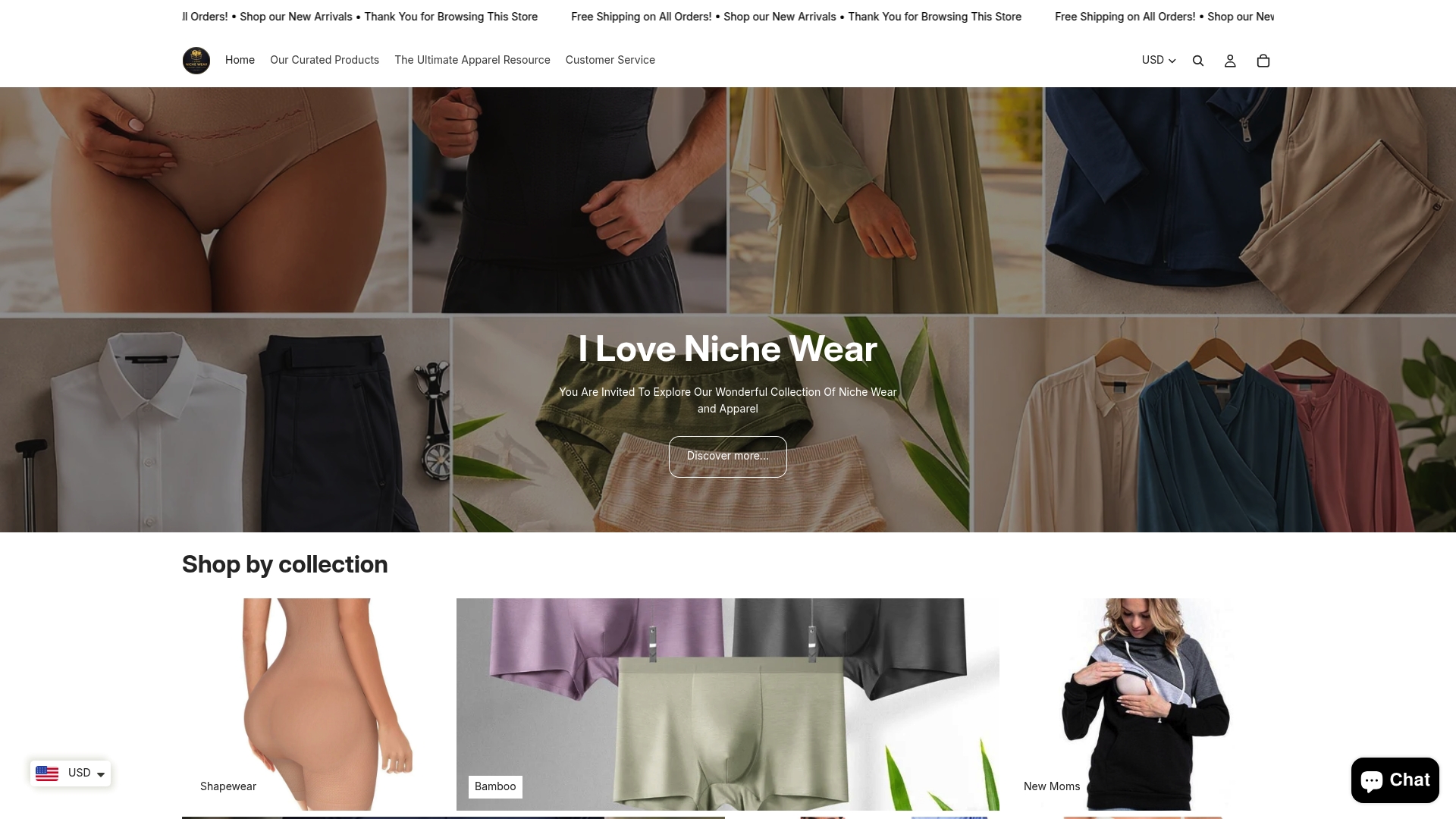
Ilovenichewear curates pieces that share hemp clothing’s best qualities: light, breathable, comfortable, and made to last longer than a single season. Whether you are rounding out a sustainable wardrobe or just starting to move away from synthetics, the Ilovenichewear collection has cozy, practical options that feel as good as they look. Shop now and find your next everyday favorite.