
Postpartum shapewear is defined as a category of compression garments designed specifically to support a new mother’s body during the weeks following childbirth. Unlike regular shapewear, these garments prioritize healing over appearance. They compress and stabilize weakened abdominal muscles, reduce swelling, ease lower back pain, and improve posture during one of the most physically demanding recovery periods of your life. Brands like Momcozy and garments such as belly wraps, abdominal binders, and high-waisted recovery briefs all fall under this category. If you have been wondering what postpartum shapewear does and whether it is right for you, this guide covers everything you need to feel confident in your choice.
How does postpartum shapewear support recovery after childbirth?
Postpartum shapewear works by applying gentle, graduated compression to the abdomen, lower back, and hips. This compression does several things at once: it holds weakened core muscles in place, reduces fluid buildup in soft tissue, and gives your body a stable foundation while it heals.
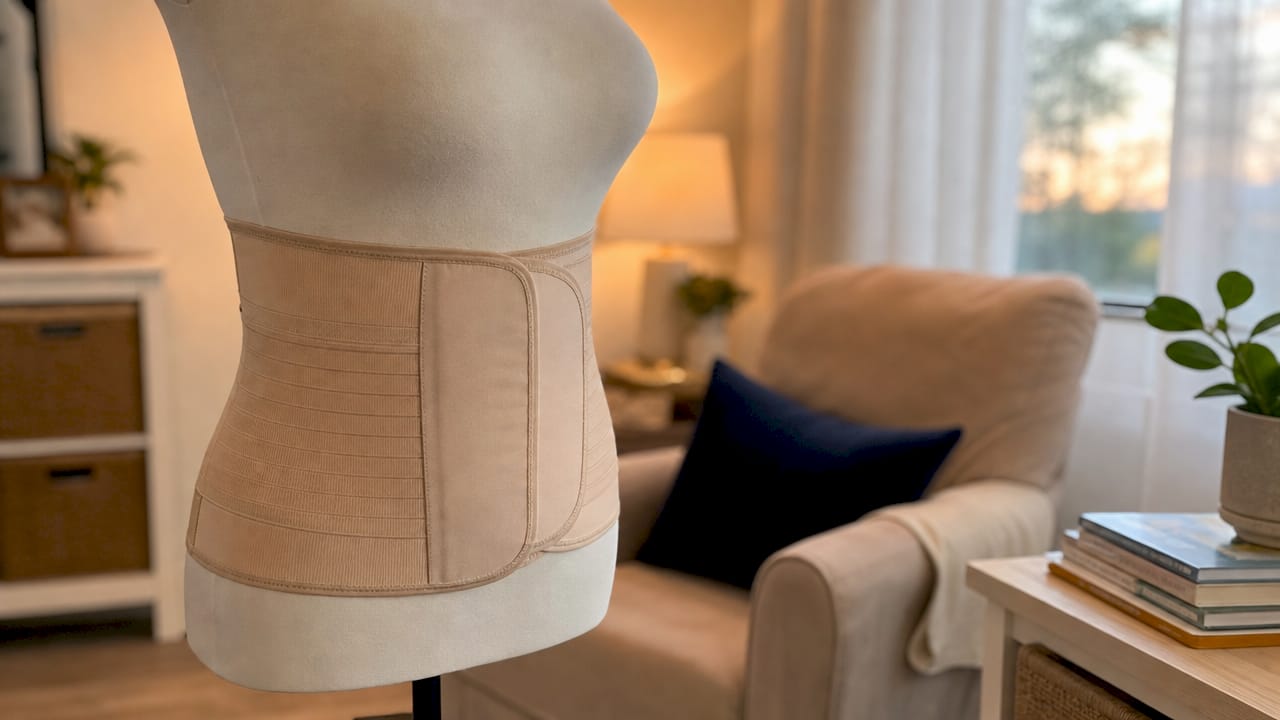
The benefits are especially clear after a C-section. A 2021 research review confirmed that abdominal wraps reduce post-operative pain, assist with mobility, and help manage swelling within the first six weeks after a Cesarean. That is not a small thing when getting up from a chair feels like a workout.
Here is what compression garments specifically help with during early postpartum recovery:
- Abdominal muscle support. Pregnancy stretches and separates the rectus abdominis muscles. Compression holds them closer together while your body begins to knit them back.
- C-section incision comfort. Gentle pressure around the incision site reduces movement-related pain and makes walking and standing more manageable.
- Swelling reduction. Compression limits fluid accumulation in the abdominal area, which is a common source of discomfort in the first two weeks postpartum.
- Posture improvement. Belly wraps encourage better posture and ease back pain, which matters a lot when you are holding and nursing a newborn for hours each day.
Dr. Melissa Dennis, a medical officer who specializes in postpartum care, recommends abdominal binders especially after C-section for pain reduction and improved mobility. She views wrapping after vaginal birth as a personal comfort choice rather than a medical necessity.
Pro Tip: Start with the lightest compression level available and wear the garment for two to three hours at a time before building up. Your body will tell you what feels supportive versus what feels restrictive.
What types of postpartum shapewear are available?
Not all postpartum garments are built the same. The right choice depends on your birth type, your recovery stage, and what you need the garment to do.
| Garment type | Best for | Compression level | Key feature |
|---|---|---|---|
| Abdominal binder | C-section recovery, first 1 to 2 weeks | Firm | Targets incision area, adjustable wrap |
| Belly wrap | Both birth types, early recovery | Moderate to firm | Multiple zones, breathable fabric |
| High-waisted brief | Later recovery, everyday wear | Light to moderate | Smooth fit, easy to wear under clothes |
| Support belt | Lower back pain, active days | Moderate | Lumbar support, flexible movement |
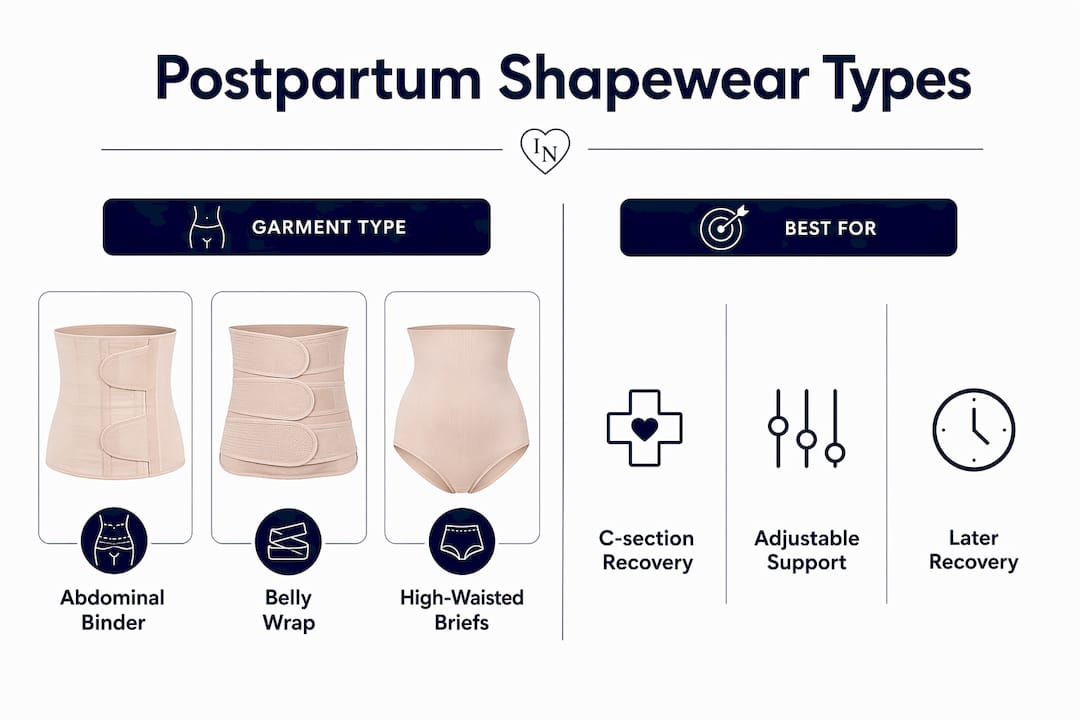
Belly wraps are the most versatile option. They feature customized support zones and adjustable, breathable materials that let you dial in the right level of compression as your body changes week by week.
High-waisted briefs like the postpartum recovery shorts from Ilovenichewear offer a gentler option. They smooth the midsection and provide light abdominal support, making them ideal for the later stages of recovery or for wearing under regular clothes. They are less targeted than binders but far more comfortable for all-day use.
Abdominal binders are the most clinical option. They are often recommended by OBs and midwives immediately after a C-section because they apply firm, focused pressure directly to the surgical area.
A few things to look for when checking your postpartum shapewear options:
- Breathable, moisture-wicking fabric (especially important for summer postpartum recovery)
- Adjustable closures so you can loosen the garment as swelling decreases
- Seamless construction to avoid irritation near sensitive skin or incision sites
- The latest fabric technology in 2026 includes four-way stretch blends that move with your body rather than against it
What does postpartum shapewear do differently than waist trainers?
This is one of the most common points of confusion, and it matters. Postpartum shapewear and waist trainers look similar but work in completely opposite ways.
Waist trainers apply rigid, aggressive compression designed to reshape the waist over time. Postpartum shapewear applies gentle, supportive compression designed to stabilize and protect a healing body. The difference is not cosmetic. It is functional.
Pelvic physical therapist Sara Reardon warns against restrictive waist trainers postpartum because they impair the dynamic movement your core needs to heal. She frames postpartum binding as a healing tool, not a slimming strategy.
Here is why that distinction matters for you:
- Waist trainers compress the diaphragm and restrict breathing, which increases intra-abdominal pressure. That pressure can worsen diastasis recti (abdominal separation) rather than help it.
- Rigid garments prevent your core muscles from engaging naturally, which slows the rehabilitation process.
- Health professionals recommend avoiding rigid waist trainers postpartum specifically because they block the movement essential for healing.
“Postpartum binding should be about healing, not shrinking. The goal is to give your body a gentle hug while it does the hard work of recovery.” — Sara Reardon, pelvic physical therapist
Postpartum shapewear, by contrast, uses flexible compression that moves with you. It supports without immobilizing. You can understand how recovery shapewear differs from restrictive alternatives by looking at the fabric stretch and the compression gradient. If a garment does not stretch when you bend forward, it is not designed for postpartum recovery.
How to safely introduce postpartum shapewear for best results
Timing and fit are the two factors that determine whether postpartum shapewear helps or hinders your recovery. Getting both right is straightforward once you know what to look for.
- Wait for clearance from your provider. Most healthcare providers give the green light to begin wearing light compression garments a few days after a vaginal birth. After a C-section, your provider will advise you based on incision healing, typically within the first week.
- Start with short wear sessions. Postpartum shapewear is often worn starting a few days after birth and up to around 40 days postpartum, depending on individual comfort and healing progress. Begin with two to three hour sessions rather than all-day wear.
- Check the fit every few days. Postpartum swelling decreases quickly in the first two weeks. A garment that fit well on day three may feel too loose by day ten. Adjustable wraps handle this better than fixed-size briefs.
- Remove the garment if you notice numbness, tingling, or increased pain. These are signs the compression is too tight or the garment is positioned incorrectly.
- Combine shapewear with gentle movement. Walking, pelvic floor exercises, and breathing work alongside compression garments. Shapewear is a support tool, not a replacement for active recovery.
- Plan to phase out use gradually. Most experts suggest tapering wear rather than stopping abruptly, especially if the garment has been providing significant back support.
Pro Tip: Wear your postpartum garment over a soft cotton layer if your skin is sensitive near a C-section scar. This reduces friction and keeps the compression effective without irritating healing tissue.
What are the real benefits and limitations of postpartum shapewear?
Postpartum shapewear delivers genuine, research-backed benefits. It also has real limits that are worth knowing before you invest.
What it does well:
- Reduces post-operative pain and improves mobility after C-section, as confirmed by clinical research on abdominal wraps
- Eases lower back pain by providing lumbar support during the weeks when your posture is affected by nursing and carrying
- Gives you a sense of physical stability and confidence during a period when your body feels unfamiliar
- Helps manage swelling in the early postpartum weeks
What it cannot do:
- Replace pelvic floor therapy or core rehabilitation exercises
- Heal diastasis recti on its own
- Substitute for medical treatment if you are experiencing complications
High-waisted briefs offer medium-level support and comfort suitable for later recovery stages, but they have less targeted compression than abdominal binders. Choosing the right garment for the right stage matters more than choosing the most expensive option.
Dr. Dennis cautions against over-reliance on wrapping as a long-term solution. Postpartum shapewear is most effective as a temporary support during early recovery, not as a permanent fixture in your wardrobe. Used correctly, it gives your body the stability it needs while you rebuild strength from the inside out.
Key takeaways
Postpartum shapewear works best as a short-term, physician-approved support tool that reduces pain, stabilizes core muscles, and improves posture during the first six weeks after childbirth.
| Point | Details |
|---|---|
| Core function | Postpartum shapewear provides gentle compression to stabilize muscles and reduce swelling after birth. |
| C-section benefit | Abdominal binders are especially effective for pain relief and mobility in the first six weeks post-Cesarean. |
| Not a waist trainer | Postpartum garments use flexible compression; rigid waist trainers can worsen abdominal separation and slow healing. |
| Safe introduction | Start a few days after birth, wear for short sessions, and always get provider clearance first. |
| Know the limits | Shapewear supports recovery but does not replace pelvic floor therapy or core rehabilitation exercises. |
What I have learned from watching new moms navigate postpartum recovery
The biggest misconception I see is that postpartum shapewear is about getting your body back. It is not. The mothers who get the most out of these garments are the ones who treat them as a recovery tool rather than a cosmetic fix.
The second thing I have noticed is that women often wait too long to try compression support because they associate shapewear with discomfort. Good postpartum garments should feel like a gentle hug, not a squeeze. If it hurts, it is either the wrong size or the wrong garment for your stage of recovery.
Emotional well-being matters here too. Feeling physically supported in the early weeks genuinely affects how you move through the day, how you hold your baby, and how you feel about your body. That is not a small thing. Choosing a garment that is comfortable and fits well is an act of care for yourself, not vanity.
My honest advice: talk to your provider, start light, and listen to your body. The best postpartum garment is the one you actually wear consistently because it feels good.
— I
Find your perfect postpartum support at Ilovenichewear
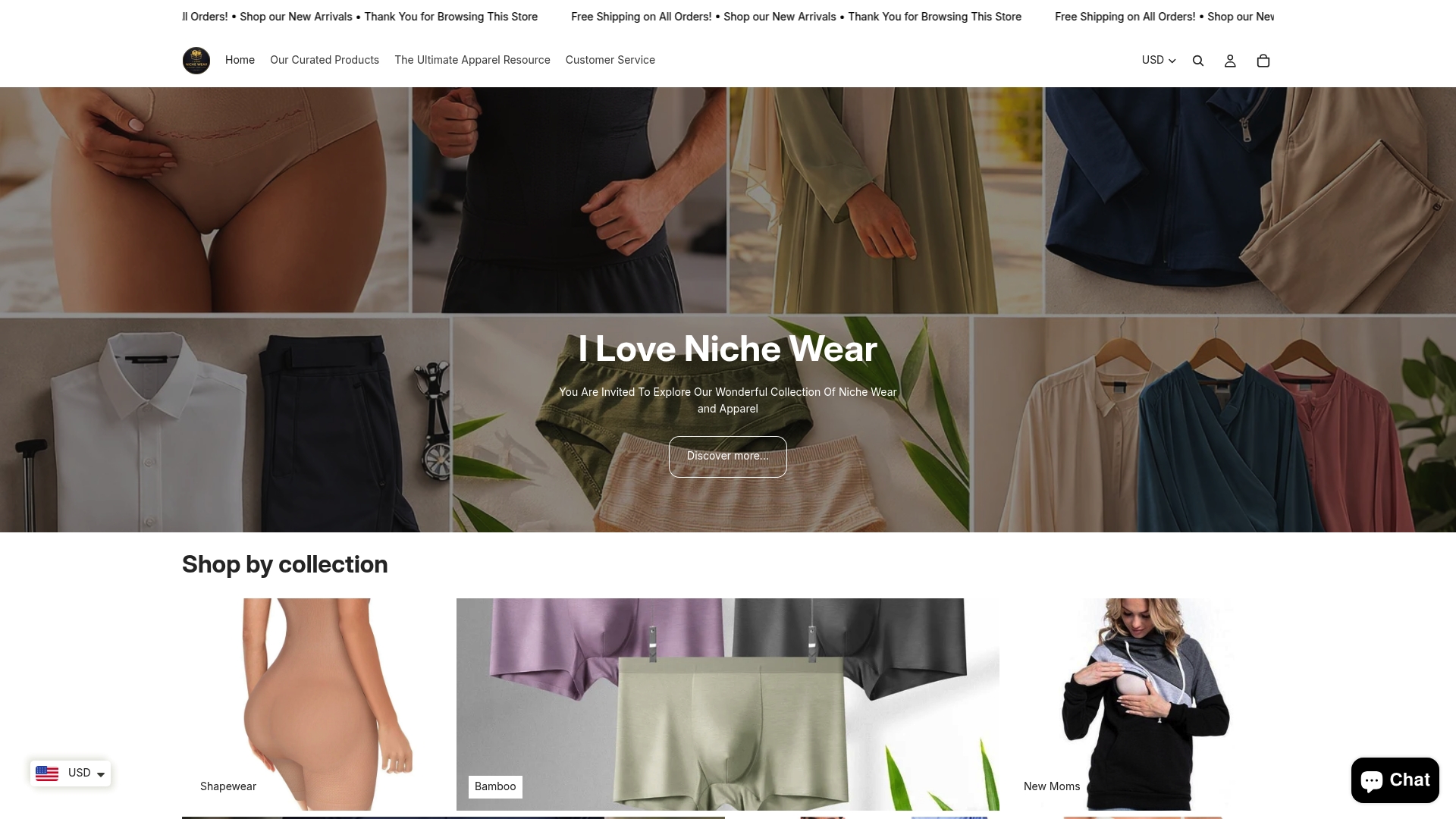
At Ilovenichewear, you will find postpartum shapewear designed with your recovery in mind, not just your silhouette. From the Smooth and Sculpt postpartum bodysuit to seamless high-waisted recovery shorts, every piece uses breathable, four-way stretch fabric that moves with you through every feed, walk, and rest. The adjustable compression means you can wear the same garment from week one through week six as your body changes. Browse the full postpartum collection at Ilovenichewear and find the garment that fits where you are in your recovery right now. Free shipping on all orders.
FAQ
What does postpartum shapewear do for your body?
Postpartum shapewear applies gentle compression to stabilize weakened abdominal muscles, reduce swelling, ease lower back pain, and improve posture during recovery after childbirth. It is designed to support healing rather than reshape the body aggressively.
When can you start wearing postpartum shapewear?
Most new mothers can begin wearing light compression garments a few days after a vaginal birth, while C-section recovery timelines depend on incision healing and provider guidance. Wear is typically recommended for up to around 40 days postpartum.
Is postpartum shapewear safe after a C-section?
Yes, with physician approval. Research confirms that abdominal wraps reduce post-operative pain and improve mobility after C-section, making them one of the most recommended postpartum garments for surgical recovery.
How is postpartum shapewear different from a waist trainer?
Postpartum shapewear uses flexible compression that supports movement and healing, while waist trainers apply rigid pressure that can increase intra-abdominal pressure and worsen conditions like diastasis recti. Pelvic therapists specifically advise against waist trainers in the postpartum period.
Can postpartum shapewear replace physical therapy?
No. Postpartum shapewear is a supportive tool, not a substitute for pelvic floor therapy or core rehabilitation exercises. Experts recommend combining compression garments with active recovery methods for the best long-term results.
Recommended
- Smooth & Sculpt Postpartum Shapewear for Everyday Comfort – I Love Niche Wear
- Gentle Tummy Support Seamless Postpartum Recovery Shorts – I Love Niche Wear
- Shapewear for Different Body Shapes: Your Fit Guide – I Love Niche Wear
- Why High Waist Shapewear Shapes Differently Than You Think – I Love Niche Wear