
Visible shapewear lines are defined as the ridges, edges, or outlines created when shapewear fabric or elastic presses into skin and shows through outer clothing. This avoiding shapewear visible lines guide covers the three factors that matter most: fabric choice, fit accuracy, and smart layering. Get any one of these wrong and even the best shapewear will telegraph itself through your outfit. Get all three right and your silhouette stays smooth, polished, and completely your own.
How to choose shapewear materials and colors to minimize visible lines
The single most effective shapewear line solution starts before you even put anything on. It starts at the point of purchase, with fabric and color.
Fabric construction matters more than brand name. Laser-cut and bonded-edge shapewear eliminate the traditional sewn hem that digs into skin and creates ridges. Instead of a folded, stitched edge, these styles are finished with heat-bonded or precision-cut borders that lie completely flat. The result is that laser-cut edges produce no ridge to press into skin, which means nothing shows through fitted fabrics.
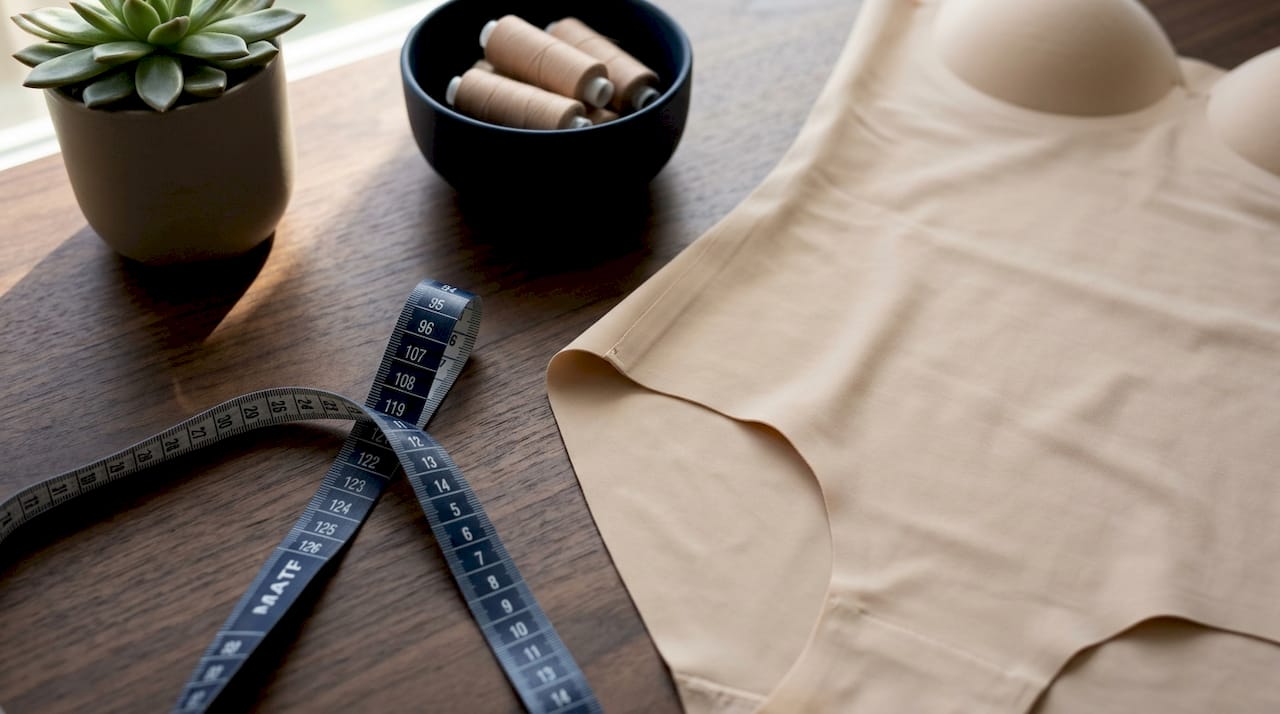
Color matching is the second pillar of invisible shapewear. Skin tone matching works like this: light skin tones pair best with light nude shades, medium skin tones with warm beige, and dark skin tones with rich brown tones. This matters because even a perfectly flat edge becomes visible when there is a stark color contrast between your shapewear and your skin under thin or light-colored fabric.
Here is what to look for when selecting shapewear fabric:
- Seamless knit construction: No seams means no raised lines anywhere along the garment body.
- Nylon-spandex blends: These provide stretch without bulk, and nylon-spandex materials stay smooth against skin even in warm weather.
- Moisture-wicking finishes: Fabrics that pull sweat away from skin prevent the shapewear from bunching or shifting, which is a common cause of mid-day line formation.
- Avoid thick cotton or textured fabrics in shapewear: These add bulk at edges and create more visible transitions under fitted clothing.
Pro Tip: Before buying, hold the shapewear up against the outfit you plan to wear it under. Check the edge thickness and color contrast in natural light. What looks invisible on a hanger can show clearly under a silk dress.
What proper shapewear fit looks like and how to find it
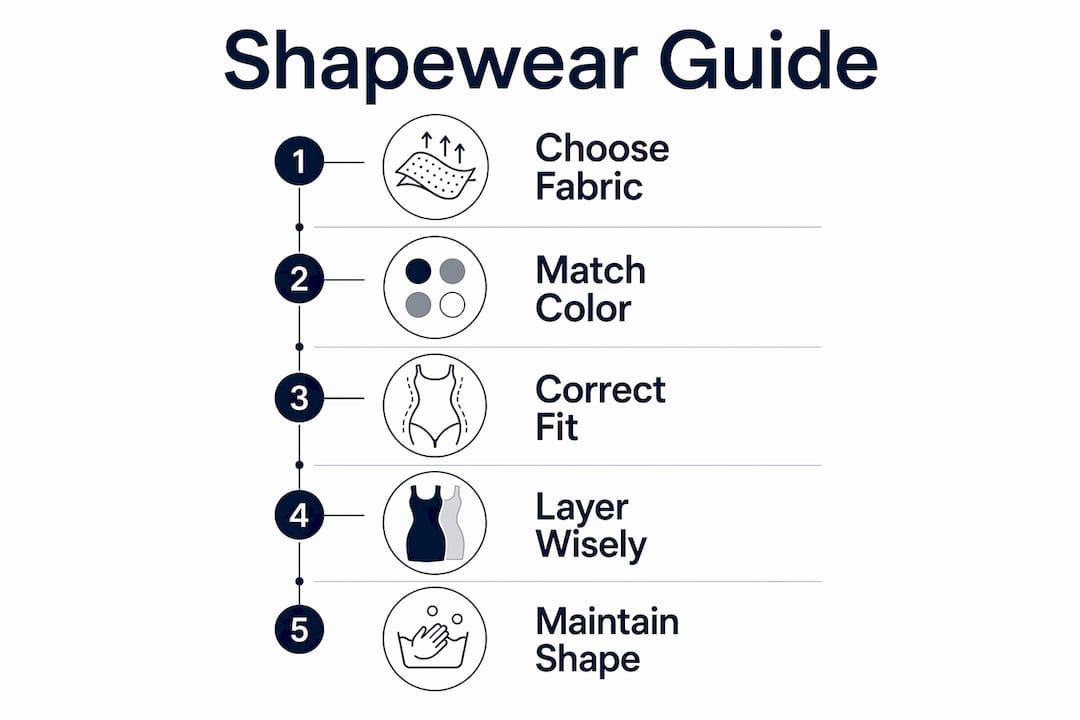
Fit is the most overlooked factor in how to wear shapewear discreetly. Most visible line problems trace back to a sizing error, not a product flaw.
Here is how to find the right fit and avoid the most common sizing mistakes:
- Measure yourself before ordering. Use a soft tape measure around your waist, hips, and thighs. Do not rely on your clothing size. Shapewear sizing charts are based on body measurements, not dress sizes, and the two rarely match exactly.
- Try on with your intended outfit. Put the shapewear on, then put your outfit on top. Walk to a mirror and check the waistband, leg openings, and any side seams for visible ridges.
- Test movement, not just standing still. Sit down, bend forward, and cross your legs. Movement testing reveals whether shapewear rolls, rides up, or digs in at the edges. These are the exact conditions that create lines during real wear.
- Consider sizing up if elastic digs in. Sizing up reduces the pressure elastic places on skin, which directly reduces the ridge that shows through fabric. Tighter is not always better with shapewear.
- Check edge placement against body creases. Even well-made shapewear shows lines if the leg opening or waistband lands directly on a natural body crease. Adjust placement so edges sit above or below those crease points.
Pro Tip: If your shapewear passes the standing test but fails when you sit, that is a fit issue, not a fabric issue. Try the next size up before switching styles entirely.
Incorrect sizing causes lines in two opposite ways: too tight digs in and creates ridges, while too loose bunches and creates lumps. Both show through fitted clothing. The sweet spot is shapewear that compresses smoothly without pulling or puckering at any edge.
How layering and outfit choices help conceal shapewear lines
Even with perfect fabric and fit, some outfits are simply too thin or too clingy to wear over shapewear without a barrier layer. Strategic layering is the shapewear tip for a smooth silhouette that most people skip.
- Add a slip or half-slip between shapewear and dress. A slip layer creates a physical barrier that prevents any edge impression from traveling through to the outer fabric. This works especially well under silk, satin, or jersey dresses.
- Choose thicker or textured outer fabrics when possible. Structured fabrics like ponte, scuba, or heavy crepe naturally camouflage undergarment edges. Thin fabrics like chiffon or fine knit reveal everything underneath.
- Avoid very tight outer clothing over shapewear edges. When outer fabric is stretched tightly over a shapewear edge, it amplifies the ridge rather than hiding it. Opt for a slightly relaxed fit in the areas where shapewear edges land.
- Match shapewear color to your outerwear when fabric is sheer. Under white or light-colored clothing, the color of your shapewear matters as much as the fit. A nude shade close to your skin tone disappears; a contrasting shade creates a shadow outline.
Pro Tip: Coordinate the weight of your shapewear with the weight of your outfit. Lightweight, thin shapewear pairs with lightweight fabrics. Heavier compression pieces work better under structured, thicker garments.
A half-slip is one of the most underused tools in this category. It costs very little, adds no visible bulk, and solves the line problem on virtually any dress or skirt. Keep one in a neutral shade and one in black in your wardrobe.
What to avoid and troubleshoot when shapewear lines still show
Sometimes you do everything right and lines still appear. Here is how to diagnose and fix the most common remaining causes.
- Avoid boyshort-style shapewear under fitted pants. Boyshorts have a defined leg hem that sits mid-thigh, and that hem almost always shows under slim-fit trousers or leggings. Switch to a thong-style or no-hem brief cut for pants.
- Replace worn shapewear promptly. Bonded and laser-cut edges degrade over time. When edges start to curl, peel, or fray, they create a raised ridge that shows through clothing. Worn shapewear is one of the most common causes of sudden line problems in pieces that used to work fine.
- Wash shapewear in a mesh laundry bag and air dry. Proper care preserves bonded edges and prevents the curling and peeling that cause lines. Machine washing without a bag and tumble drying break down bonded edges significantly faster.
- Check whether edges land on body creases. Fit placement is often the real culprit when lines persist despite good fabric and sizing. Shift the shapewear up or down slightly so the edge sits away from natural crease points.
- Consider a micro-lining or tailored barrier as a last resort. For a specific dress or outfit that matters, a tailor can add a thin lining layer inside the garment that blocks any undergarment impression from showing through.
The most persistent shapewear line problems are almost always a fit placement issue, not a product quality issue. Before replacing your shapewear, try adjusting where the edges sit on your body.
You can also check out shapewear storage tips to keep your pieces in shape between wears, which directly affects how well they perform and how long they stay invisible.
Key takeaways
Avoiding visible shapewear lines requires matching fabric construction, color, fit, and layering to your specific outfit and body.
| Point | Details |
|---|---|
| Choose laser-cut or bonded edges | Flat edges eliminate the ridge that presses into skin and shows through fabric. |
| Match color to your skin tone | Light nude, warm beige, or rich brown tones prevent color contrast from creating visible outlines. |
| Size up if elastic digs in | Looser elastic reduces skin ridges and is more effective than switching shapewear styles. |
| Layer with a slip under thin fabrics | A half-slip creates a physical barrier that blocks edge impressions from traveling through to outer clothing. |
| Wash in a mesh bag and air dry | Proper care preserves bonded edges and extends the life of invisible shapewear significantly. |
What I’ve learned about shapewear lines after years of styling
Here is the honest truth: most people buy shapewear in the wrong size because they want maximum compression. That instinct works against you. Shapewear that is too tight does not just dig in uncomfortably. It creates a visible ridge that defeats the entire purpose of wearing it. The single biggest improvement I have seen people make is simply sizing up one size and choosing a laser-cut edge style.
Color matching is the second thing that gets overlooked constantly. People grab black shapewear because it feels slimming, then wear it under a white dress and wonder why there is a shadow outline. Nude shapewear that matches your skin tone is genuinely invisible under light fabrics in a way that black never will be.
The layering trick with a half-slip is something I recommend to anyone wearing a thin or clingy dress. It takes thirty seconds to add and completely changes the result. Most people skip it because it feels old-fashioned. It is not. It is practical and it works.
Finally, invest in fewer, better pieces and take care of them properly. One well-made seamless bodysuit that you wash correctly will outperform three cheap pieces that degrade after a few washes. Shapewear invisibility is not just about what you buy. It is about how you maintain it.
— I
Find your perfect seamless shapewear at Ilovenichewear
Ready to put this guide into practice? Ilovenichewear carries a curated collection of seamless, laser-cut shapewear designed specifically to stay invisible under any outfit.

Browse the full shapewear collection to find bonded-edge bodysuits, high-waist shorts, and compression pieces in skin-tone-friendly shades. Pair your shapewear with anti-chafe thigh straps to keep everything smooth and in place all day. Every piece at Ilovenichewear is chosen with comfort and wearability in mind, so you can feel confident and carefree from morning to night.
FAQ
What causes visible lines from shapewear?
Visible lines are caused by shapewear edges or elastic pressing into skin and creating ridges that show through outer fabric. Elastic digging and incorrect placement over body creases are the two most common causes.
What is the best shapewear for a seamless look?
Laser-cut and bonded-edge shapewear in a shade close to your skin tone deliver the most invisible result. Nylon-spandex blends provide stretch and smoothness without adding bulk at the edges.
How do I hide shapewear lines under a thin dress?
Add a slip or half-slip between your shapewear and the dress to create a physical barrier. A slip layer prevents edge impressions from traveling through to the outer fabric, which is especially effective under silk, satin, or jersey.
Should I size up in shapewear to avoid lines?
Yes, sizing up one size reduces the pressure elastic places on skin, which directly reduces visible ridges. Sizing up is more effective than switching styles when digging and line formation are the main problems.
How do I make shapewear last longer and stay invisible?
Wash shapewear in a mesh laundry bag and always air dry. Proper washing care preserves bonded edges and prevents the curling and peeling that cause lines to reappear in previously invisible pieces.