
What can everyday light compression wear actually do for you?
Light compression wear is one of the simplest upgrades you can make to your daily routine. The benefits of everyday light compression wear come down to three things: better circulation, less swelling, and faster muscle recovery. Whether you spend your day on your feet, at a desk, or squeezing in workouts between errands, a well-fitted light compression garment can make a real difference in how your legs feel by evening.
Here is a quick look at what you get:
- Improved circulation: Gentle pressure helps vein valves push blood back toward the heart, reducing that heavy, tired feeling in your legs.
- Less swelling: Compression keeps fluid inside your capillaries instead of leaking into surrounding tissue, which is especially helpful during long flights or shifts.
- Muscle recovery support: Wearing compression after exercise reduces soreness and helps maintain strength for the next day.
- All-day comfort: Garments under 29 mmHg are comfortable for full-day wear without feeling restrictive.
- Versatility: Light compression suits nurses, travelers, office workers, pregnant women, and athletes alike.
How compression wear supports circulation and keeps swelling in check
The mechanics are straightforward. Compression garments apply graduated pressure, tighter at the extremities and gradually lighter as they move up the leg. That gradient helps vein valves work more effectively and boosts the natural muscle-pump action of your calves, so blood circulates upward rather than pooling in your lower legs.
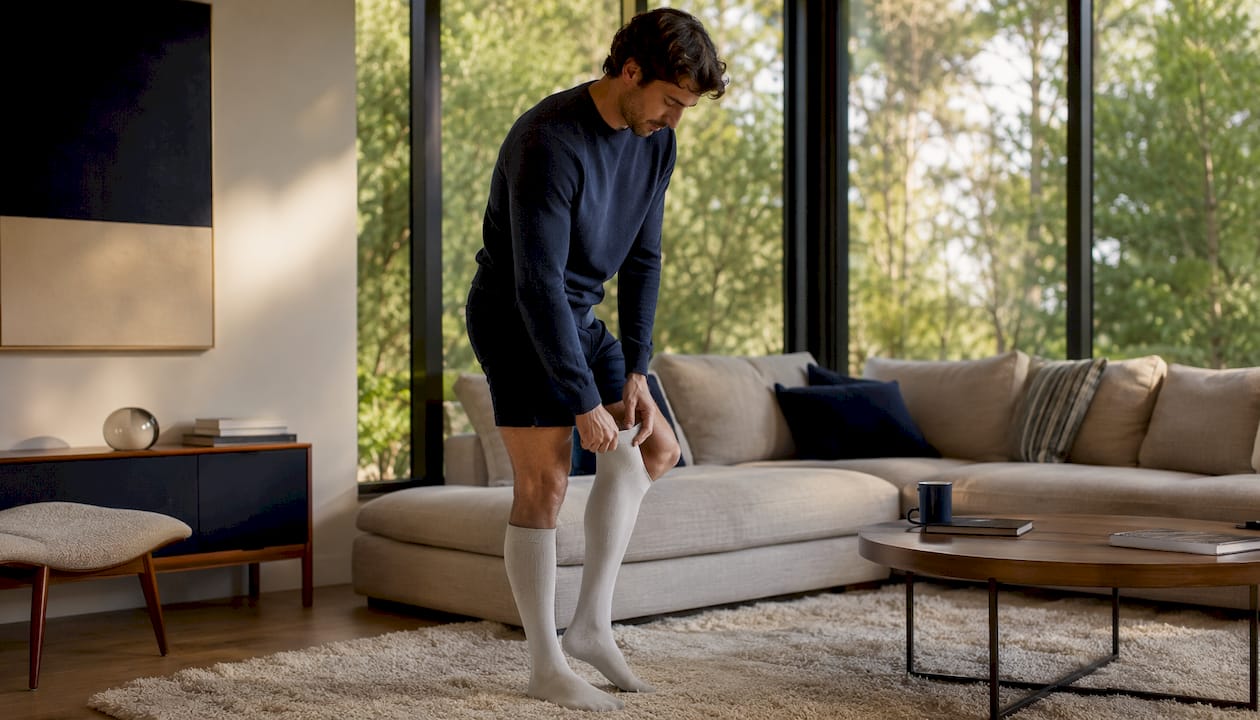
Swelling happens when fluid leaks out of tiny capillaries and collects in surrounding tissue. Compression reduces edema by keeping that fluid where it belongs, which is particularly useful during pregnancy, prolonged sitting, or long hours on your feet. The gentle pressure also improves lymphatic drainage, giving your body a second pathway to clear excess fluid.
Timing matters more than most people realize. Putting on your compression garment first thing in the morning, before gravity has a chance to pull fluid into your legs, is far more effective than waiting until swelling has already started. Many people find wearing compression for several hours per day delivers solid symptom relief.
How light compression wear helps your body recover after exercise
Post-workout soreness is where compression wear earns a lot of its reputation. A systematic review and meta-analysis found that compression garments significantly reduce muscle strength loss and perceived soreness after high-intensity resistance or plyometric exercise, with the strongest effects appearing within 1–24 hours post-exercise. Strength recovery showed notable benefits, particularly within a day after exercise.
The mechanism ties back to circulation. By improving venous return and reducing muscle swelling after a hard session, compression limits the progression of exercise-induced muscle damage. Less swelling means less pressure on muscle cells, which translates to less soreness the next morning.
That said, the picture on performance is more nuanced. Studies show mixed results for direct athletic performance enhancement, even when recovery benefits are clear. Think of light compression as a recovery tool, not a performance booster. For daily use alongside your regular workout routine, that distinction is actually freeing: you do not need to wear it during exercise to get the benefit.
Pro Tip: Slip on your compression garment within an hour of finishing a workout and keep it on for several hours. That window is when the recovery benefits are strongest.
Expert advice on making compression wear part of your daily life
Dr. Marc Passman, vascular surgeon and director of the UAB Vein Clinic, puts it plainly:
That framing is worth keeping in mind. Compression wear supports your body’s natural systems; it does not replace them. Dr. Passman recommends pairing compression with regular movement breaks, balanced hydration, and watching your salt intake, since fluid retention is often a lifestyle factor as much as a mechanical one.
A few practical guidelines worth following:
- Stick to 8–20 mmHg for everyday wear. Mild compression in this range is comfortable and safe for most people without a prescription.
- Skip overnight wear unless your doctor says otherwise. Wearing compression while you sleep can cause skin irritation and pressure marks, since your legs do not need the same circulatory support when you are lying flat.
- Get the right fit. A garment that is too tight cuts off circulation; one that is too loose does nothing. Check the mmHg rating and size chart before buying. Our guide on shapewear compression levels walks you through exactly how to match level to lifestyle.
- See a doctor if swelling persists. Compression manages mild symptoms well, but persistent or worsening swelling can signal an underlying condition that needs medical evaluation.
About Ilovenichewear’s expertise in compression and niche apparel
Ilovenichewear is an online store built around niche apparel, including compression and shapewear designed for real daily life. The brand’s resource blog covers research-backed topics in apparel technology, from postpartum recovery wear to the nuances of compression levels, so you can shop with confidence rather than guesswork.
The most useful compression garment is the one you will actually wear every day. Comfort, fit, and the right pressure level matter more than any single feature.
Pro Tip: When browsing compression options, look for garments that specify their mmHg rating on the label. A product without that number gives you no way to know whether it delivers real compression or just a snug fit.
Limitations and medical precautions to keep in mind
Light compression wear is not for everyone. People with peripheral arterial disease, severe diabetes-related circulation issues, or certain skin conditions should consult a doctor before wearing compression garments, since added pressure can worsen restricted blood flow in those cases. Compression is also not a treatment for deep vein thrombosis or chronic venous insufficiency on its own; those conditions require medical management.
For healthy adults using compression for comfort and mild swelling, the risks are low when the garment fits correctly. The key word is “correctly.” A garment that bunches, rolls, or digs in at the top edge creates uneven pressure that can actually impede circulation rather than support it.
How light compression compares to other support garments
Light compression wear (8–20 mmHg) sits in a different category from medical-grade options. Everyday athletic or shapewear compression typically delivers 8–15 mmHg, which is enough for comfort and mild circulatory support but not sufficient for treating diagnosed vein conditions. Specialty garments in the 20–40 mmHg range are available at medical supply stores and are used for conditions like chronic venous insufficiency. Medical-grade compression at 40–50 mmHg requires a prescription.
Compared to standard support hosiery or non-graduated tights, true compression garments apply more pressure at the ankle and gradually less pressure up the leg. That gradient is what drives the circulatory benefit. A regular tight or legging without a stated mmHg rating does not replicate that effect, regardless of how snug it feels.
What happens when compression wear is used incorrectly
Wearing the wrong size is the most common mistake. A garment that is too tight can cause numbness, tingling, or skin breakdown, particularly around the ankle or behind the knee. Compression tops with excessive pressure can even restrict breathing. Wearing compression overnight without medical guidance risks pressure marks and missed early signs of skin irritation.
Choosing a compression level above 20 mmHg without professional guidance is another area where problems arise. Higher pressures are designed for specific medical conditions and can cause discomfort or circulation issues in people who do not need that level of support.
Who benefits most, according to the research
The evidence for light compression wear spans several distinct groups. Nurses, teachers, and retail workers who stand for long shifts report meaningful relief from leg heaviness and fatigue. Travelers on long flights benefit from reduced risk of fluid pooling and circulatory slowdown. Athletes using compression for post-workout recovery see consistent reductions in soreness, particularly after resistance training. Pregnant women use compression stockings to manage leg swelling as pregnancy progresses.
Research also shows that both trained and untrained individuals benefit from compression during recovery, though trained athletes tend to see more pronounced effects, likely because their higher baseline fitness amplifies the circulatory response.
Ilovenichewear has comfortable compression wear for everyday life
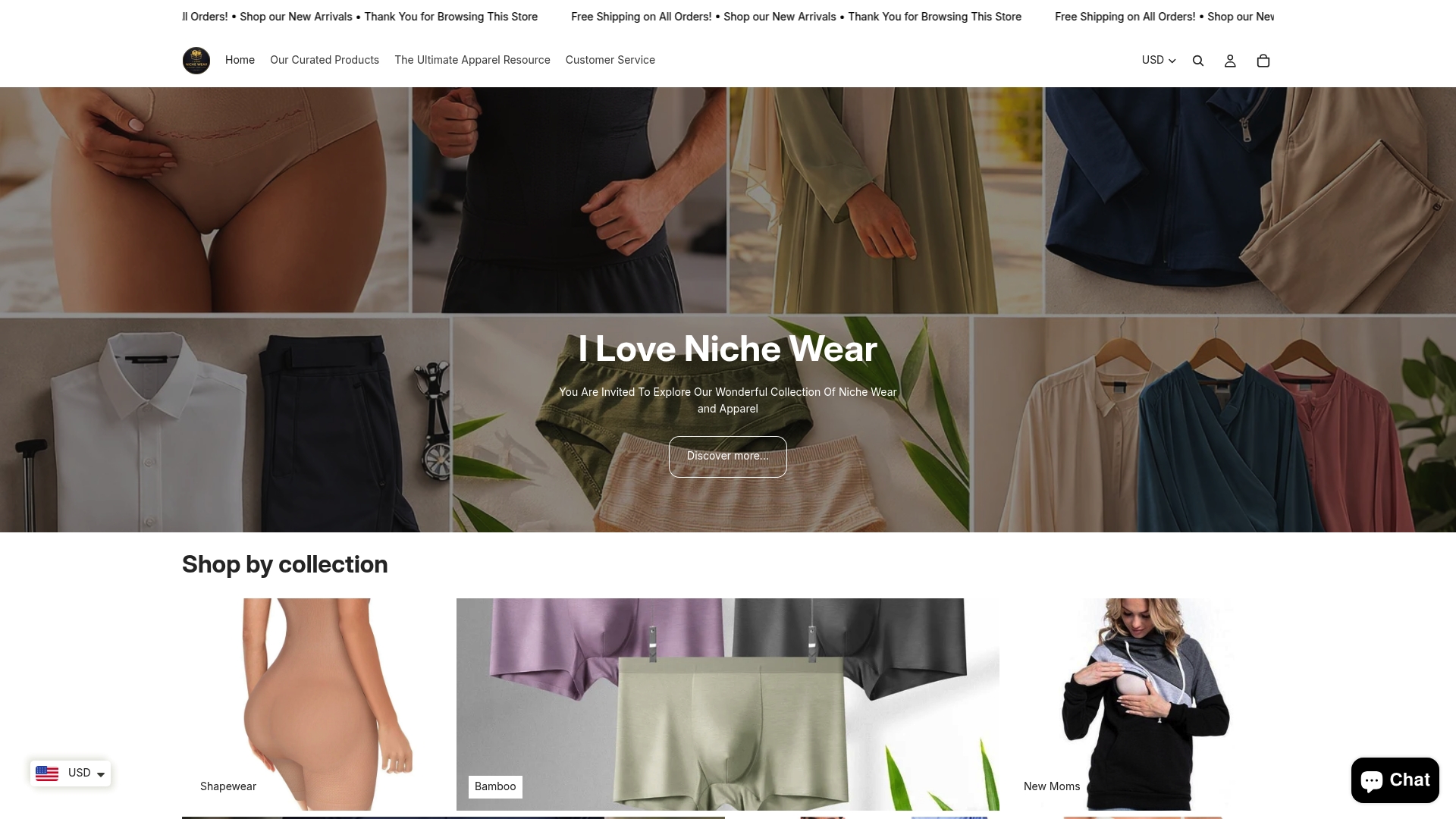
If you are ready to feel the difference that light, well-fitted compression can make, Ilovenichewear has you covered. The collection at Ilovenichewear brings together compression and shapewear designed for real daily wear: breathable, comfortable, and sized to actually deliver the gentle pressure your body benefits from. No guessing about fit, no stiff medical-supply aesthetic. Just cozy, supportive pieces that work with your lifestyle, whether that is a long shift, a workout, or a travel day. Browse the full range and find the garment that fits your day.
Key Takeaways
Compression garments rated 8–20 mmHg improve circulation, reduce leg swelling, and support muscle recovery when worn correctly for 8–10 hours per day.
| Point | Details |
|---|---|
| Best compression range for daily wear | 8–20 mmHg is comfortable and effective for most people without a prescription. |
| Timing is everything | Put on your garment first thing in the morning, before swelling starts, for the best results. |
| Recovery benefits are real | Compression reduces muscle strength loss and soreness most effectively within 1–24 hours post-exercise. |
| Overnight wear is not recommended | Sleeping in compression can cause skin irritation and pressure marks unless a doctor advises otherwise. |
| Ilovenichewear’s everyday range | Ilovenichewear offers breathable, correctly rated compression wear designed for all-day comfort and daily use. |