
Shapewear for wedding dress fitting is defined as foundation garments worn under a bridal gown to smooth, support, and refine your silhouette without adding bulk or discomfort. The right piece works with your dress, not against it. Brands like SKIMS, Spanx, and Honeylove have made bridal shapewear more comfortable and effective than ever, with options ranging from seamless bodysuits to high-waisted shorts. The goal is never to squeeze yourself into something uncomfortable. It’s to feel confident, supported, and completely at ease from the ceremony to the last dance.
How does your wedding dress silhouette determine shapewear choice?
Your dress shape is the single most important factor in choosing the right bridal foundation wear. A mermaid gown hugs every curve from chest to knee, so any visible seam or edge will show. A ball gown, on the other hand, has so much volume in the skirt that what you wear underneath barely matters below the waist.
Here’s a quick breakdown of what works best for each silhouette:
| Dress Silhouette | Recommended Shapewear | What to Avoid |
|---|---|---|
| Mermaid / Trumpet | Seamless bodysuit or slip | Anything with thick side seams |
| Sheath / Column | High-waisted thong shorts | Boyshort styles that create lines |
| A-line | Light control shorts or nothing | Heavy compression bodysuits |
| Ball gown | Minimal or none below waist | Bulky layers that add volume |
| Slip / Bias cut | Seamless slip or thong bodysuit | Lace-trimmed edges |
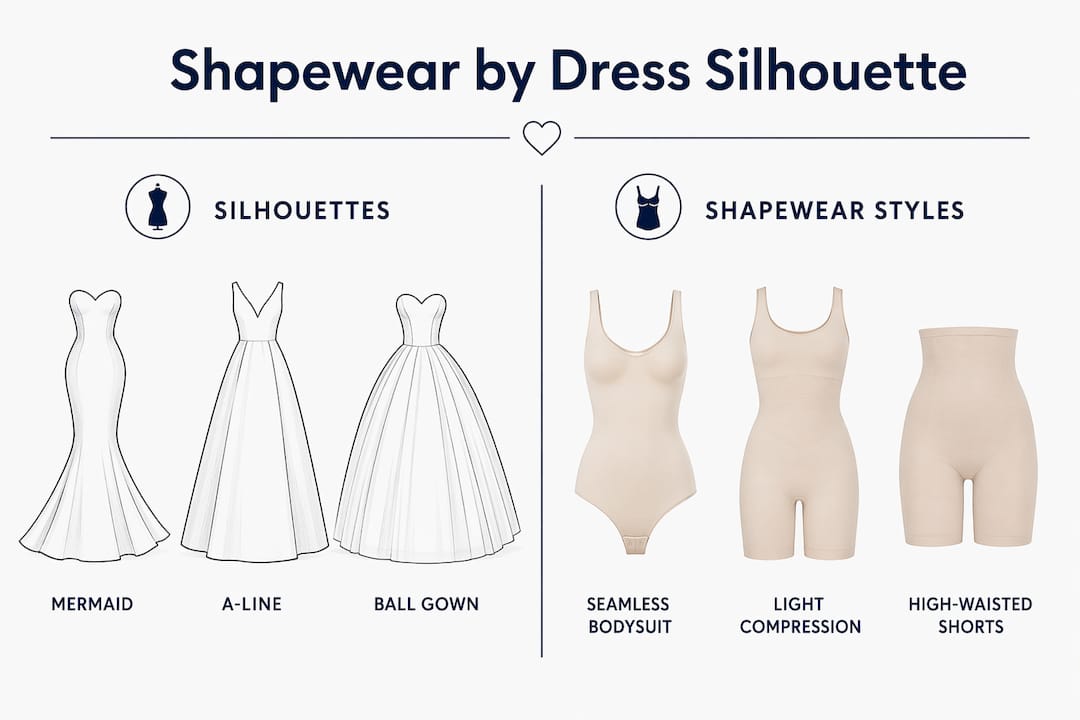
Seamless slips and bodysuits prevent visible lines under mermaid and slip dresses, while minimal shapewear suits A-line and ball gowns better. This matters because a mermaid dress in crepe or satin will telegraph every seam directly through the fabric.
Special dress features need extra thought. An open-back gown rules out any bodysuit with a full back panel. A high slit means your shapewear shorts need to end well above where the slit opens. A plunging neckline may require a low-cut or strapless bodysuit. Knowing your dress’s construction before you shop saves you from buying pieces you can’t actually wear.
Pro Tip: Bring a photo of your dress to the shapewear store. The sales associate can immediately tell you which styles are compatible with your neckline, back, and hem.
For a deeper look at how different shapewear styles compare across dress types, Ilovenichewear’s guide on shapewear styles explained breaks it down clearly.
What features make shapewear comfortable for an all-day wedding?
Comfort is non-negotiable when you’re wearing shapewear for 10 to 14 hours straight. The features that keep you comfortable at hour two are the same ones that keep you sane at hour twelve.
Here’s what to look for when shopping:
- Breathable fabric: Look for mesh panels or moisture-wicking blends. Nylon-spandex fabrics with ventilation zones prevent overheating during outdoor ceremonies or summer weddings.
- Non-slip silicone strips: Silicone strips and integrated boning keep shapewear from rolling down during dancing or movement. This is the feature most brides wish they had prioritized.
- Flat or bonded seams: Raised seams press into skin over long hours. Bonded or laser-cut edges eliminate this entirely.
- Gusset or open gusset: A cotton gusset improves breathability. An open gusset means you can use the restroom without removing your entire gown, which is a practical necessity in a wedding dress.
- Correct compression level: Shapewear must support without constriction that impedes breathing or circulation. If you can’t take a full breath while seated, the compression is too high.
The most common comfort mistake brides make is sizing down for more control. Shapewear that’s too small rolls, digs, and creates new bulges at the edges. Size up if you’re between sizes, and always try it on while seated, not just standing.
High-waisted shaping shorts with breathable mesh lining provide comfortable tummy and thigh control for extended wear. Maidenform’s High-Waisted Thigh Slimmer, for example, earned consistent praise for its non-roll design under formalwear.
Pro Tip: Wear your shapewear for a full three to four hours at home before your wedding day. Walk, sit, eat, and dance. Any discomfort you feel then will be amplified after a full wedding day.
How to choose shapewear by dress material to prevent visible lines
The fabric of your gown determines how forgiving it is. Thick duchess satin hides a lot. Silk charmeuse, bias-cut crepe, and chiffon hide almost nothing.
For delicate or clingy fabrics, seamless thong-style shapewear reduces visible panty lines under tight or sheer materials. Bodysuits without side seams and high-waisted thongs deliver the smoothest finish under revealing fabrics.
Here’s how to match your shapewear to your dress material:
- Silk or charmeuse: Choose a seamless, thong-cut bodysuit with no lace trim. Any texture on the shapewear will show through.
- Crepe: Opt for high-waisted shorts in a matte fabric. Shiny shapewear can create a reflective shadow under crepe.
- Satin: Most seamless styles work here. Focus on edge smoothness at the thigh and waist.
- Lace overlay: The texture of lace hides a lot. You have more flexibility, but avoid anything with thick waistbands that might create a ridge.
- Tulle or organza: The underlining of these gowns does most of the work. Light control shorts or a simple slip are usually enough.
Color matching matters more than most brides expect. Nude shapewear in your skin tone disappears under white and ivory fabrics far better than white shapewear does. White shapewear can actually create a bright glow through sheer overlays. If your gown is champagne or blush, look for a warm nude or rose-toned option.
If you’re unsure how shapewear behaves under your specific body shape and dress combination, Ilovenichewear’s fit guide for body shapes is a practical starting point.
What are the best shapewear brands and styles for brides in 2026?
The bridal shapewear market has expanded significantly, and you now have genuinely good options at every price point. Here’s a practical overview of the brands worth knowing:
| Brand | Best For | Price Range |
|---|---|---|
| SKIMS | Seamless bodysuits, sheer fabrics | $48 to $98 |
| Spanx | High-waisted shorts, tummy control | $38 to $88 |
| Honeylove | All-day comfort, back support | $75 to $120 |
| Maidenform | Budget-friendly thigh slimmers | $18 to $45 |
| The Pantry Underwear | Minimal coverage, natural fabrics | $30 to $65 |
Top bridal boutiques recommend brands like SKIMS and Spanx for their comfort and shaping effectiveness, with budget-friendly options available under $30 at some retailers. That price range means you don’t have to spend a lot to get something that genuinely works.
When it comes to styles, here’s what each type does best:
- Bodysuits: Best for mermaid and sheath gowns. They stay tucked and prevent any gap between top and bottom pieces.
- High-waisted shorts: The most versatile option. They work under almost any silhouette and provide thigh coverage that prevents chafing during long days.
- Corsets: Useful for brides who want structured back support and a defined waist. They work best under ball gowns where the skirt hides the boning.
- Slips: Ideal for A-line and flowy dresses. They reduce static, prevent fabric from clinging to legs, and add a layer of comfort without compression.
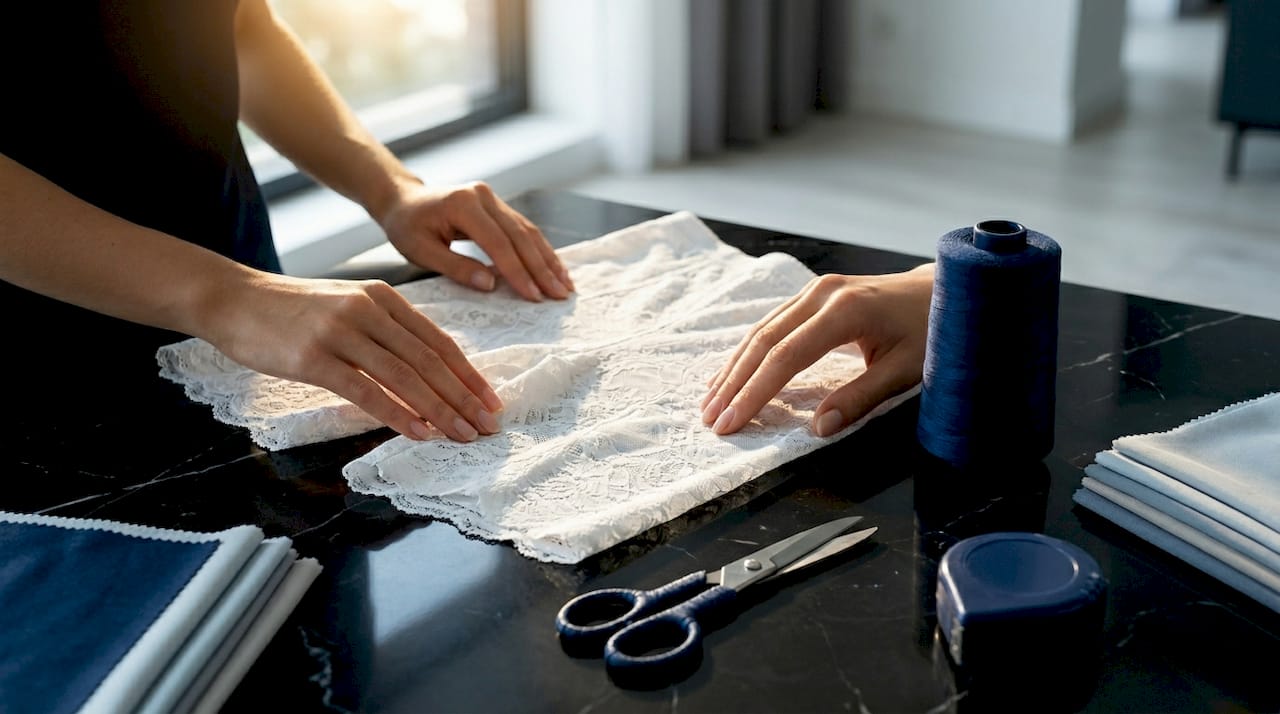
Bringing your shapewear to dress fittings is non-negotiable. Your seamstress needs to see exactly how the dress sits over your chosen undergarments to make accurate alterations. If you show up to your final fitting in different shapewear than you wore at your first fitting, the hem and bodice adjustments may no longer be accurate.
If pinching or rolling occurs during fittings, that’s a clear sign to change your shapewear size or style before alterations are finalized. Pushing through discomfort at a fitting almost always leads to a last-minute scramble before the wedding.
For brides who experience thigh irritation, Ilovenichewear’s anti-chafe thigh straps are a practical add-on that pairs well with shorter shapewear styles.
Key takeaways
Choosing the right shapewear for your wedding dress fitting comes down to matching your dress silhouette, fabric, and comfort needs before your first alteration appointment.
| Point | Details |
|---|---|
| Match shapewear to silhouette | Mermaid and sheath gowns need seamless bodysuits; ball gowns need minimal support below the waist. |
| Bring shapewear to every fitting | Alterations are made based on what you wear underneath, so consistency prevents last-minute surprises. |
| Prioritize comfort over compression | Shapewear that restricts breathing or rolls during movement will cause real problems over a 12-hour day. |
| Choose nude over white | Skin-tone shapewear disappears under ivory and white fabrics better than white shapewear does. |
| Test for a full day before the wedding | Wearing shapewear for several hours at home reveals fit issues that a 10-minute try-on never will. |
What I’ve learned about shapewear after helping brides get dressed
Here’s the honest truth: most brides overthink the compression and underthink the comfort. I’ve seen brides squeeze into the tightest bodysuit they could find because they wanted maximum control, and then spend their reception tugging at the waistband every 20 minutes.
Shapewear is strategic support where desired, not a tool to mask insecurities or chase maximum control. The brides who feel best on their wedding day are the ones who chose shapewear that enhanced what they already had, not the ones who tried to reshape themselves entirely.
My honest recommendation: go one compression level lighter than you think you need. A medium-control option that you forget you’re wearing will always outperform a firm-control option that you’re aware of every single moment. Confidence comes from comfort, not from how aggressively something is squeezing you.
I also think the fitting room advice gets overlooked too often. Framing shapewear as confidence-enhancing rather than insecurity-driven genuinely changes how brides approach the whole process. You’re not hiding anything. You’re giving your dress the smoothest possible canvas to do its job.
— I
Find your perfect bridal shapewear at Ilovenichewear
Ready to find shapewear that actually feels good all day long? Ilovenichewear carries a curated selection of bridal-friendly shapewear designed for real comfort, not just the fitting room.
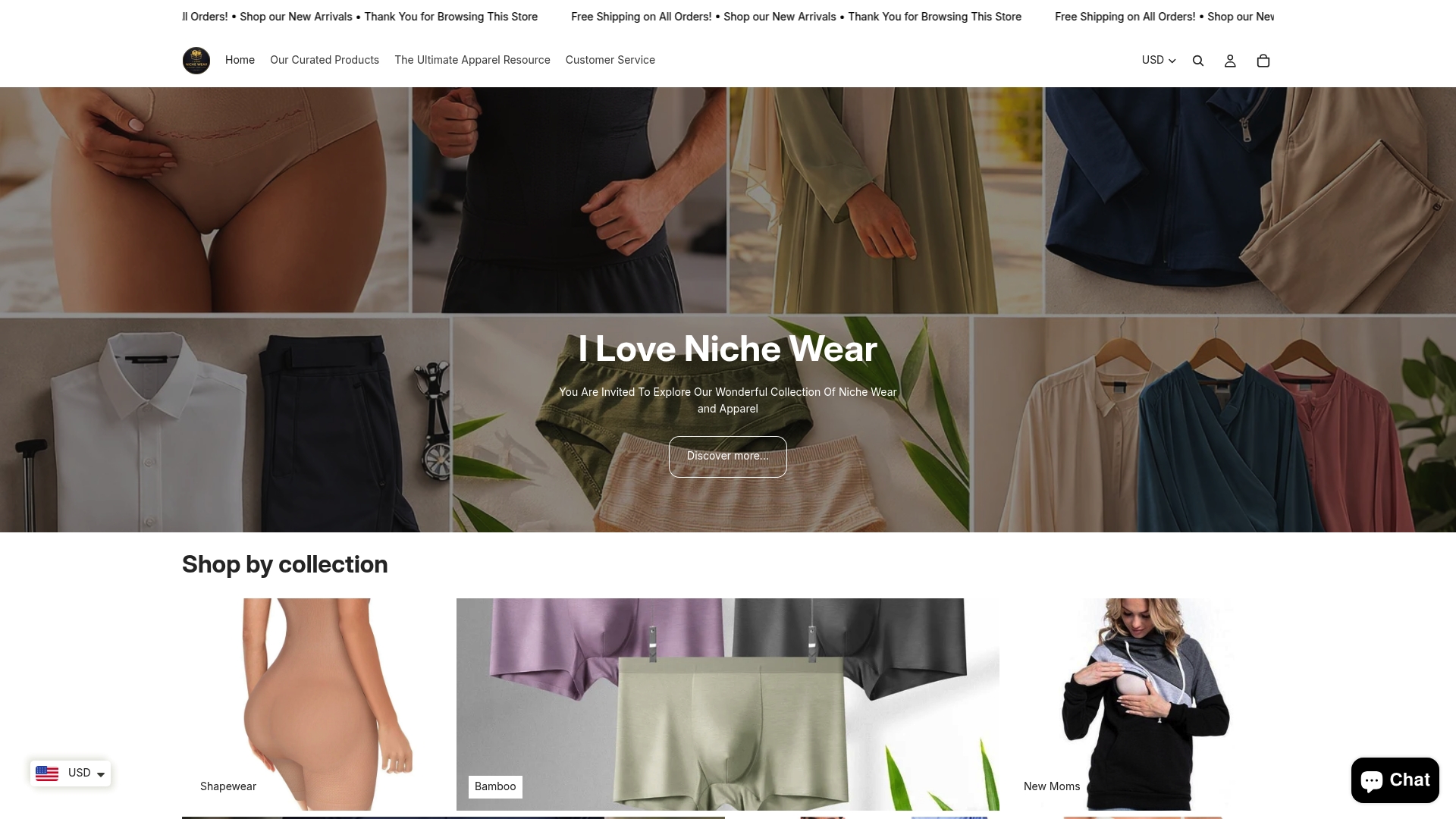
From seamless bodysuits to breathable high-waisted shorts, the shapewear collection at Ilovenichewear covers every dress silhouette and body type. Each style is chosen with all-day wearability in mind, so you’re not just comfortable at your fitting. You’re comfortable at midnight on the dance floor too. Browse the full range at Ilovenichewear and find the piece that makes your dress feel like it was made for you.
FAQ
What shapewear should I wear under a mermaid wedding dress?
A seamless bodysuit or thong-cut slip is the best choice for a mermaid gown. These styles prevent visible lines under the fitted skirt without adding bulk through the hips.
When should I buy shapewear for my wedding dress fitting?
Buy your shapewear before your first fitting appointment. Your seamstress needs to see the dress over your actual undergarments to make accurate hem and bodice alterations.
How do I prevent shapewear from rolling down during my wedding?
Look for styles with silicone grip strips along the waistband or integrated boning. These features keep the garment in place through hours of movement and dancing.
Does shapewear color matter under a white wedding dress?
Yes. Nude shapewear in your skin tone is less visible under white and ivory fabrics than white shapewear, which can create a bright glow through sheer overlays.
Can shapewear be uncomfortable to wear all day?
It can be, if you choose the wrong compression level or size. Shapewear that restricts breathing or digs into skin will become genuinely uncomfortable over a long wedding day. Size correctly and test it at home for several hours before the event.