
Full body shapewear garments are specialized compression pieces designed to smooth, contour, and lift multiple body zones at once, giving your silhouette a cleaner, more polished look under any outfit. The market is led by brands like Spanx, Skims, and Maidenform, each offering distinct styles from shaping bodysuits to high-compression fajas. Knowing the types of full body shapewear garments available means you can stop guessing and start choosing pieces that actually work for your body and your wardrobe. This guide breaks down every major style, the materials behind each one, and exactly when to wear them.
1. Shapewear bodysuits vs. seamless bodysuits
Shapewear bodysuits are the most misunderstood garment in this category. Many shoppers confuse a sleeveless seamless bodysuit with a shaping bodysuit, but the two serve completely different purposes. Getting this wrong means you end up with a smooth base layer when you actually wanted targeted contouring.
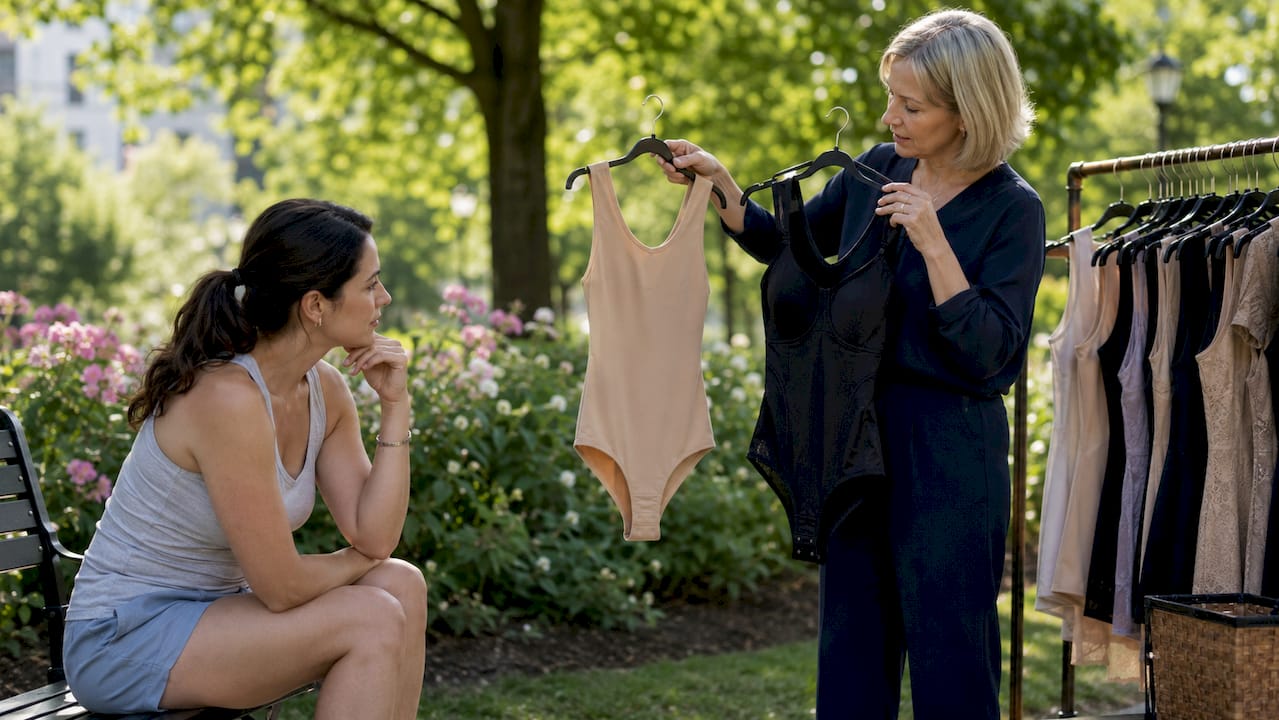
A shaping bodysuit uses built-in compression panels and knit tension to actively reshape the torso, waist, and hips. A seamless bodysuit, by contrast, acts as a smooth base layer that eliminates visible underwear lines without applying any targeted shaping pressure. Think of it this way: one sculpts, the other smooths.
Materials matter here. Spandex, nylon, and microfiber each bring something different. Spandex delivers compression and flexibility, nylon is silky and moisture-wicking, and microfiber offers softness with near-invisible coverage under fitted clothing. Most quality shaping bodysuits blend all three.
- Choose a shaping bodysuit when you want all-over torso control under a body-hugging dress or tailored blazer.
- Choose a seamless bodysuit when you need a smooth, wrinkle-free base layer under casual or loosely fitted tops.
- For special occasions, opt for higher compression panels in the waist and abdomen zone.
- For everyday wear, a light-to-medium compression seamless style keeps things comfortable all day.
Pro Tip: Measuring your torso length before buying is non-negotiable. Correct torso measurement prevents crotch tightness and fabric bunching, two of the most common fit complaints with bodysuits.
2. Fajas vs. waist trainers: what actually sets them apart
Fajas are Colombian-style full compression garments that shape the entire torso and hips, not just the waist. Fajas offer stronger compression than standard shapewear and are a go-to choice for post-surgical recovery or significant contouring goals. Waist trainers, by comparison, focus compression exclusively on the waist area and are often worn during workouts.
Here is a side-by-side look at how these two garments compare:
| Feature | Faja | Waist trainer |
|---|---|---|
| Coverage area | Full torso and hips | Waist only |
| Compression level | High | Medium to high |
| Primary material | Nylon, spandex blends | Latex or neoprene |
| Best use case | Post-surgical shaping, strong contouring | Waist-focused slimming, workouts |
| Wear duration | Hours at a time, as tolerated | 2 to 8 hours depending on style |
Latex waist trainers retain heat around the midsection, which creates a thermal effect during exercise. Neoprene versions amplify this effect further, making them popular for gym sessions. Fajas skip the thermal angle entirely and focus on firm, even compression across a larger surface area.
- Fajas are ideal if you want visible contouring from underbust to upper thigh.
- Waist trainers work best when your goal is a narrower waist silhouette, not overall body smoothing.
- Post-surgical patients often use medical-grade fajas on doctor recommendation for recovery support.
- Waist trainers are not a substitute for fajas if you need broad shaping coverage.
3. Shapewear shorts and control panties
Shapewear shorts are the workhorses of the full body shapewear world. Shapewear shorts smooth thighs and waist while eliminating underwear lines, making them the most versatile option for everyday wear under dresses, skirts, and tailored pants. High-waist briefs and control panties take a more targeted approach, focusing compression on the tummy and hip zone without extending to the thigh.
The key differences come down to length, compression placement, and seam visibility. Mid-thigh shorts provide anti-chafe coverage and thigh smoothing that briefs simply cannot. Control panties sit higher on the waist and deliver a flatter tummy profile, but leave the thighs uncovered. Both styles come in light, medium, and firm compression levels.
- Mid-thigh shapewear shorts: Best under midi dresses, A-line skirts, and wide-leg pants. Prevents thigh chafing and keeps everything smooth from waist to mid-thigh.
- Boyshort style: Slightly shorter than mid-thigh, great for fitted jeans or pencil skirts where a longer leg would show.
- High-waist control briefs: Ideal for tummy smoothing under wrap dresses or blouses tucked into skirts.
- Thong-style shaping panties: Designed for tight, body-hugging outfits where any panty line would show through the fabric.
For everyday wear, a light-compression short in a breathable nylon-spandex blend keeps you comfortable through long days. Save firm-compression styles for special occasions or events where you want maximum smoothing for a few hours.
4. Shaping slips and layering garments
Shaping slips are the quietest performers in the shapewear category, and they are seriously underrated. A shaping slip covers the torso and hips with light-to-medium compression, creating a seamless base beneath dresses and skirts without the structure of a bodysuit. They are especially useful under flowy or semi-sheer fabrics where you want smoothing without any visible shaping lines.
Layering garments like shaping camisoles and tank tops extend this concept upward, covering the bust and upper torso. These pieces use light compression fabrics to smooth without restricting movement, making them a practical choice for office wear or long travel days.
- Full-length shaping slip: Covers underbust to knee, ideal under maxi dresses or formal gowns.
- Half-slip: Starts at the waist and covers hips and thighs, perfect under A-line skirts.
- Shaping camisole: Covers bust to waist with light compression, great under blazers or sheer blouses.
- Shaping tank top: Extends to the hip, offering torso smoothing without the coverage of a full slip.
Pro Tip: Choose a shaping slip over a bodysuit when your outfit has a complex neckline or open back. Slips stay hidden without requiring you to work around tricky closures or snap crotches.
When breathability is your top priority, look for slips made with microfiber or moisture-wicking nylon. These fabrics stay cool and invisible under clothing, even in warmer weather.
5. Full body suits and all-in-one shapers
Full body suits are the most coverage-intensive option in the shapewear category. These garments run from shoulder to mid-thigh or knee, combining the compression of a bodysuit with the leg coverage of shapewear shorts into a single piece. They are the best choice when you want consistent shaping across your entire silhouette without layering multiple garments.
All-in-one shapers often include built-in bra support, tummy panels, and thigh compression in a single construction. This makes them particularly useful under form-fitting gowns, jumpsuits, or any outfit where layering separate pieces would create bulk. The trade-off is that they require more effort to put on and take off, which matters for all-day events.
High-compression full body suits create the most noticeable contouring results but are less suited for all-day wear. Medium-compression versions in breathable nylon-spandex blends offer a practical middle ground for events lasting four to eight hours.
For shapewear for different body shapes, full body suits work especially well for hourglass and pear shapes where consistent compression from bust to thigh creates the most balanced silhouette.
6. How to choose the right full body shapewear style
Choosing the right style from the different shapewear options available comes down to four factors: your outfit type, the body zone you want to shape, your compression tolerance, and how long you plan to wear it.
Good Housekeeping tested shapewear with 80 women and found that the best pieces feel like your own skin, allowing you to bend and breathe without restriction. If you cannot breathe comfortably, the compression level or size is wrong. That single test is the most reliable fit check you can do before committing to a style.
- For body-hugging dresses: Choose a shaping bodysuit or full body suit for all-over control with no visible lines.
- For casual pants and skirts: Shapewear shorts or high-waist briefs give targeted smoothing without the bulk of a full garment.
- For formal gowns: A full-length shaping slip or all-in-one shaper keeps everything smooth without interfering with the dress silhouette.
- For workouts: A neoprene or latex waist trainer adds waist-focused compression during exercise.
- For all-day office wear: A light-compression shaping camisole or seamless bodysuit keeps you comfortable through long hours.
Sizing is where most people go wrong. Measuring waist, hips, underbust, and torso length before buying prevents the two most common problems: rolling waistbands and visible compression lines. For tips on keeping lines invisible under clothing, the guide on avoiding shapewear lines covers every outfit scenario in detail.
If you need shaping in multiple zones for a single outfit, layering a shaping slip over control briefs gives you coverage without the rigidity of a full body suit. Just make sure both pieces are in the same compression range so one does not override the other.
Key takeaways
Full body shapewear works best when you match the garment type to your specific outfit and shaping goal, not just your size.
| Point | Details |
|---|---|
| Bodysuits vs. seamless | Shaping bodysuits compress and contour; seamless bodysuits only smooth without targeted panels. |
| Fajas for full coverage | Fajas cover torso and hips with high compression; waist trainers focus only on the waist. |
| Shorts for everyday wear | Shapewear shorts are the most versatile option for daily smoothing under dresses and pants. |
| Slips for layering | Shaping slips provide light coverage under complex necklines without snap closures or bulk. |
| Sizing is non-negotiable | Measure torso length, waist, and hips before buying to avoid rolling bands and visible lines. |
What I have learned after years of wearing shapewear
Shapewear used to mean discomfort. The older generation of garments, think rigid corsetry and stiff boning, prioritized shape over everything else. The shift toward breathable, flexible fabrics like microfiber and moisture-wicking nylon has genuinely changed what shapewear can do for you day to day.
My honest observation is that most people buy one style and assume it will work for every outfit. It will not. A shaping bodysuit that looks perfect under a wrap dress will create visible lines under a fitted pencil skirt. A faja that delivers incredible contouring at a wedding will feel suffocating during a four-hour work meeting. The garment has to match the occasion.
The brands doing this well right now are prioritizing comfort and breathability as design features, not afterthoughts. Pieces that feel wearable all day are the ones worth investing in. I would also encourage you to try at least two or three different types before settling on a favorite. Your “best” shapewear style is personal, and it often surprises you.
One more thing: wash your shapewear in cold water and lay it flat to dry. Heat breaks down spandex fibers faster than anything else, and a stretched-out compression garment is just expensive underwear.
— I
Find your perfect fit at Ilovenichewear
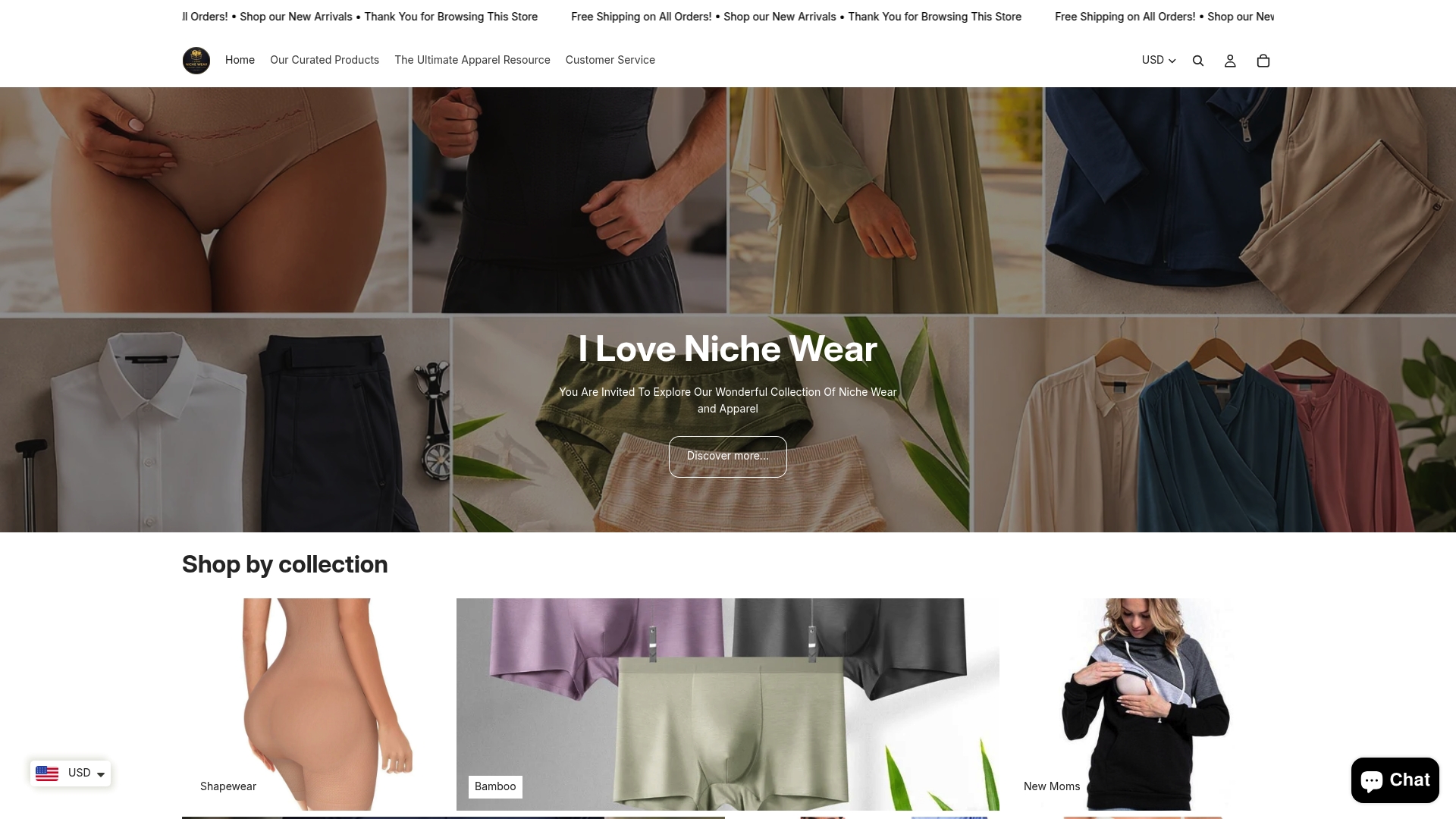
Ilovenichewear carries a curated range of full body shapewear styles, from light-compression shaping slips to firm-control bodysuits, all in inclusive sizing and a variety of shades to match your skin tone. Whether you are dressing for a special event or just want everyday smoothing that actually stays comfortable, there is a style in the collection built for exactly that. Explore the full range at Ilovenichewear and find the piece that makes your favorite outfit feel even better. Free shipping makes it easy to try a few styles and discover what works best for you.
FAQ
What is full body shapewear?
Full body shapewear is a compression garment designed to smooth and contour multiple body zones at once, typically covering the torso, waist, hips, and thighs. Brands like Spanx, Skims, and Maidenform offer styles ranging from light smoothing to high compression shaping.
How is a faja different from regular shapewear?
A faja is a Colombian-style compression garment that provides stronger, broader shaping across the torso and hips compared to standard shapewear. Regular shapewear offers lighter compression and is designed for everyday smoothing rather than significant contouring.
Can I wear shapewear all day?
Light to medium compression styles in breathable nylon or microfiber blends are suitable for all-day wear. High-compression garments like fajas or firm-control bodysuits are better suited for shorter durations of four to eight hours.
What shapewear works best under a tight dress?
A shaping bodysuit or full body suit provides the most seamless coverage under a body-hugging dress. Look for styles with flat seams and a compression level that smooths without creating visible lines through the fabric.
How do I know if my shapewear fits correctly?
Shapewear should feel snug but allow you to breathe and move freely. If the waistband rolls, the torso pulls, or you feel restricted when bending, the size or style is wrong. Measuring your torso length alongside waist and hip measurements gives you the most accurate fit before buying.