
Shapewear is defined as compression garment designed to smooth, shape, and support the body, but its health implications depend almost entirely on how you wear it. The shapewear health considerations explained in this guide cover everything from digestive pressure and circulation effects to skin irritation and body image, giving you a clear picture before you buy or wear. Medical professionals including Dr. Shailly Sharma recommend limiting daily wear to 6-8 hours to avoid the most common risks. Brands like PINQ POLKA and the broader shapewear industry have responded with breathable, seamless designs that make responsible wear much more achievable.
What are the common health risks of wearing shapewear?
The health risks of shapewear fall into three main categories: digestive disruption, circulatory restriction, and skin irritation. Understanding each one helps you make smarter choices about compression level, fit, and wear time.
Digestive and abdominal pressure
Tight shapewear compresses the stomach and intestines, reducing the space available for normal digestion. This physical restriction causes acid reflux, bloating, and general abdominal discomfort, especially after meals. The effect is more pronounced with high-compression styles worn for extended periods. If you regularly feel heartburn or nausea while wearing shapewear, the garment is likely too tight or being worn too long.
Circulatory and nerve effects
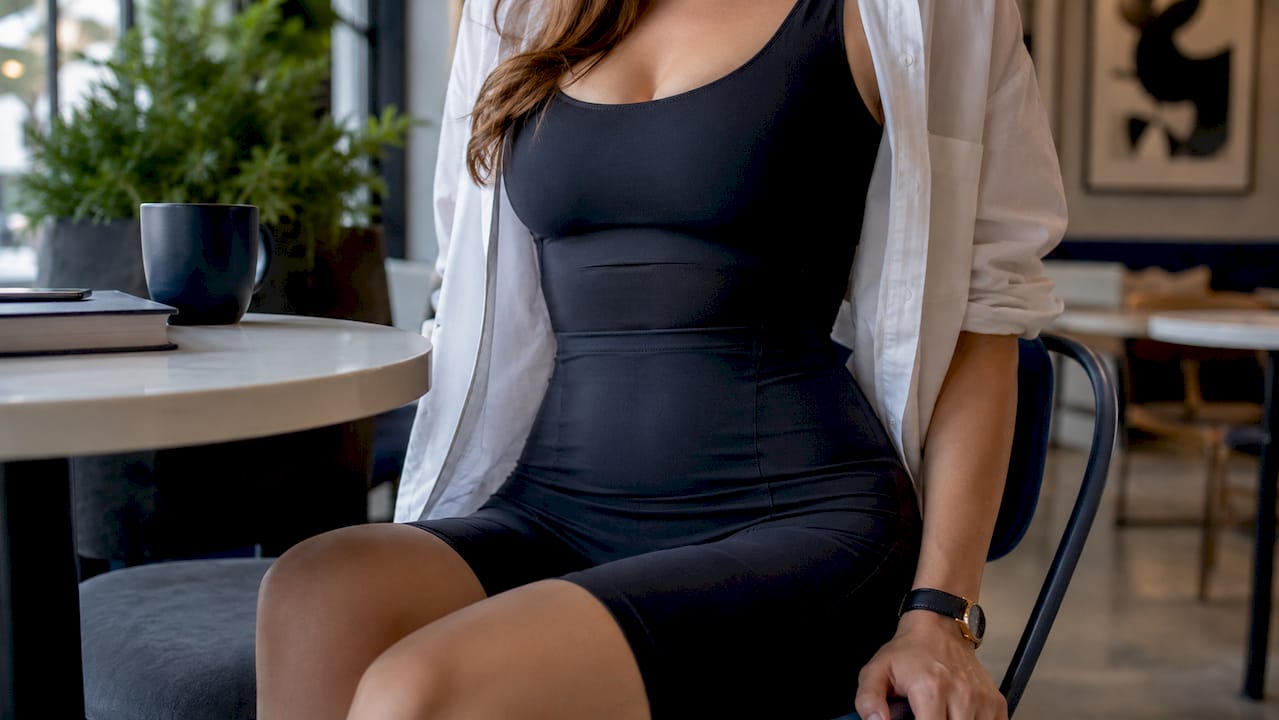
Compression that is too strong or too prolonged restricts blood flow to the legs, hips, and abdomen. The result is numbness, tingling, and swelling, and in severe cases, increased risk of blood clots in the lower limbs. Waist trainers specifically can displace ribs and internal organs, causing breathing difficulties and chest pain that mimics a heart attack. This is not a minor inconvenience. It is a signal that the garment is working against your body rather than with it.
Skin irritation and infection
“Low-quality shapewear traps moisture and sweat, significantly increasing the risk of rashes, chafing, and fungal infections.” — Health professionals cited by News18
Poor fabric and fit are the two biggest contributors to skin problems. Synthetic fabrics without moisture-wicking properties create a warm, damp environment where bacteria and fungi thrive. Seams and edges that dig into skin cause friction sores over time. The risk increases significantly when shapewear is worn during physical activity or in warm weather.
Key warning signs that your shapewear is causing harm:
- Persistent redness or rash along waistbands or leg openings
- Numbness or tingling in your legs or abdomen during wear
- Heartburn or bloating that appears or worsens while wearing the garment
- Difficulty taking a full, deep breath
- Skin indentations that remain visible 30 minutes after removing the garment
How to choose shapewear that balances support, comfort, and safety
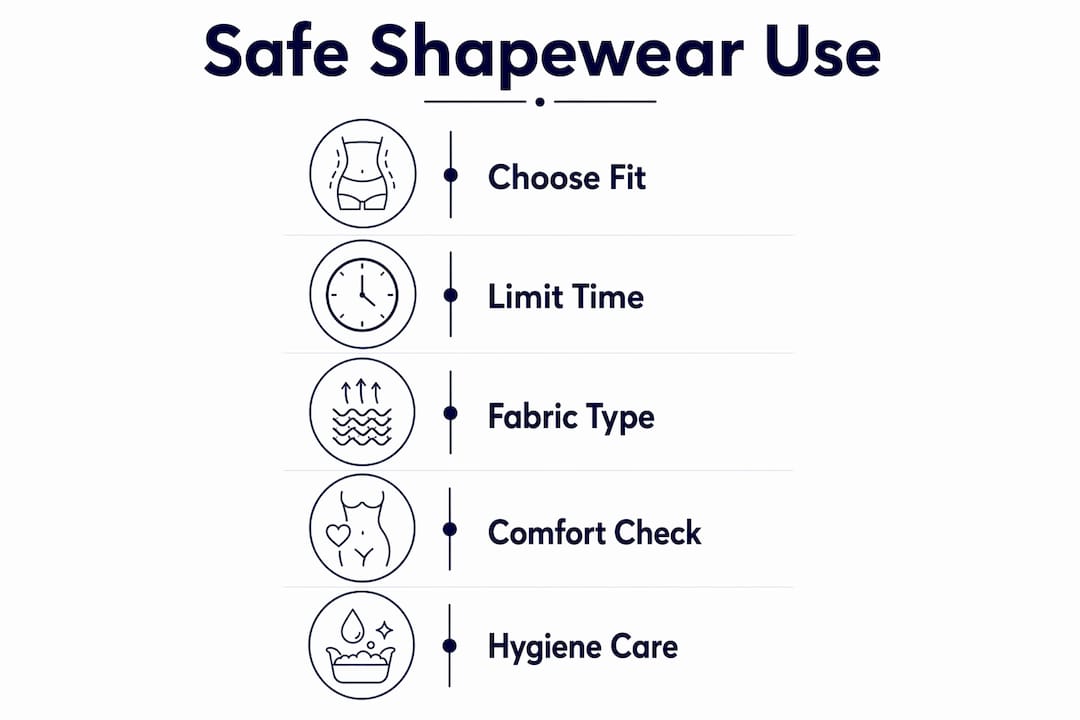
Choosing the right shapewear is the single most effective way to avoid health problems. The decision comes down to compression level, fabric, and fit, and getting all three right makes a real difference.
Compression levels and when to use them
Compression levels vary across three main categories, each suited to different situations:
- Light compression suits all-day wear. It smooths without restricting and works well under everyday clothing, including workwear and casual outfits.
- Medium compression provides a more defined silhouette and is appropriate for events lasting a few hours, such as a dinner or a wedding reception.
- High compression is designed for short-term use only. Waist cinchers and firm body shapers in this category should not be worn for more than two to three hours at a stretch.
Matching compression level to the occasion is one of the most overlooked shapewear safety tips. Most people reach for the highest compression available, assuming more control equals better results. It does not. It just increases the risk of every problem listed above.
Fabric and construction details that matter
Moisture-wicking nylon and spandex blends with seamless construction reduce friction points and improve breathability, directly lowering the risk of skin irritation and infection. Look for a cotton-lined gusset, which reduces moisture buildup in the most sensitive areas. Avoid shapewear made entirely from non-breathable synthetics, particularly for warm-weather or active wear.
| Feature | What to look for | What to avoid |
|---|---|---|
| Fabric | Nylon/spandex blend with moisture-wicking finish | 100% polyester with no breathability |
| Construction | Seamless or flat-lock seams | Raised seams at waistband or leg openings |
| Gusset | Cotton-lined for hygiene | No gusset or synthetic-only lining |
| Waistband | Stays flat when seated | Rolls, digs, or creates a muffin-top effect |
| Leg openings | Smooth, no bulging | Cuts into skin or leaves visible marks |
The sit test and fit cues
Sitting in shapewear for at least 5 minutes before committing to a purchase reveals fit problems that standing up never will. If the waistband rolls, the leg openings dig in, or you cannot take a comfortable breath while seated, the garment is either the wrong size or the wrong compression level for your body. Visible lines, digging straps, or bulging leg openings are physical indicators of incorrect sizing, not just a style problem.
Pro Tip: Size up if you are between sizes. A garment that fits comfortably at the correct compression level will always outperform one that is technically your size but too tight to wear for more than an hour.
What are the best practices for wearing shapewear safely?
Safe shapewear use comes down to three things: time limits, hygiene, and listening to your body. None of these require sacrificing the look you want.
Experts consistently advise limiting wear to 6-8 hours per day. Exceeding 8-10 hours is associated with higher rates of digestive discomfort, skin irritation, and circulatory issues. That 6-8 hour window covers most workdays, evenings out, and special events without pushing into the risk zone.
Practical shapewear usage guidelines to follow every time:
- Wash after every wear. Bacteria and fungi accumulate quickly in compression fabrics. Washing after each use prevents infection and extends the garment’s life. Check out shapewear care and storage tips to keep your pieces in top condition.
- Take breaks when possible. If you are wearing shapewear for a long event, remove it during private moments, such as bathroom breaks or a quiet moment in a changing room.
- Avoid wearing shapewear during meals. The compression on your abdomen is most problematic when your stomach is expanding after eating. Loosening or removing the garment during dinner is a simple way to avoid reflux and bloating.
- Do not sleep in shapewear. Overnight wear removes the natural breaks your body needs and significantly increases the risk of circulatory and skin problems.
- Stop wearing it if you feel pain. Discomfort is a signal, not something to push through. Numbness, sharp pain, or difficulty breathing means the garment needs to come off immediately.
Wearing shapewear every day is not generally recommended by health professionals. Reserving it for special occasions rather than making it part of your daily routine is the safest approach.
Pro Tip: Apply a light, breathable body lotion like Reshape+ Sculpt & Contour to areas prone to friction before wearing shapewear. It creates a protective layer that reduces chafing and keeps skin hydrated.
How does shapewear affect body image and wellness?
Shapewear and body image have a more complex relationship than most people acknowledge. Used thoughtfully, shapewear can genuinely boost confidence. Used as a crutch or a weight-loss tool, it creates problems that go beyond the physical.
Properly fitted shapewear boosts body confidence without compromising health when worn responsibly. The key phrase is “worn responsibly.” Feeling supported and smooth in a well-fitted garment for a few hours is a positive experience. Feeling like you cannot leave the house without it is a different situation entirely.
Medical professionals are clear that tight shapewear is not a weight-loss tool. The cosmetic gains are temporary and the health risks are real. Waist trainers marketed as body-reshaping devices do not permanently alter your figure. They compress your organs while you wear them and return to their natural position the moment you take the garment off.
A mindful approach to shapewear use looks like this:
- Wear it for specific occasions rather than as a daily requirement
- Choose comfort and breathability over maximum compression
- Notice how you feel physically and emotionally while wearing it
- Recognize that shapewear is one tool in your wardrobe, not a solution to body dissatisfaction
- Celebrate what your body does, not just how it looks in a particular silhouette
The goal of shapewear for comfort and support is exactly that: comfort and support. When the garment starts working against those goals, it is time to reassess the fit, the compression level, or the frequency of use.
Key takeaways
Safe shapewear use requires the right compression level, breathable fabric, correct fit, and a firm limit of 6-8 hours of daily wear to protect digestion, circulation, and skin health.
| Point | Details |
|---|---|
| Wear time limit | Cap daily use at 6-8 hours to avoid digestive, circulatory, and skin problems. |
| Compression matching | Match compression level to occasion: light for all-day, high for short events only. |
| Fabric and construction | Choose moisture-wicking nylon/spandex with seamless construction and a cotton gusset. |
| Fit testing | Always do the sit test before buying; digging, rolling, or bulging means wrong size or style. |
| Body image balance | Use shapewear for confidence and support, not as a daily requirement or weight-loss method. |
What I’ve learned from years of watching shapewear trends
The shapewear conversation has shifted a lot in recent years, and not always in the right direction. Social media has made extreme compression look normal and even desirable, which is a problem when the garments being promoted are genuinely unsafe for extended wear.
What I keep coming back to is this: the best shapewear you can own is the one you forget you are wearing. If you are constantly adjusting, breathing shallowly, or counting down the minutes until you can take it off, the garment is not doing its job. It is just making you uncomfortable in a different way than before.
Fabric choice matters more than most people realize. I have seen the difference that a quality nylon/spandex blend with real moisture-wicking properties makes compared to a cheap synthetic that traps heat and sweat. The right fabric technology is not a luxury feature. It is the baseline for anything you plan to wear for more than an hour.
My honest advice: buy less shapewear, buy better shapewear, and wear it for the right occasions. Moderation and quality will always beat quantity and fashion trends. Your body will thank you for it.
— I
Find shapewear that actually feels good at Ilovenichewear
If this guide has you rethinking your shapewear choices, Ilovenichewear has a collection worth exploring. Every piece is selected with breathability, comfort, and real-world wearability in mind, so you get the support you want without the discomfort you do not.
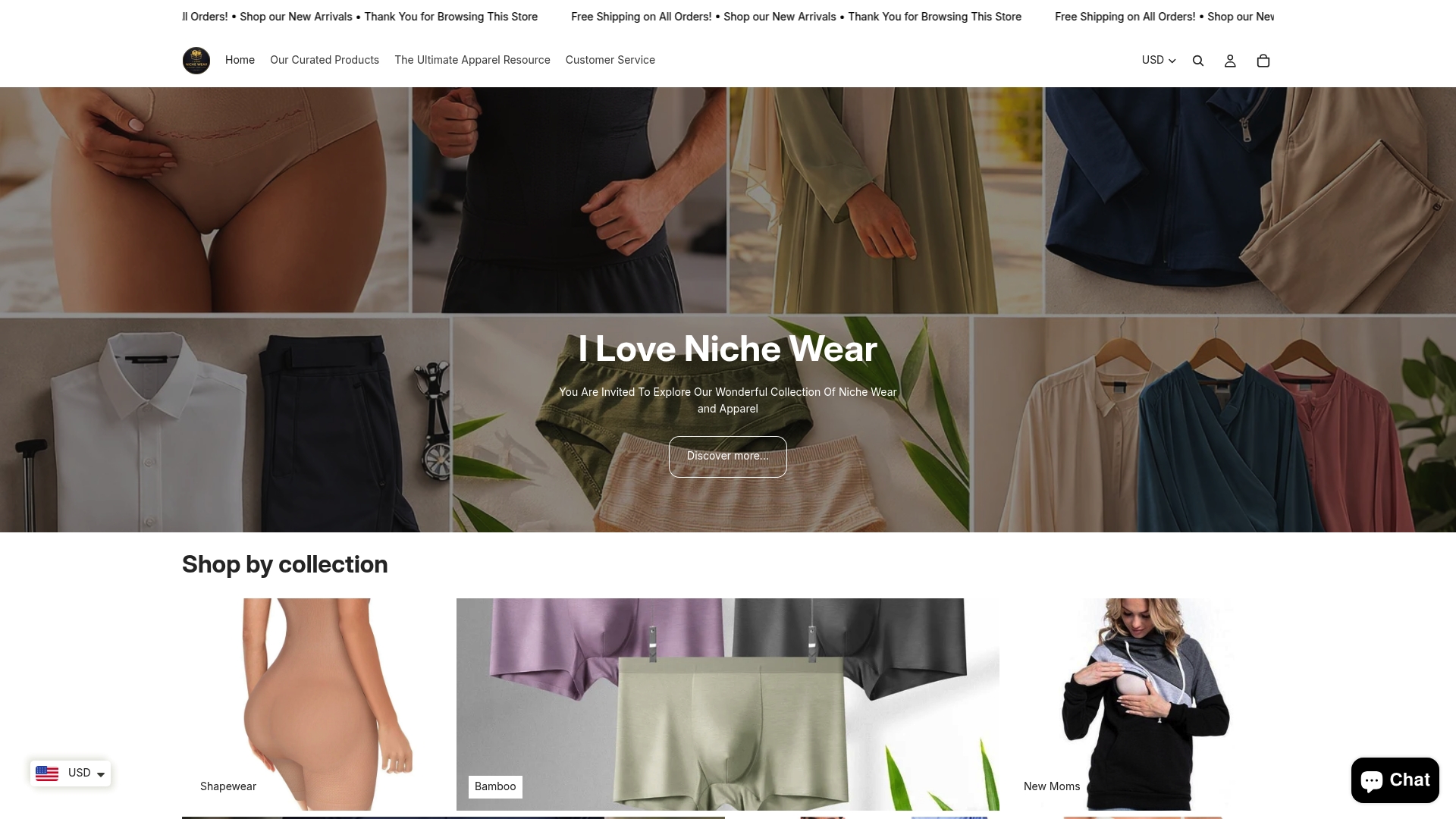
From light-compression everyday styles to medium-compression options for special occasions, the shapewear collection at Ilovenichewear covers a range of body shapes and comfort needs. Fabrics are chosen for their breathability and skin-friendly construction, so you can wear with confidence and actually enjoy the experience. Browse the full range at Ilovenichewear and find the fit that works for your body and your lifestyle.
FAQ
How long can you safely wear shapewear each day?
Experts recommend limiting daily wear to 6-8 hours to avoid digestive issues, restricted circulation, and skin irritation. Wearing shapewear beyond 8-10 hours significantly increases the risk of these problems.
Is wearing shapewear every day bad for you?
Daily shapewear use is not recommended by most health professionals. Reserving it for special occasions rather than everyday wear is the safest approach for long-term health.
What are the signs that your shapewear does not fit correctly?
Visible lines, digging straps, and bulging leg openings are clear signs of poor fit. Difficulty breathing, numbness, or a waistband that rolls are additional indicators that you need a different size or compression level.
Can shapewear help with body confidence?
Yes. Properly fitted shapewear can boost body confidence when worn responsibly and for the right duration. The key is choosing comfort and support over maximum compression.
Are waist trainers safe to use for weight loss?
No. Medical professionals confirm that waist trainers are not a healthy weight-loss method. Prolonged use can displace ribs and internal organs, impair breathing, and cause chest pain, with no lasting effect on body shape.