
Shapewear wears out quickly because elastane fibers break down under heat, mechanical stress, and poor care, stripping the garment of its compression and shape. The technical term for this process is elastic fatigue, and it affects every spandex-based garment from budget basics to premium pieces. Understanding what drives elastic fatigue puts you in control of how long your shapewear actually lasts. Three factors dominate: fabric composition, laundry habits, and garment construction. Get all three right, and your shapewear stays firm and comfortable for a year or more. Get them wrong, and you’ll be replacing pieces within months.
Why shapewear wears out quickly: the fabric science behind it
Shapewear durability is defined by elastane content and the fabric’s ability to recover its original shape after being stretched. Elastane, also called spandex or Lycra, is the elastic fiber woven into shapewear blends to create compression. The more elastane a fabric contains, and the better its mechanical recovery, the longer it holds its shape under daily wear.
Research confirms this directly. Samples with 31% elastane achieved 99.96 to 100% elastic recovery within one minute of being stretched. That near-perfect recovery means the garment bounces back to its original compression level after every wear. Lower-elastane fabrics show significantly higher stress relaxation, meaning they lose tension faster and feel looser after fewer uses.
The table below shows how different fabric compositions compare on the factors that matter most for shapewear lifespan.
| Fabric type | Elastane content | Recovery rate | Durability outlook |
|---|---|---|---|
| High-elastane blend | 28–35% | Near-complete (99%+) | 12+ months with proper care |
| Mid-range blend | 15–25% | Moderate (85–95%) | 6–12 months |
| Low-elastane blend | Under 15% | Low (below 85%) | 3–6 months |
| Mesh-only panels | Varies | Poor under agitation | Prone to early tearing |
Garments with low elastic recovery show rapid compression loss that affects wearability after just a few weeks of regular use. This is why two shapewear pieces at similar price points can feel completely different after three months. The fabric blend, not the brand name, predicts longevity. You can learn more about how different materials perform in this shapewear fabric technology guide.
Pro Tip: Check the garment label before buying. Aim for at least 20% elastane content in the blend. Anything below 15% is likely to lose compression noticeably within the first few months of regular wear.
How laundry and drying habits damage shapewear fast
Heat is the single fastest way to destroy shapewear. Spandex fibers shrink and lose elasticity permanently when exposed to temperatures above 150°F (65°C), which is well within the range of a standard dryer cycle. The heat breaks chemical bonds in the elastane, making fibers brittle and unable to stretch and recover. Once that damage happens, it cannot be reversed.
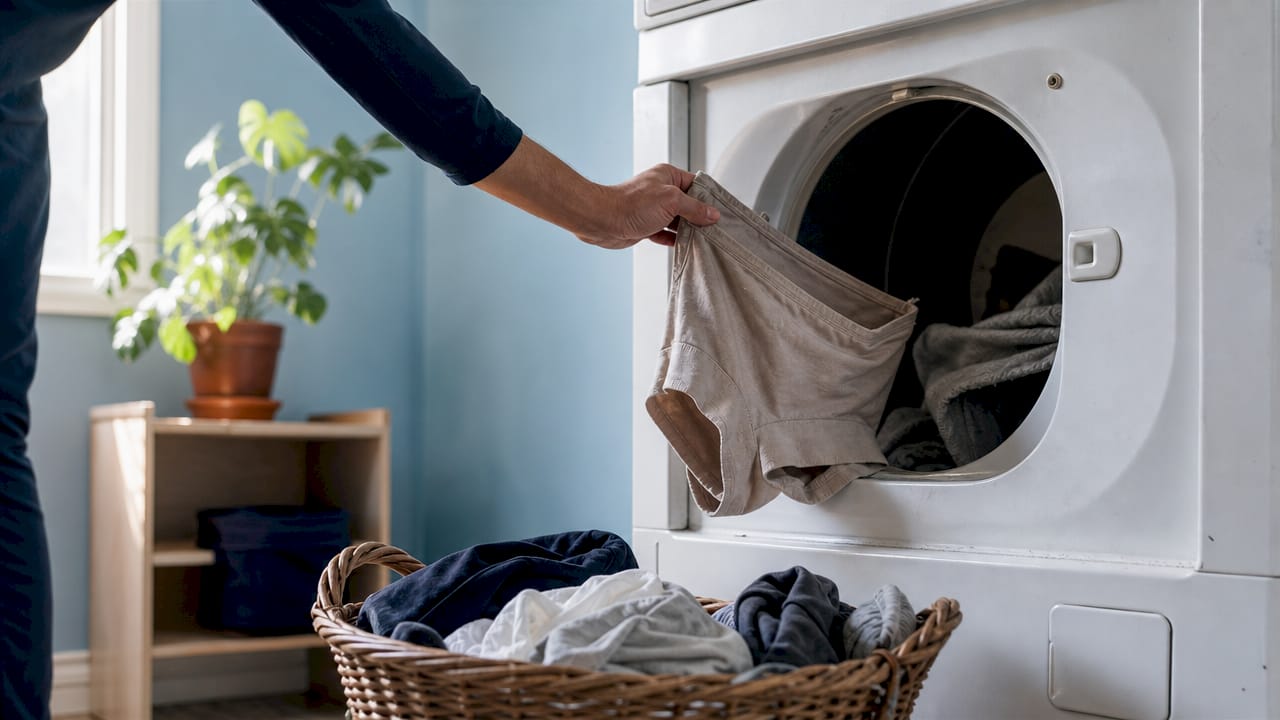
The visible signs come quickly. High heat causes bagging, wrinkles, and sagging in the fabric, which is your garment telling you the elastane is gone. Many people blame the shapewear for being low quality when the real cause is a single dryer cycle on high heat. This is one of the most common shapewear durability issues consumers face, and it is entirely preventable.
Here are the laundry habits that cause the most damage, and what to do instead:
- Machine washing on hot or warm: Hot water weakens elastane bonds over time. Always wash shapewear in cold water.
- Tumble drying on high heat: This is the fastest route to permanent elastic damage. Air drying is the safest method by far.
- Twisting or wringing the garment: Machine agitation and twisting warp flexible boning and damage delicate mesh panels. Gently press out water instead.
- Using harsh detergents or bleach: Strong chemicals degrade elastane fibers from the inside out. Use a gentle lingerie wash or mild soap.
- Washing with rough fabrics: Zippers, hooks, and coarse textures snag mesh panels and cause micro-tears that grow with each wash.
Spandex blends can handle occasional low-heat tumble drying, but risk accumulates with each cycle. Think of it like sun damage to skin. One afternoon outside is fine. Years of daily exposure without protection adds up to real harm. Air drying every time eliminates that cumulative risk entirely.
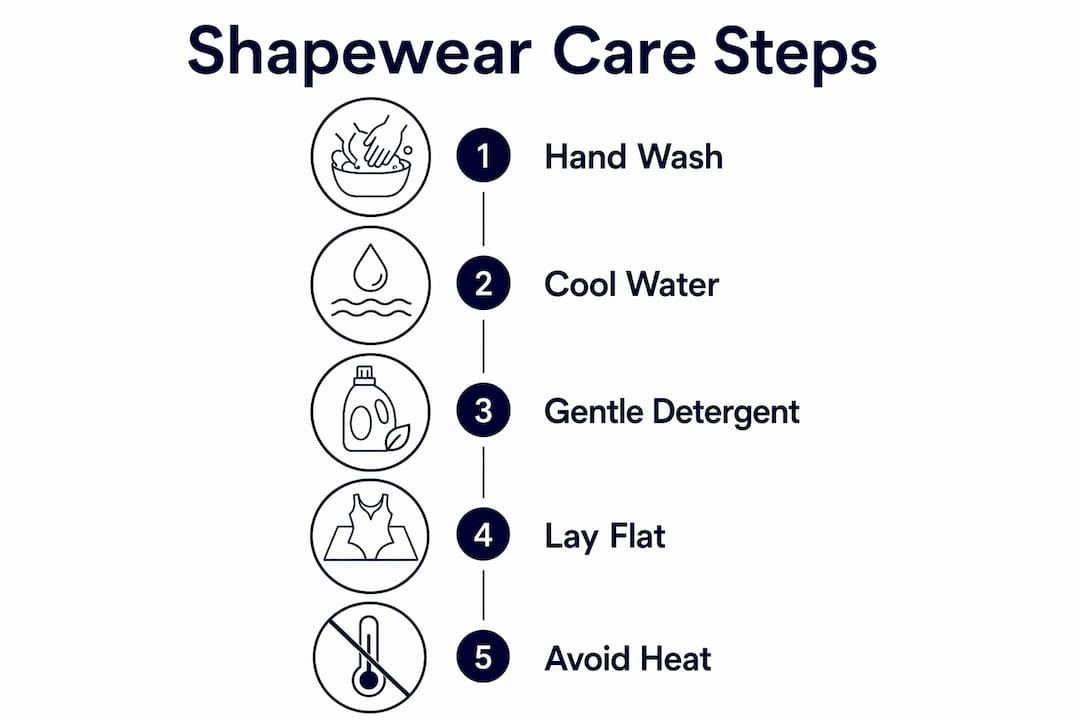
Pro Tip: Hand wash your shapewear in cool water with a drop of gentle lingerie detergent, then lay it flat on a clean towel to air dry. This single habit extends garment life more than any other care change you can make.
Construction and design factors that speed up wear and tear
Fabric quality is only half the story. How a shapewear garment is built determines how well it holds up under real-world conditions. Poor construction accelerates wear even in high-elastane fabrics.
- Weak seams and stitching: Seams that fray after a few washes are a sign of low-quality thread and construction. Strong flatlock or reinforced seams are what you want. Thread quality and stitching technique directly affect how long any garment survives repeated stress.
- Delicate mesh panels: Mesh fabric panels are prone to early tearing, especially in the leg areas, after multiple wash cycles. Even gentle care cannot fully protect poorly constructed mesh.
- Boning that digs or flexes incorrectly: Boning adds structure but can break or warp under pressure. When boning digs into your body, you tend to remove the garment early and roughly, which stresses the surrounding fabric.
- Silicone grip strips: These keep shapewear in place but degrade when exposed to body lotions, oils, or heat. Once the silicone loses grip, the garment shifts and bunches, making it feel worn out even if the fabric is intact.
- Incorrect sizing: Poor sizing causes constriction and faster wear because the fabric is under constant excess tension. A garment that is too small stretches beyond its designed range every time you wear it, accelerating elastic fatigue. Check out this guide on shapewear sizing issues to make sure you are buying the right fit.
Double-layer construction adds durability by distributing compression stress across two fabric layers rather than one, which reduces the strain on any single fiber.
Care and storage tips to extend your shapewear’s life
Good care habits are the most practical tool you have for maintaining shapewear lifespan. Follow these steps consistently and your shapewear will hold its compression and shape far longer.
- Hand wash in cold water. Fill a basin with cool water and a small amount of gentle lingerie wash. Submerge the garment and gently squeeze the water through the fabric. Never scrub or twist.
- Rinse thoroughly. Leftover detergent residue breaks down elastane fibers over time. Rinse until the water runs completely clear.
- Press out water gently. Lay the garment on a clean towel and roll it up to absorb excess moisture. Never wring or twist.
- Lay flat to dry. Hanging shapewear by its straps stretches the elastic in the waistband and shoulder areas. Flat drying and separate storage prevent elastic deformation and fabric damage.
- Store away from other garments. Zippers, hooks, and rough textures on neighboring clothes snag mesh and delicate fabric panels. Store shapewear in a dedicated drawer or a mesh lingerie bag.
- Wait for lotions and oils to fully absorb. Body lotion and oils degrade silicone grip strips and weaken elastane over time. Give your skin five to ten minutes after applying lotion before putting on shapewear.
For a deeper look at storage practices, the shapewear storage and longevity guide at Ilovenichewear covers every detail worth knowing.
How to tell when shapewear needs replacing
Knowing when to replace shapewear saves you from wearing a garment that no longer does its job. The signs are easy to spot once you know what to look for.
Loss of compression is the clearest signal. If your shapewear feels loose or slides down during the day, the elastane has fatigued beyond recovery. Visible fabric thinning, pilling, and small runs in mesh panels all confirm that the fibers are breaking down. A garment that bunches, rolls, or leaves visible lines under clothing has lost its structural integrity.
How long shapewear lasts depends heavily on how often you wear it. Daily wear shortens shapewear lifespan to a few months, while occasional use can extend it to a year or more. That gap is significant and worth planning around.
| Usage frequency | Expected lifespan | Key risk factor |
|---|---|---|
| Daily wear | 2–4 months | Elastic fatigue, compression loss |
| 3–4 times per week | 5–8 months | Gradual stretch relaxation |
| Occasional (weekly or less) | 10–14 months | Improper storage damage |
Repeated agitation and stretching during laundering accelerate mechanical fiber fatigue, causing pilling, fraying, and compression loss over time. If you wear shapewear daily, budget for replacing pieces every season and treat each garment with consistent care to get the most out of it.
Key takeaways
Shapewear loses compression and wears out fast primarily because of elastane breakdown from heat exposure, mechanical stress, and poor construction quality.
| Point | Details |
|---|---|
| Elastane content drives durability | Fabrics with 31% elastane achieve near-complete recovery; aim for at least 20% in any blend. |
| Heat is the top enemy | Dryer temperatures above 150°F permanently break elastane bonds. Always air dry. |
| Construction quality matters | Weak seams, mesh panels, and poor sizing accelerate wear regardless of fabric quality. |
| Care habits extend lifespan | Hand washing in cold water and flat drying are the two most impactful habits you can build. |
| Wear frequency sets the clock | Daily use shortens shapewear life to a few months; occasional use can reach over a year. |
What I’ve learned about shapewear wear after years of watching it happen
The most common mistake I see is people blaming the shapewear when the real culprit is the dryer. One high-heat cycle can do more damage than six months of regular wear. I’ve watched customers replace perfectly good garments every few months simply because they never changed their laundry routine. The fabric was fine. The care was not.
The second thing I’ve noticed is that sizing errors quietly destroy shapewear from the inside. A garment that is one size too small is under constant excess tension. Every hour of wear stretches the elastane beyond its designed range. Most people do not realize this until the garment is already bagging out and they assume it was cheap. Often it was not cheap. It was just the wrong size.
My honest recommendation is to treat shapewear like a quality skincare product. You would not throw a good serum in the microwave. Do not throw your shapewear in a hot dryer. The investment in proper care pays back in months of extended wear, better compression, and a garment that actually does what you bought it to do. If you are choosing between two pieces, always go with the higher elastane content and the better-constructed seams. Those two factors predict longevity better than price alone.
— I
Find shapewear built to last at Ilovenichewear
If you are tired of replacing shapewear every few months, the answer starts with better fabric and smarter construction from the beginning.
At Ilovenichewear, the shapewear collection is chosen with fabric quality and real-world durability in mind. You will find pieces with high elastane blends, reinforced seams, and thoughtful design features that hold up to regular wear without losing their shape. Whether you need everyday smoothing, targeted compression, or something comfortable enough to wear all day, there is an option that fits your lifestyle. Shop the collection and find shapewear that actually stays with you, wash after wash.
FAQ
Why does shapewear lose its shape so fast?
Shapewear loses shape when elastane fibers break down from heat, mechanical stress, or repeated stretching beyond their recovery range. Dryer heat above 150°F is the most common cause of permanent compression loss.
How long does shapewear last on average?
Daily wear typically shortens shapewear lifespan to two to four months, while occasional use with proper care can extend it to ten to fourteen months. Fabric quality and care habits are the two biggest variables.
Can you put shapewear in the dryer?
Air drying is the safest method for all spandex-based shapewear. Low-heat tumble drying is occasionally tolerable, but cumulative heat exposure degrades elastane bonds over time and shortens garment life.
What washing method is best for shapewear?
Hand washing in cold water with a gentle lingerie detergent is the best method. Avoid machine agitation, twisting, and harsh detergents, all of which damage elastane fibers and mesh panels.
How do you know when shapewear needs replacing?
Replace shapewear when it no longer holds compression, slides down during wear, shows visible thinning or pilling, or leaves lines under clothing. These signs confirm the elastane has fatigued beyond recovery.