
Skin tone shapewear works by combining precision color matching with graduated compression to create a virtually invisible, smooth silhouette under clothing. The New York Times describes this effect as smoothing and compressing flesh to create a flatter, cleaner surface instantly, while making clear it does not permanently change your body. What you get is a real-time visual transformation, not a permanent anatomical shift. Understanding why skin tone shapewear works so well comes down to two forces working together: optical science and compression engineering.
Why skin tone shapewear works better than black or white
Most people assume any shapewear does the same job. The color choice changes everything. Black shapewear can shadow through light fabrics. White shapewear glows under sheer tops. Skin tone shapewear, also called nude or flesh-toned shapewear, reduces visible contrast between the garment and your skin so the piece effectively disappears. This is the core of skin tone shapewear effectiveness, and it starts with understanding undertones.
How undertones determine true invisibility
Your skin tone is not just a shade of light or dark. It carries an undertone driven by melanin pigments, and undertone matching matters more than matching lightness or darkness alone. Harper’s Bazaar explains that undertones fall broadly into warm (yellow, peachy, golden), cool (pink, red, bluish), and neutral categories, with olive being its own complex category that many brands still misread. When your shapewear’s undertone clashes with your skin’s undertone, the garment reads as a different color cast entirely, even if the shade looks close in the package.

Undertone also shifts across different areas of your body. Your inner arm may read cooler than your stomach. Your thighs may carry more warmth than your chest. This variation means a single swatch test is not enough.
Here is what actually helps you find the right match:
- Swatch the shapewear against your jawline and neck, not just your hand, since those areas better reflect your body’s true undertone
- Test in natural daylight, not store lighting, which skews warm and hides mismatches
- Look for brands that offer warm, cool, and neutral versions of similar shades rather than a single “nude” option
- Check the garment against your inner thigh or stomach if the shapewear covers that area specifically
Pro Tip: If you are between two shades, choose the one that matches your undertone over the one that matches your depth. A slightly lighter or darker shade with the right undertone will disappear faster than a perfect depth match with the wrong undertone.
How does compression actually shape your body?
Compression is the mechanical half of why skin tone shapewear works. The science behind it comes from clinical garment research, and it is more precise than most people realize.
Graduated compression applies multi-level pressure across different zones of the garment, measured in millimeters of mercury (mmHg), to optimize fluid dynamics and support an even, controlled appearance under clothing. Think of it like a firm handshake across your midsection, thighs, or hips. The pressure redistributes soft tissue, smoothing bumps and creating a more uniform surface for your clothes to drape over.
“Compression garment effectiveness depends on consistent, graduated pressure across body zones. Pressure that is too uniform or too extreme fails to shape effectively and reduces comfort.” — Springer Nature materials science research
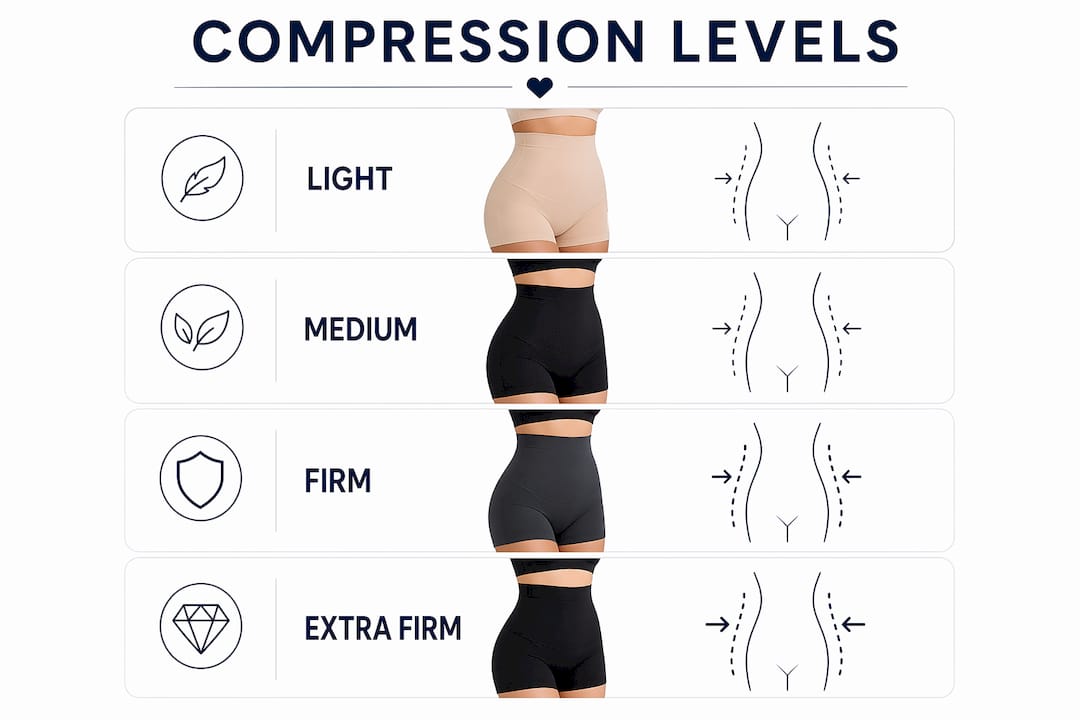
The table below shows how compression levels relate to shapewear function:
| Compression level | Pressure range | Primary effect |
|---|---|---|
| Light | 8–15 mmHg | Smoothing, minor contouring |
| Moderate | 15–20 mmHg | Visible shaping, curve definition |
| Firm | 20–30 mmHg | Strong sculpting, posture support |
| Extra firm | 30+ mmHg | Medical-grade, not typical fashion use |
Fabric plays a direct role in how well compression holds up throughout the day. Fabrics with 31% elastane content nearly fully recover stress after stretching, which keeps compression stable during wear. Lower elastane content means the garment relaxes and loses its shaping effect within hours. This is why elastane percentage matters when you are shopping, not just the feel in your hands.
Pro Tip: Check the fabric composition label before buying. Aim for at least 25 to 30 percent elastane or spandex content for shapewear that holds its compression through a full day of wear.
What makes skin tone shapewear optically invisible?
The invisibility principle behind skin tone shapewear draws from the same science as adaptive camouflage. Penn State researchers studying programmable smart synthetic skin found that minimizing optical contrast, meaning differences in light, dark, and surface reflectance, is what makes a material blend into its background until triggered. Shapewear uses the same logic passively. When the garment’s color, texture, and reflectance closely match your skin, your eye stops registering it as a separate layer.
Here is how to test invisibility before you wear your shapewear out:
- Put on the shapewear and stand under natural light near a window. Harsh overhead lighting hides problems that daylight reveals.
- Move through your full range of motion: sit, bend forward, twist side to side. Detectability changes with movement, so a garment that looks invisible standing still may show edges when you sit.
- Check the garment edges and seams specifically. Visible lines at the hem or waistband break the illusion faster than color mismatch.
- Try the outfit you plan to wear over it. Fabric weight and color of your outer layer affects how much the shapewear shows through.
- Test in both indoor and outdoor lighting if you will be moving between environments. A match that works indoors can look off in bright sunlight.
Fabric surface smoothness also matters here. Textured or ribbed shapewear creates micro-shadows that read as a separate layer under thin fabrics. Smooth, matte fabrics with no visible texture pattern blend more cleanly against skin and reduce the chance of showing through.
Does fit matter as much as color and compression?
Fit is where most shapewear fails, and it is rarely the garment’s fault. Improper sizing leads to visible lines due to gaps between the garment and skin rather than any flaw in the shapewear itself. When the garment does not make full contact with your body, compression becomes uneven, and the edges become visible.
Body shape adds another layer of complexity. Anatomical concavities, like the natural curve of your lower back or the indent at your waist, reduce direct garment-to-skin contact. This causes pressure drops in those zones, which can create visible lines or bunching even in well-made shapewear. Knowing your body’s specific contours helps you choose styles that account for them.
Here is what to keep in mind when selecting your fit:
- Size up if you are between sizes. Shapewear that is too tight rolls, bunches, and creates the exact lines you are trying to avoid
- Choose styles designed for your body shape. High-waisted briefs work differently than full bodysuits, and the right style for your shape makes a real difference. The shapewear fit guide at Ilovenichewear breaks this down by body type
- Pay attention to shapewear sizing specifics before ordering, since shapewear consistently runs smaller than standard clothing sizes
- Prioritize smooth, flat seams or seamless construction at the hem and waistband to prevent visible lines under fitted clothing
Graduated pressure combined with smooth fabric contact reduces rolling and discomfort while maintaining shaping and invisibility. Extreme tightness does not improve results. It makes them worse.
Key takeaways
Skin tone shapewear works because it combines precise undertone matching with graduated compression and smooth fabric contact to create an optically invisible, body-smoothing layer under clothing.
| Point | Details |
|---|---|
| Undertone matching is critical | Match undertone, not just shade depth, to make shapewear truly disappear against your skin. |
| Graduated compression shapes without altering | Multi-level pressure redistributes soft tissue for a smoother silhouette without permanent body change. |
| Elastane content drives durability | Fabrics with 25 to 30 percent or more elastane maintain compression and shape throughout the day. |
| Fit determines invisibility | Gaps from poor sizing cause visible lines. Size up when in doubt and choose styles suited to your body shape. |
| Test in real conditions | Check invisibility in natural light, during movement, and under your actual outfit before wearing out. |
Why I think undertone is the most underrated part of this conversation
I have spent a lot of time thinking about why some people swear by skin tone shapewear and others dismiss it as useless. Almost every time someone says it “doesn’t work,” the real issue is undertone mismatch, not compression failure. They picked a shade that looked close in the package but carried the wrong undertone for their skin, and the garment read as a completely different color under their clothes.
The compression science is real and it matters. But color matching is what makes the whole thing feel effortless. When you get both right, the shapewear genuinely disappears. You stop thinking about it. Your clothes sit better, your confidence goes up, and that is the actual benefit of shapewear that nobody talks about enough. It is not about hiding your body. It is about wearing your clothes the way you want to wear them, without distraction.
The body positivity angle here is worth saying clearly: shapewear is a tool, not a requirement. When it works well, it works because it is invisible and comfortable, not because it is squeezing you into something you are not. Finding the right undertone and the right fit is how you get there.
— I
Find your perfect match at Ilovenichewear
Ready to put this into practice? Ilovenichewear carries a thoughtfully selected range of skin tone shapewear designed with diverse shades and undertones in mind, so you are not stuck choosing from a single “nude” that works for almost nobody.
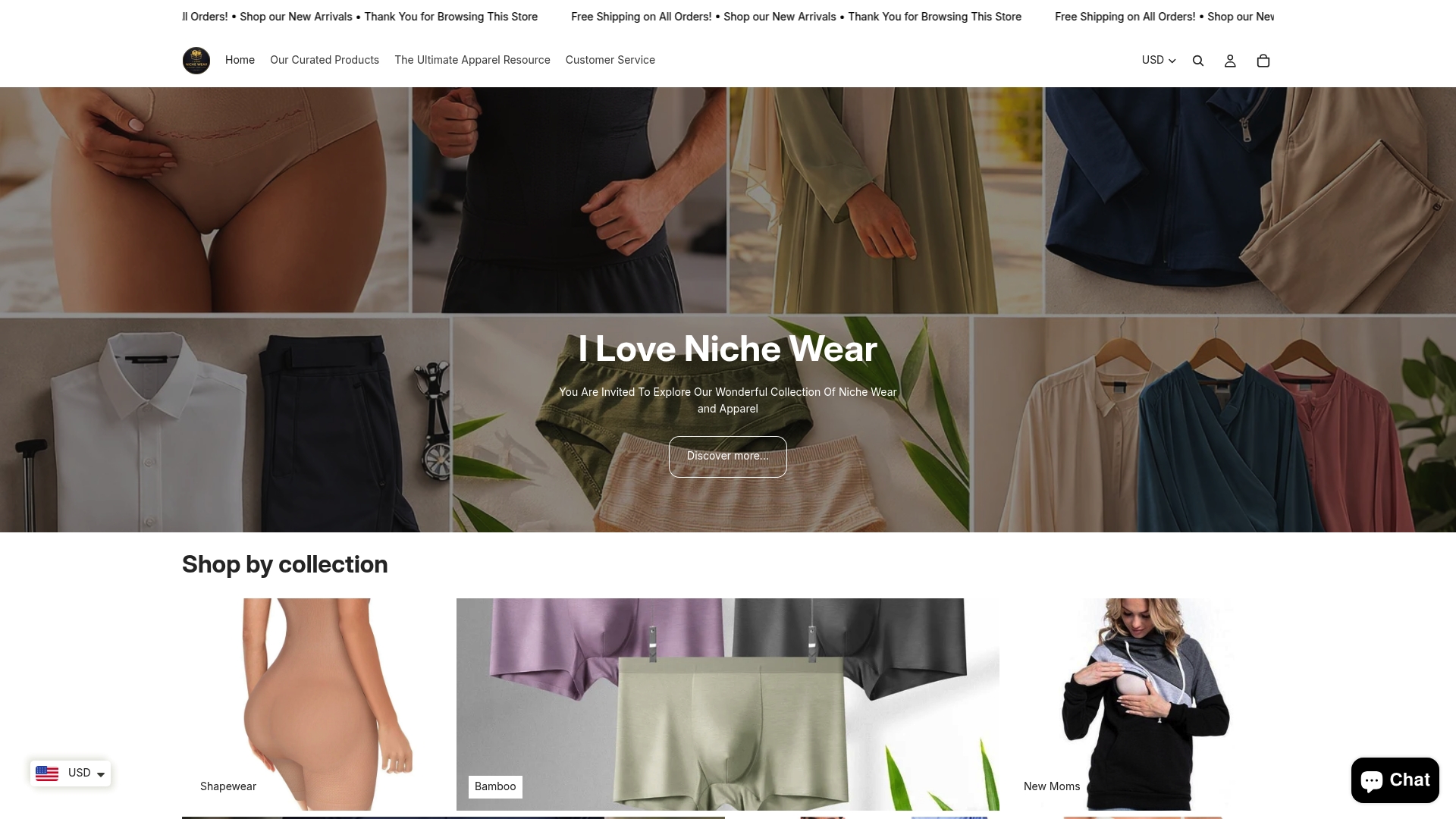
The collection includes options with high elastane content for all-day compression stability, smooth seamless construction to eliminate visible lines, and styles suited to different body shapes. Whether you are looking for a full bodysuit or a high-waisted brief, you will find something that fits the way shapewear is supposed to fit. Browse the full shapewear collection at Ilovenichewear and find the shade and style that works for you.
FAQ
Does skin tone shapewear actually work?
Yes. Shapewear smooths and compresses soft tissue to create a flatter, cleaner surface under clothing instantly, though it does not permanently change body shape.
Why does my nude shapewear look visible under my clothes?
Undertone mismatch is the most common cause. When the garment’s undertone does not match your skin’s undertone, it reads as a different color cast even if the shade looks similar.
What elastane percentage should I look for in shapewear?
Look for at least 25 to 30 percent elastane or spandex. Fabrics with 31% elastane nearly fully recover stress after stretching, which keeps compression stable throughout the day.
How do I know if my shapewear fits correctly?
Shapewear should make full contact with your skin without rolling, bunching, or creating visible lines at the edges. If you see lines or feel the garment rolling down, size up and check that the style suits your body shape.
Can shapewear look invisible in all lighting conditions?
Not automatically. Detectability changes with lighting and movement, so test your shapewear in natural daylight and while moving before wearing it out to confirm it blends in your specific conditions.