
Seamless shapewear under tight dresses is defined as a category of body-smoothing undergarments constructed without raised seams, designed to create an invisible, line-free silhouette beneath fitted clothing. The industry term for this garment type is “no-VPL shapewear,” where VPL stands for visible panty line. Whether you’re wearing a bodycon dress to a wedding, a crepe gown to a gala, or a slit dress to a birthday dinner, the right shapewear makes the difference between feeling polished and feeling distracted. Brands like Marks & Spencer and SPANX have built entire product lines around this need, using circular knit construction and moisture-wicking fabrics to keep smoothing invisible and comfortable all night.
What makes seamless shapewear invisible under tight dresses?
The most important feature in seamless shapewear under tight dresses is a no-VPL finish. This means the garment’s edges lie flat against your skin without creating ridges that show through fabric. The M&S Light Control Seamless Shaping Body uses exactly this construction, with a smooth finish specifically designed for invisibility under lightweight clothing.
Circular knit construction is the technical foundation behind truly invisible shapewear. Unlike cut-and-sew garments that join panels with raised seams, circular knitting produces a single continuous tube of fabric with no seam interruptions. That means no ridges, no lines, and no bumps showing through your dress.
Breathability is the second major factor, and it works differently than most people expect. Breathable shapewear achieves airflow through strategic knit patterns and moisture-wicking finishes, not through thinner fabric. Thinner fabric simply reduces compression without improving comfort. Technologies like M&S Cool Comfort™ combine compression with moisture management, keeping you cool during long events without sacrificing smoothing power.
Here are the key features to look for when shopping:
- No-VPL finish: Flat, bonded, or laser-cut edges that lie flush against skin
- Circular knit construction: No raised seam panels that create ridges under fabric
- Moisture-wicking fabric: Pulls sweat away from skin to prevent heat buildup
- Zoned compression: Firmer panels at the tummy and waist, lighter fabric at the thighs
- Adjustable straps: Prevent twisting and keep the garment aligned throughout the day
- Open gusset: Allows bathroom use without removing or shifting the entire garment
Pro Tip: Hold your shapewear up to a lamp before buying. If you can see the seam construction clearly from the outside, it will likely show under a tight dress.
How to choose the best shapewear style for your tight dress
The garment type you choose matters as much as the fabric. Bodysuits, smoothing shorts, camis, and all-in-one options each serve a different dress style and body area. Choosing the wrong type is one of the most common reasons shapewear shows or shifts.
Here’s how to match style to dress type:
- Bodycon or mini dress: Choose a high-waist smoothing short or a full bodysuit. These cover the tummy, hips, and thighs without adding bulk at the hemline.
- Backless or low-back dress: Look for a low-back bodysuit or a high-waist short with a low-rise back panel. Standard bodysuits with wide back straps will show.
- Slit dress: A mid-thigh smoothing short works well here. Avoid full-length options that might peek out at the slit.
- Crepe or structured gown: A firm control all-in-one is your best option. The M&S Body Sculpt Firm Control Seamless All In One features adjustable straps and an open gusset, making it practical for long events.
- Wrap or jersey dress: Light control is usually enough. Heavy compression under a draped fabric can create unwanted bunching.
Compression level is the other major decision. Light smoothing works for most body types and dress fabrics. Firm control targets the tummy and waist more aggressively. Extreme tummy control is the most intense option, but stylist testing across 27 shapewear styles confirms that compression is not a “more is better” situation. The right level is the one that smooths without restricting circulation or causing visible bulges at the garment’s edges.
| Dress type | Recommended shapewear | Compression level |
|---|---|---|
| Bodycon or mini | High-waist short or bodysuit | Light to firm |
| Backless gown | Low-back bodysuit | Light to firm |
| Slit dress | Mid-thigh smoothing short | Light |
| Crepe or structured gown | Firm control all-in-one | Firm |
| Wrap or jersey dress | Cami or light smoothing short | Light |
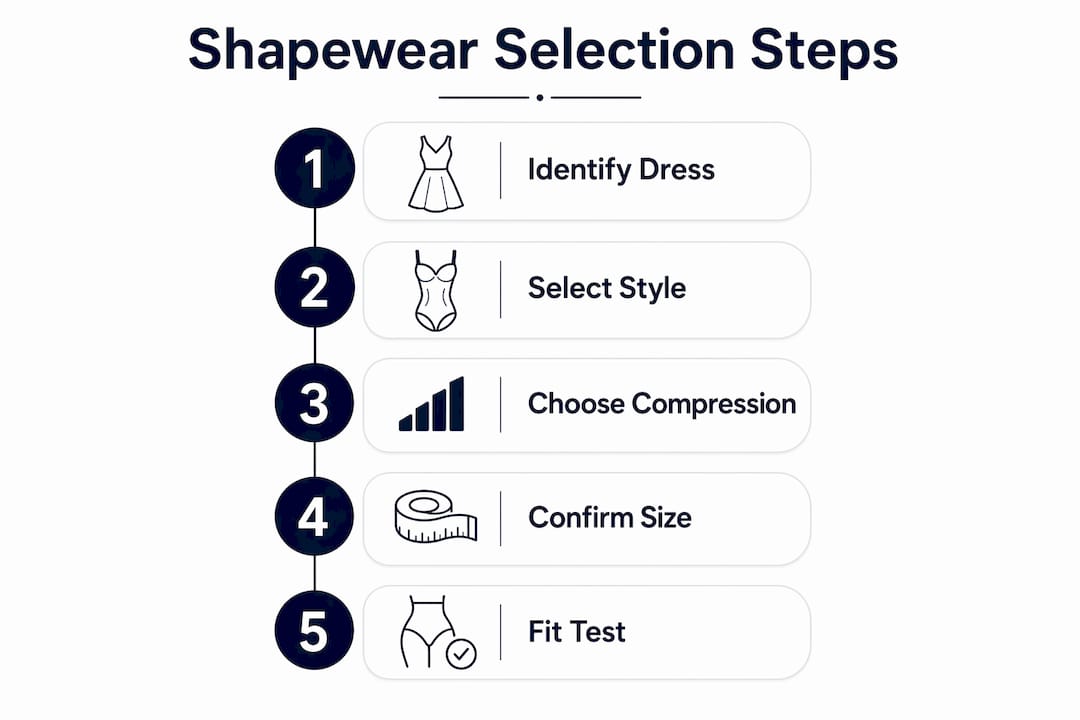
Sizing is where most people go wrong. If you fall between sizes, size up rather than down. Shapewear that is too small creates compression ridges at the edges, which show through tight fabric far more than a slightly looser fit would. You can also explore a shapewear style guide to compare contouring options across different garment types.
Pro Tip: Bring your actual dress to your fitting or try shapewear on at home while wearing the dress. Shapewear that feels fine in underwear alone often behaves differently under a fitted garment.
How to fit and test your shapewear before event day
Testing shapewear at home before your event is not optional. Movement testing that includes walking, sitting, and standing in natural light is the most reliable way to confirm that your shapewear stays invisible and comfortable throughout the night.
Follow this step-by-step home test:
- Put on your shapewear and dress together, not separately.
- Stand in front of a window in natural daylight and look for seam ridges or fabric bunching.
- Use your smartphone camera to take a photo from the side and back. Cameras catch seam lines that mirrors miss.
- Sit down fully and stand back up three times. Check that the garment does not roll down at the waist or ride up at the thighs.
- Walk across the room, then sit again. Any shifting at this stage will only get worse after hours of wear.
- Bend forward to pick something up. This tests whether the back of the garment stays in place.
After the movement test, check these specific details:
- Waistband: Should sit flat, not dig in or create a visible ridge above the hip
- Leg openings: Should lie smooth without cutting into the thigh
- Straps: Should not twist or pull the garment out of alignment
- Gusset: Should be accessible without removing the garment entirely
Experienced fitters call this the “living room test.” If your shapewear passes every motion check at home under natural light, you can wear it to any event with real confidence.
Bathroom practicality is something most people forget until it is too late. An open gusset design solves this completely. Without one, you will need to remove the garment every time you use the restroom, which risks misalignment and visible lines for the rest of the evening.
Common mistakes when wearing shapewear under tight dresses
The most frequent mistake is buying shapewear that is too small. Many people assume tighter means smoother. It does not. Shapewear that compresses too aggressively creates visible ridges at the garment’s edges, which show through tight fabric as bumps rather than a smooth line. The fix is simple: choose the correct size, and size up if you are between sizes.
Here are the other mistakes worth avoiding:
- Ignoring fabric compatibility: Thin jersey or crepe dresses reveal every seam and edge. These fabrics require the most precisely finished shapewear, ideally with laser-cut or bonded edges.
- Skipping the movement test: Shapewear that looks fine standing still often shifts, rolls, or bunches during movement. Testing at home prevents event-day surprises.
- Choosing the wrong garment type: A full bodysuit under a slit dress risks the hem showing at the leg opening. Match the shapewear length and cut to your dress.
- Overlooking adjustable features: Shapewear without adjustable straps twists out of position. Once it shifts, it creates visible lines and discomfort that are hard to fix mid-event.
- Wearing it for the first time on event day: New shapewear needs a test run. Fabric softens slightly after the first wear, and you need to know how it behaves before you are wearing it for six hours.
Pro Tip: If you notice a visible line at the top of your shapewear through your dress, try a longer cami or bodysuit style instead of a short. The line disappears when the garment extends past the dress’s tightest point.
For more detail on keeping lines invisible, the avoiding visible shapewear lines guide covers fabric-specific tips and product choices worth reading before your next event.
Key takeaways
The best seamless shapewear under tight dresses balances no-VPL construction, breathable fabric technology, and practical design features like open gussets and adjustable straps.
| Point | Details |
|---|---|
| No-VPL construction is non-negotiable | Flat, bonded edges are the only way to stay invisible under tight fabric. |
| Match garment type to dress style | Bodysuits, shorts, and all-in-ones each suit different necklines, hemlines, and slits. |
| Size up when between sizes | Shapewear that is too small creates compression ridges that show through tight dresses. |
| Always run a home movement test | Walk, sit, and photograph yourself in natural light before event day to catch any shifting. |
| Practical features matter as much as smoothing | Open gussets and adjustable straps keep shapewear comfortable and aligned for hours. |
What I’ve learned from wearing shapewear to real events
I used to think the firmest shapewear was always the smartest choice for a big event. After wearing a firm control bodysuit to a five-hour wedding reception, I changed my mind completely. By hour three, the waistband was digging in, I was overheating, and I was far more focused on my discomfort than on enjoying the evening. The dress looked great in photos. I felt miserable.
The lesson I took from that night is that comfort and control are not opposites. They are the same goal. Shapewear that smooths your silhouette but makes you fidget, sweat, or rush to the bathroom every hour is not doing its job. The best shapewear you can wear to an event is the one you forget you have on.
I now test every piece at home for at least 30 minutes before committing to it for an event. I walk around, sit on different chairs, and take photos in natural light. That test has saved me from more than one bad decision. The smartphone camera trick is genuinely useful. Your eyes adjust to what you expect to see in a mirror. The camera does not.
My other strong opinion: adjustable straps are worth paying more for. Fixed straps twist. Twisted straps pull the garment sideways. A sideways garment creates visible lines and discomfort that you cannot fix without going to the restroom and starting over. Adjustable straps take 10 seconds to set correctly and stay put all night.
The confidence boost from properly fitted shapewear is real, but it only works when the fit is actually right. Get the size correct, test the movement, and choose breathable fabric. That combination works every time.
— I
Find your perfect fit at Ilovenichewear
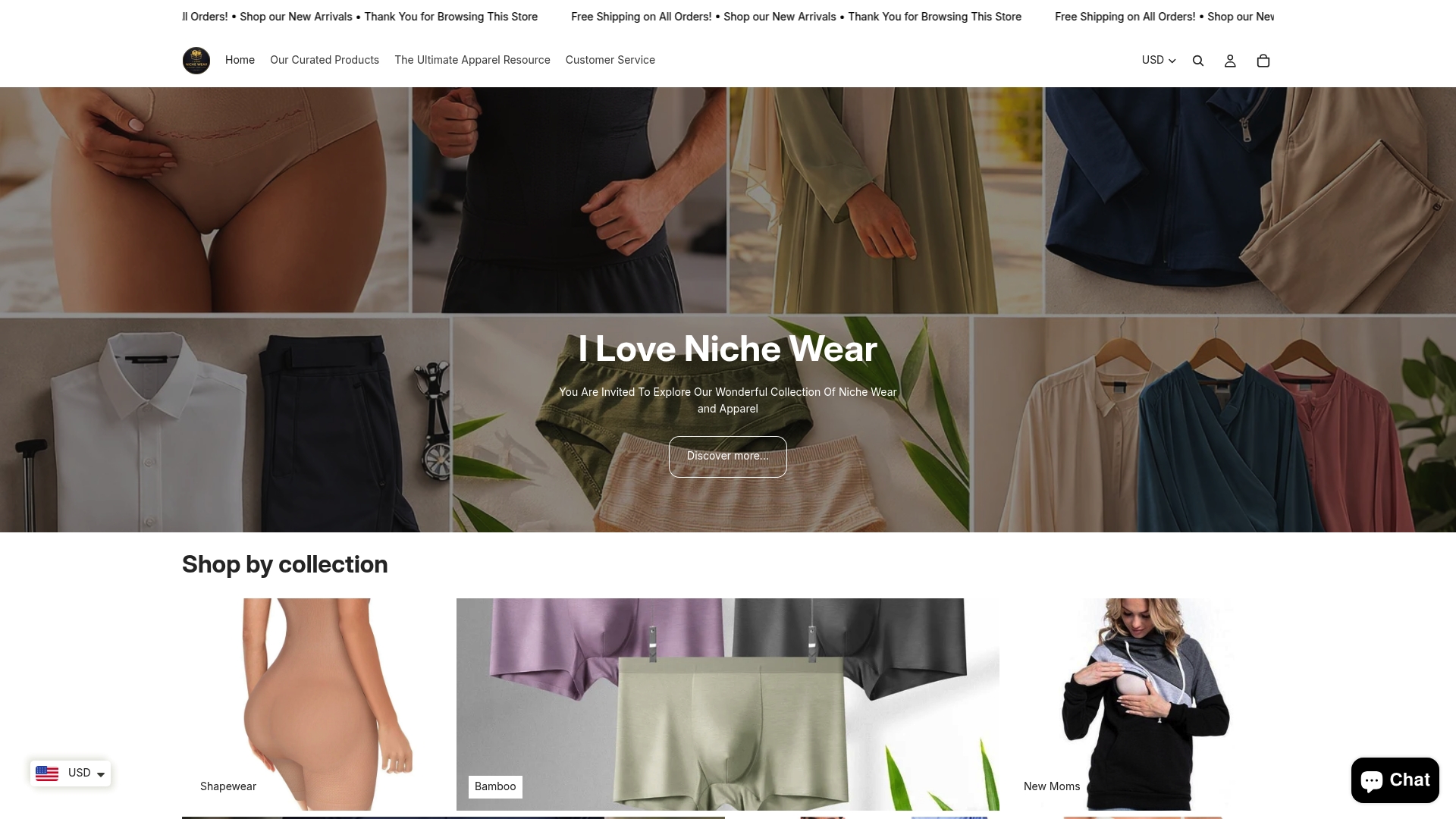
You deserve to feel comfortable and confident at every special event, and the right shapewear makes that happen. At Ilovenichewear, the shapewear collection is built around exactly what you need: breathable fabrics, no-VPL finishes, and styles that work under bodycon dresses, gowns, and everything in between. Whether you want light smoothing for a cocktail dress or firm control for a structured gown, there is a style and compression level that fits your event and your comfort. Explore the full range at Ilovenichewear and find the piece that lets you enjoy your night without thinking twice about what is underneath.
FAQ
What is the best shapewear style for a bodycon dress?
A high-waist smoothing short or a full bodysuit with a no-VPL finish works best under a bodycon dress. These styles cover the tummy and hips without adding visible bulk at the hemline.
How do I stop shapewear from rolling down under a tight dress?
Sizing up when between sizes and choosing shapewear with adjustable straps prevents rolling. Shapewear that is too small loses its grip at the waistband and rolls down during movement.
Does seamless shapewear really stay invisible under tight fabric?
Yes, when it uses circular knit construction and laser-cut or bonded edges. Garments with raised seam panels will show through thin or tight fabric regardless of color.
What compression level should I choose for a special event?
Light to firm control is the right range for most events. Extreme compression causes discomfort over long wear and can create visible bulges at garment edges rather than a smooth line.
How do I know if my shapewear will show under my dress?
Put on both the shapewear and the dress together, then take a photo in natural light from the side and back. This is the most reliable way to spot seam ridges or fabric bunching before event day.