
Shapewear layering for summer heat management is the practice of wearing one or more shaping garments in hot weather using breathable fabrics, light compression, and smart wear-time limits to stay comfortable and smooth under summer outfits. Done right, it works beautifully. Done wrong, it turns a fun summer day into an overheated, uncomfortable mess. Brands like Spanx and Skims have pushed fabric technology forward, but the real key is knowing which fabrics, styles, and layering combinations actually keep you cool. This guide gives you the practical framework to wear shapewear confidently all summer long.
What fabrics make shapewear work for summer layering?
The fabric is the single most important factor in summer shapewear. Marketing words like “breathable” and “cooling” mean nothing without specific technical features behind them.
Fabric weight, measured in grams per square meter (GSM), directly controls how much heat a garment traps. Fabric weight between 180–220 GSM balances effective compression with heat management. Below 180 GSM, the garment loses meaningful compression. Above 220 GSM, it traps heat and makes summer wear miserable. That narrow window is where the best summer shapewear lives.
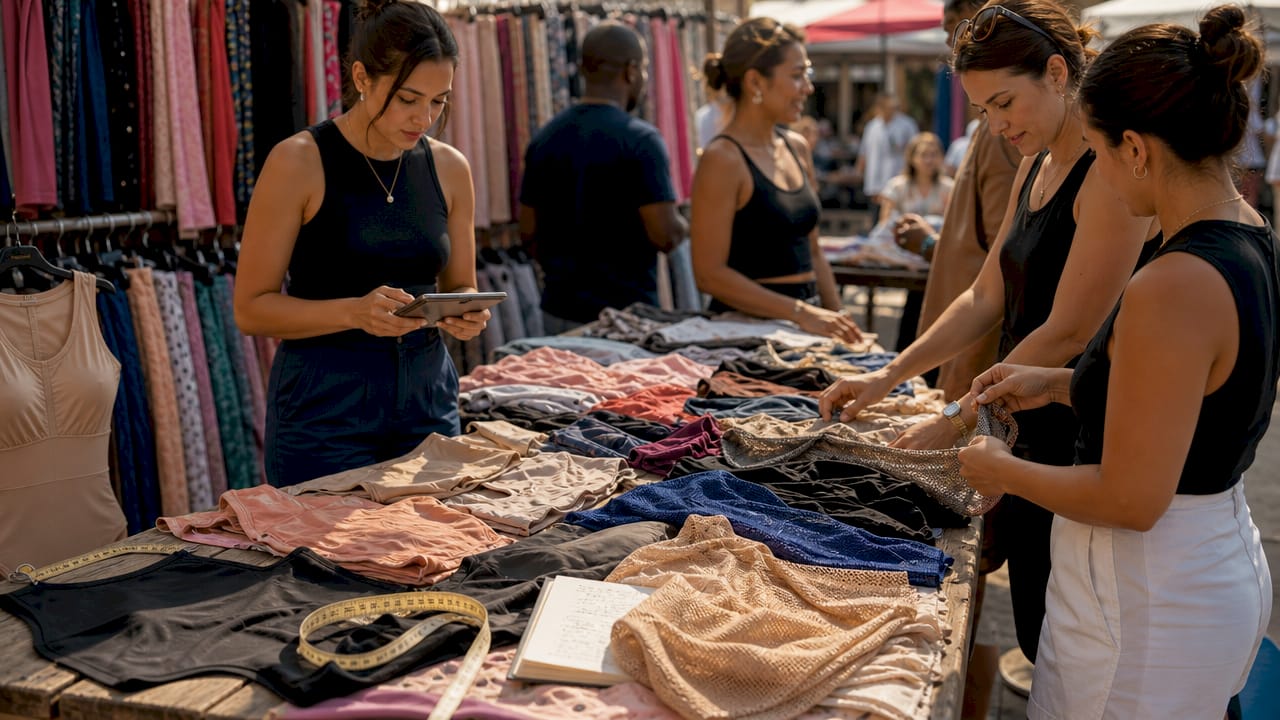
Fiber blend matters just as much as weight. Nylon-spandex blends breathe better than polyester blends at similar fabric weights. Nylon pulls moisture away from the skin more efficiently than polyester, which tends to hold heat close to the body. Cotton blends feel soft but stretch less and take longer to dry. Bamboo fabric is naturally temperature-regulating and gentle on sensitive skin, though it offers less compression than synthetic blends.
Mesh panels are the most underrated feature in summer shapewear. Mesh panels in high-heat areas like the lower back and sides enhance airflow without compromising compression. The ideal mesh hole size sits between 1–3mm. Larger holes reduce structure. Smaller holes block airflow. Strategic placement matters too. A mesh panel on the stomach does little for cooling. Mesh on the lower back and inner thighs, where heat concentrates, makes a real difference.
- Nylon-spandex blends: Best overall breathability and moisture management for summer
- Bamboo blends: Naturally cooling, anti-bacterial, and gentle on skin
- Cotton blends: Comfortable but slower to dry; better for low-activity days
- Polyester blends: Avoid in summer; traps heat and holds moisture against skin
- Mesh panels: Look for 1–3mm holes placed at the lower back, sides, and inner thighs
Seamless circular knitting also plays a big role. Seamless construction eliminates thick seams that dig into skin and trap heat at contact points. It keeps the garment smooth against your body, which reduces friction and visible lines under light summer fabrics.
Pro Tip: When shopping for summer shapewear, flip the garment inside out and hold it up to light. A genuinely breathable fabric will show visible texture or mesh zones. A flat, opaque fabric with no variation traps heat regardless of what the label claims.
How to layer shapewear effectively without overheating
Layering shapewear in summer is not about stacking as many pieces as possible. It is about choosing the right combination for your outfit and your body’s heat tolerance.
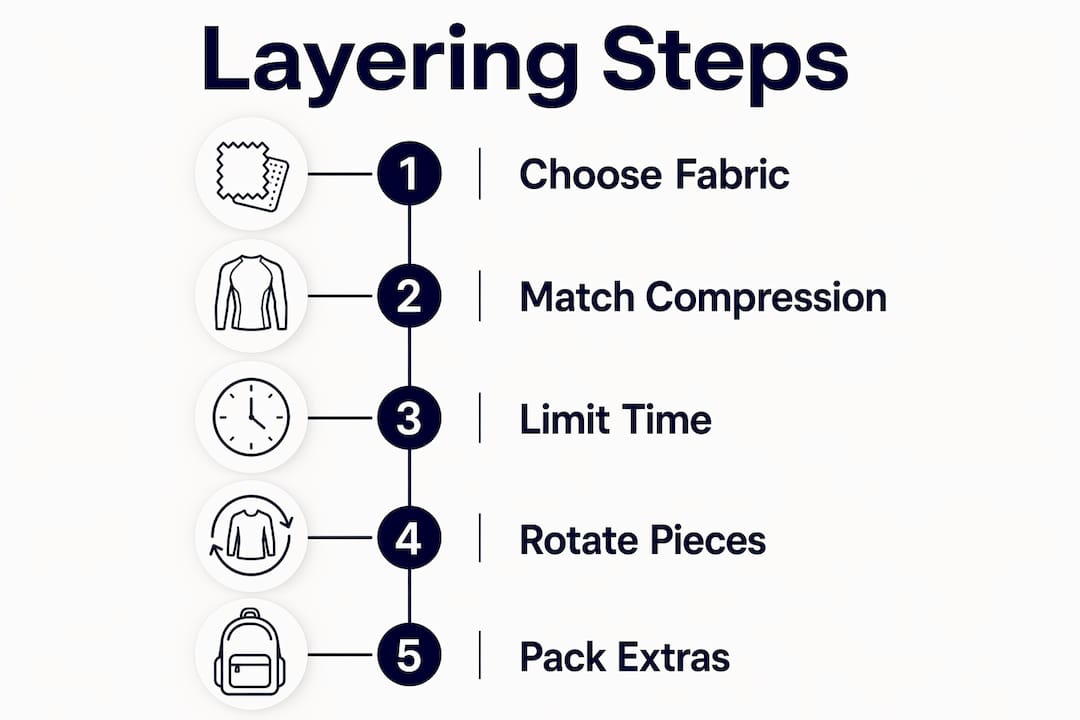
Start with light control, not heavy compression. High compression shapewear causes heat discomfort in summer. Light control or smoothing pieces give you a polished silhouette without the heat buildup that firm compression creates. Save the heavy-duty pieces for cooler months or air-conditioned events.
Here is a practical layering sequence for summer:
- Start with a moisture-wicking base. A seamless, lightweight camisole or smoothing brief worn directly against skin manages sweat and prevents the outer shapewear layer from sticking.
- Add one shaping piece, not two. A single light-control bodysuit or shaping shorts layer is enough for most summer outfits. Two compression layers double the heat.
- Choose the right style for your outfit. Shaping shorts work under dresses and skirts. A camisole shaper works under blouses and blazers. A bodysuit works under high-waisted pants or skirts.
- Check the fit before you leave the house. Shapewear that rolls down, bunches, or digs in at the waist will only get worse as heat and movement increase throughout the day.
- Plan your wear time. Set a mental limit before you go out. Know when you will be able to remove or adjust the garment.
“The goal of summer shapewear layering is a smooth, comfortable silhouette, not maximum compression. One well-chosen piece in the right fabric does more than two layers of the wrong material.”
Wear time is a health consideration, not just a comfort one. Limiting shapewear to a maximum of 8 hours per session in hot weather reduces the risk of UTIs, skin irritation, and digestive discomfort. That limit applies even more strictly in heat, when sweat and friction accelerate skin irritation.
Pro Tip: Pack a lightweight tote bag with a breathable change of clothes for long summer days. Swapping out your shapewear layer after 6–7 hours keeps you comfortable and protects your skin.
Shapewear styles compared for summer heat
Different shapewear styles perform very differently in summer heat. Choosing the right style for your outfit and activity level is as important as choosing the right fabric.
| Style | Compression level | Breathability | Best summer use |
|---|---|---|---|
| Shaping shorts | Light to medium | Good with mesh panels | Under dresses, skirts, wide-leg pants |
| Bodysuit | Light to medium | Moderate; depends on fabric | Under blouses, blazers, fitted tops |
| Camisole shaper | Light | Best overall for heat | Under sheer tops, layered outfits |
| Thong shaper | Light | Good; minimal coverage | Under fitted dresses, no visible lines |
| High-waist brief | Medium | Moderate | Under midi skirts, high-waist bottoms |
Shaping shorts are the most versatile summer option. They cover the thighs, which reduces chafing, and pair with almost any bottom-heavy outfit. Look for shorts with mesh side panels and a wide, flat waistband that does not roll.
Camisole shapers offer the lightest heat load of any shapewear style. They smooth the torso without adding compression to the hips or thighs, which keeps the lower body cooler. They also double as a base layer under sheer summer tops, which means you get two functions from one garment.
Bodysuits work well in air-conditioned settings but can feel restrictive outdoors in peak heat. If you wear a bodysuit in summer, choose one in a lightweight, moisture-wicking fabric with mesh ventilation zones at the back and underarms.
Common mistakes when layering shapewear in summer heat
The most common mistake is choosing the wrong compression level. Heavy-duty shaping pieces are designed for cooler weather and controlled environments. Wearing them in summer heat leads to overheating, skin irritation, and visible sweat marks on outer clothing.
The second most common mistake is ignoring wear-time limits. Wearing shapewear daily or overnight is discouraged by medical professionals. Skin needs breaks to breathe and recover, especially in summer when sweat and heat increase friction and bacterial growth. Taking breaks between wears supports skin health and prevents infections.
Watch for these warning signs that your shapewear is too tight or worn too long:
- Skin redness or indentation marks after removing the garment
- Numbness or tingling in the thighs or abdomen
- Difficulty taking a full breath when seated
- Persistent itching or rash along the garment edges
- Digestive discomfort or bloating that worsens throughout the day
Care habits also affect breathability over time. Wash shapewear after every wear in summer. Sweat residue breaks down elastic fibers and reduces the fabric’s moisture-wicking ability. Hand washing in cool water preserves the fabric structure better than machine washing. Always air dry. Heat from a dryer degrades spandex and reduces compression.
Pro Tip: Rotate between at least two shapewear pieces so each garment gets a full 24 hours to air out between wears. This extends the life of the fabric and keeps the moisture-wicking finish working longer.
Adjusting your layering approach for different activities also matters. A brunch outfit in an air-conditioned restaurant can handle a bodysuit. A beach wedding in july heat calls for a light camisole shaper or shaping thong at most. Match the garment to the environment, not just the outfit.
Key takeaways
Breathable shapewear layering in summer works when you match fabric weight, compression level, and wear time to the heat conditions you are actually in.
| Point | Details |
|---|---|
| Fabric weight matters | Choose shapewear in the 180–220 GSM range for compression without heat buildup. |
| Nylon-spandex wins | Nylon-spandex blends breathe better than polyester at the same fabric weight. |
| Mesh panels are key | Look for 1–3mm mesh holes at the lower back, sides, and inner thighs for real airflow. |
| Limit wear to 8 hours | Exceeding 8 hours in summer heat raises the risk of skin irritation and UTIs. |
| One layer is enough | A single light-control piece outperforms two compression layers in hot weather. |
What I’ve learned from years of watching shapewear choices go wrong in summer
The advice I keep coming back to is this: most people buy shapewear for how it looks in the dressing room, not how it feels after six hours in july heat. That gap between the fitting room and real life is where most summer shapewear mistakes happen.
I have seen people choose firm compression bodysuits for outdoor weddings and spend the reception miserable. I have also seen people write off shapewear entirely after one bad experience with the wrong fabric. Both outcomes are avoidable.
The shapewear health considerations around wear time are not overcautious. They reflect real physiology. Your skin needs airflow. Your digestive system needs space. Compression that feels fine at 10 a.m. can feel genuinely painful by 4 p.m. in summer heat.
My honest recommendation is to treat summer shapewear like sunscreen. Choose the right level for the conditions, apply it thoughtfully, and reapply or remove it when the situation changes. A light-control camisole shaper in a nylon-spandex blend with mesh panels is almost always the right call for summer. It smooths, it breathes, and it does not punish you for wearing it.
The double-layer fabric approach some brands use for targeted shaping can work in summer if the outer layer is mesh. But a double layer of solid fabric in summer heat is a recipe for discomfort. Know what you are buying before you commit to wearing it all day.
— I
Breathable summer shapewear at Ilovenichewear
Ilovenichewear carries shapewear and apparel built for real summer comfort, not just the fitting room.
The collection includes lightweight, seamless options and breathable cotton-linen pieces that pair naturally with shaping layers. The Easy Breezy Cotton Linen Midi Dress is a perfect outer layer over a light camisole shaper, giving you a smooth silhouette without any added heat. For a full look at what works for summer layering, browse the Ilovenichewear collection and find pieces that make every warm-weather day feel easy and put-together.
FAQ
What is the best shapewear fabric for summer heat?
Nylon-spandex blends in the 180–220 GSM range offer the best balance of compression and breathability for summer. Look for mesh panels at the lower back and sides for added airflow.
How long can you safely wear shapewear in summer?
Medical professionals recommend limiting shapewear wear to a maximum of 8 hours per session in hot weather. Exceeding that raises the risk of skin irritation, UTIs, and digestive discomfort.
Can you layer two shapewear pieces in summer?
One light-control piece is the recommended approach for summer. Stacking two compression layers doubles heat retention and increases the risk of overheating and skin irritation.
What shapewear style is best under a summer dress?
Shaping shorts with mesh side panels are the most practical choice under summer dresses. They prevent thigh chafing, stay smooth under lightweight fabrics, and offer light control without heavy compression.
How do you keep shapewear breathable over time?
Wash shapewear after every wear in summer using cool water and air dry it completely. Rotate between at least two pieces so each garment gets 24 hours to air out between wears.