
Shapewear silhouette correction is the use of specially engineered garments to compress, smooth, and contour the body, creating a more flattering shape without surgery or exercise. Brands like Spanx and Skims built entire markets around this concept, and science backs the results. Research from IUH confirms that abdominal shapewear reduces circumference by 0.6% to 5.2% depending on garment type and wear time. That range matters because it shows the effect is real, measurable, and consistent across a full 12-hour wear cycle. Whether you want to smooth a waistline under a fitted dress or lift and contour for a special event, understanding how shapewear works helps you choose smarter and feel more comfortable all day.
Shapewear silhouette correction: what types exist and how do they differ?
The shapewear category covers several distinct garment styles, each designed to address a specific body zone or coverage need. Knowing the difference between them is the first step toward getting the silhouette result you actually want.
High waist shapers cover the abdomen up to just below the bust, making them the most versatile option for everyday wear under jeans, skirts, or casual dresses. Body shapers and bodysuits extend coverage from the torso all the way to the thighs, giving you full-torso smoothing that works best for fitted gowns or event outfits. Waist cinchers focus compression exclusively at the midsection, targeting the natural waist without covering the hips or bust. Butt lifters use strategic panel placement and fabric tension to lift and round the seat without adding bulk.
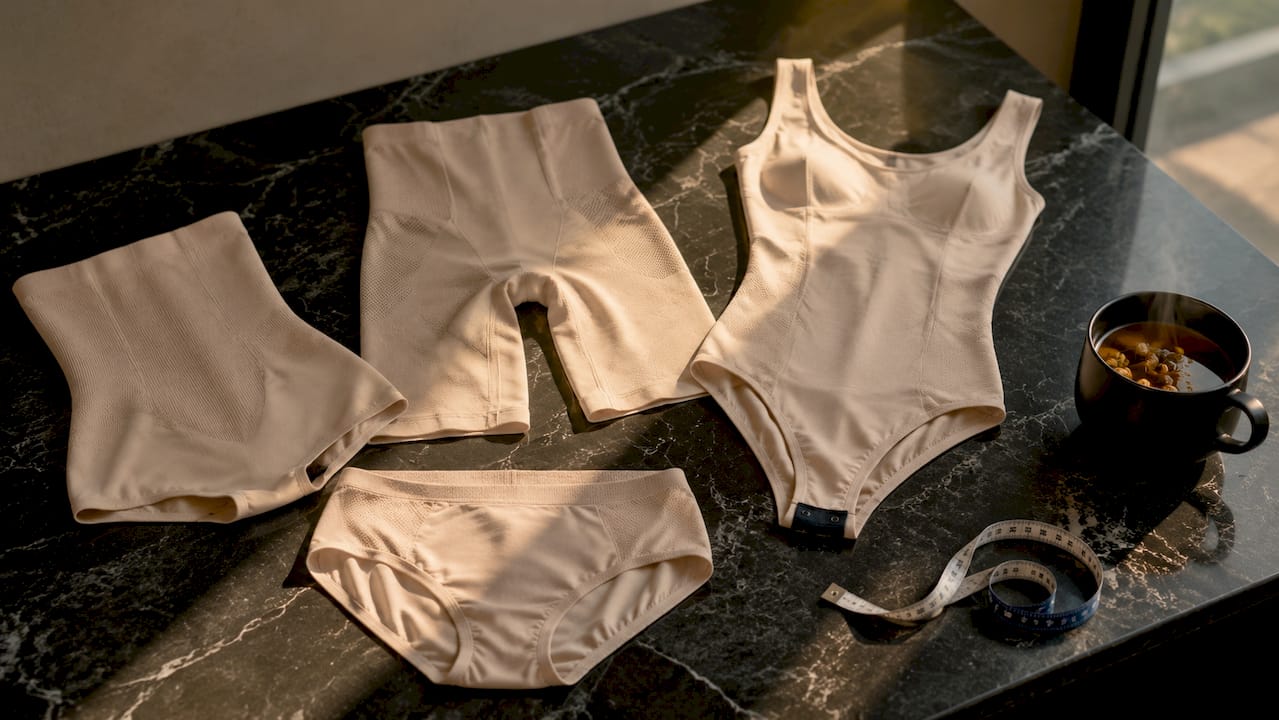
Here is a quick comparison to help you match garment type to your goal:
| Shapewear type | Coverage area | Best use case |
|---|---|---|
| High waist shaper | Abdomen to below bust | Everyday wear, casual and workwear |
| Bodysuit / body shaper | Full torso to thighs | Formal events, fitted dresses |
| Waist cincher | Waist only | Targeted midsection definition |
| Butt lifter | Seat and hips | Lift and curve enhancement |
| Thigh shaper | Hips to mid-thigh | Anti-chafe, thigh smoothing |
One distinction worth knowing: waist trainers differ from shapewear in a meaningful way. Waist trainers apply sustained, targeted compression at the waist and are considered specialized shaping tools rather than general undergarments. Standard shapewear offers broader coverage and lighter, more wearable compression across multiple zones. Mixing up the two leads to over-compression in the wrong areas, which affects both comfort and results.
- High waist shapers are the go-to for daily wear because they pair with almost any outfit.
- Bodysuits deliver the most complete silhouette correction for formal or event styling.
- Waist cinchers work well when you want definition without full-body coverage.
- Butt lifters add shape without padding, using fabric tension alone.
How does compression level and fabric technology shape your silhouette?
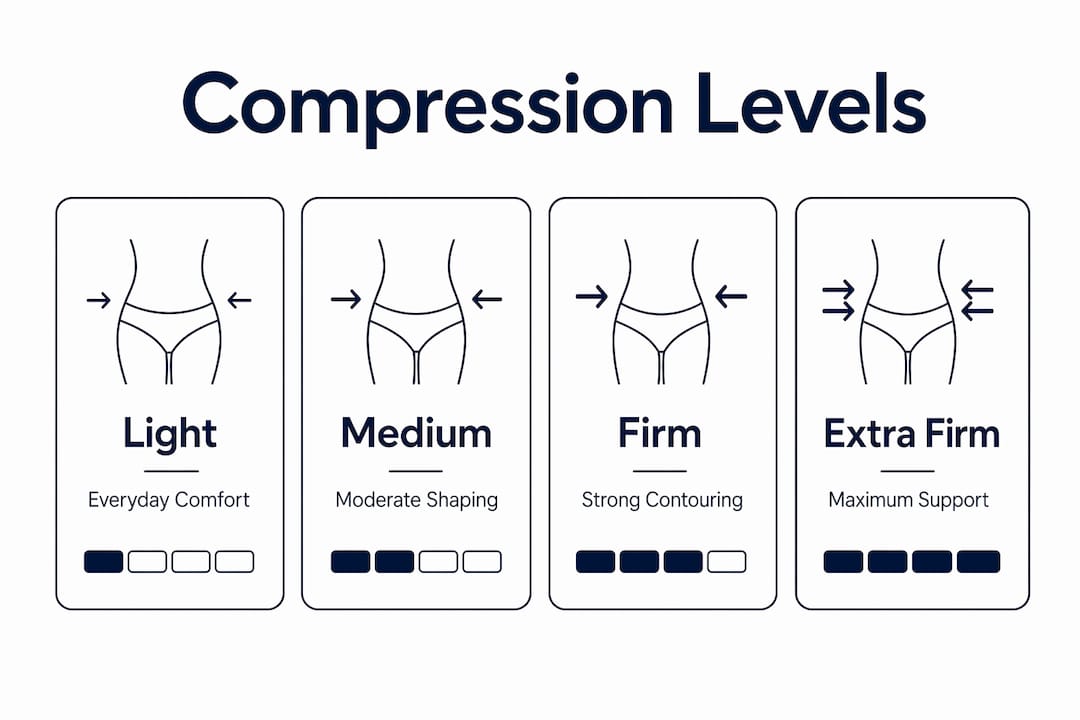
Not all shapewear compresses equally, and that difference is where most people go wrong. Compression tiers range from light to extra strong, each suited to a different wear scenario and shaping goal.
- Light compression smooths minor lines and is comfortable enough for all-day wear at work or casual outings.
- Medium compression firms the midsection and hips noticeably, making it the most popular choice for everyday shaping.
- Firm compression delivers visible contouring for special events like weddings or parties, but is best worn for shorter periods.
- Extra strong compression is reserved for red-carpet moments or short-term waist training and should not be worn daily.
Fabric composition drives how well each tier performs. Most quality shapewear uses a blend of spandex (also called elastane) and polyamide (nylon). Spandex provides the stretch and recovery that holds compression steady throughout the day. Polyamide adds durability, softness against skin, and moisture management. The IUH study found that shaping ability stays stable across a 12-hour wear cycle, which confirms that a well-made garment maintains its effect without losing tension by afternoon. That said, shaping ability does decline slightly after multiple wash-wear cycles, so garment lifespan is a real factor in long-term performance.
Pro Tip: Always choose the lowest compression level that meets your shaping goal. Higher compression does not automatically mean better results. It often means less comfort, shorter wear time, and a higher chance you will take the garment off before the day ends.
The science behind skin-tone shapewear adds another layer to fabric selection. Seamless construction and skin-matching tones reduce visible lines under clothing, which is just as important as the compression itself for a polished look.
What are the fit and safety rules you need to follow?
Fit is not just about comfort. It directly determines whether your shapewear actually corrects your silhouette or simply sits on your body doing nothing. A survey of 373 people using compression garments for lipoedema found that one in four wearers stopped using them because of fit problems, most commonly garments slipping or falling down. The same principle applies to cosmetic shapewear. A garment that rolls down at the waist or bunches at the thighs is not shaping anything.
Getting fit right means paying attention to a few specific signals:
- The waistband should sit flat and stay put through movement, sitting, and bending.
- No fabric should dig into skin or create visible ridges under clothing.
- You should be able to breathe normally and take a full, comfortable breath.
- Leg openings should not cut into thighs or leave marks after removal.
Safety becomes a separate and serious concern when compression garments are worn by people with certain health conditions. Compression is contraindicated for conditions including critical limb ischemia, acute deep vein thrombosis, decompensated heart failure, and arterial insufficiency. These are absolute restrictions, not suggestions. If you have any vascular, cardiac, or circulatory condition, medical clearance before wearing shapewear is not optional.
Cosmetic shapewear and medical compression garments are not the same product. Medical-grade compression is calibrated in millimeters of mercury (mmHg) and prescribed for therapeutic purposes. Cosmetic shapewear uses general compression tiers without clinical measurement. Treating them as interchangeable can cause harm, particularly for anyone with underlying health risks. For a full breakdown of when shapewear is and is not safe, the shapewear health considerations guide at Ilovenichewear covers the key checkpoints clearly.
Pro Tip: If your shapewear leaves deep red marks on your skin after removal, it is too tight. Snug is correct. Restrictive is not.
How to choose the best shapewear for your body type and goals
Selecting shapewear that actually works starts with three measurements: waist circumference, hip circumference, and torso length. These three numbers tell you more than your clothing size alone, because sizing runs small across many brands and sizing charts vary significantly between manufacturers. Buying based on your dress size without measuring first is the single most common reason shapewear fails to deliver.
Follow these steps to match shapewear to your body and outfit:
- Measure your waist at the narrowest point, typically one inch above the navel, using a soft measuring tape.
- Measure your hips at the fullest point, usually 7 to 9 inches below the natural waist.
- Measure your torso length from the base of your neck to the top of your hip bone to determine whether a bodysuit will fit your frame without pulling.
- Match garment type to your outfit. A high waist shaper works under trousers or midi skirts. A bodysuit is the better choice under a fitted dress or jumpsuit.
- Select compression level based on wear time. If you are wearing shapewear for eight or more hours, light to medium compression keeps you comfortable. Firm compression is for events of four hours or less.
- Check the brand’s size chart specifically, not just general sizing. Ilovenichewear’s guide on shapewear for different body shapes walks through how to read size charts and match them to your measurements accurately.
- Never size down to get more compression. A garment that is too small rolls, bunches, and creates the visible lines you were trying to avoid. The right size in a firm-compression garment delivers better results than the wrong size in an extra-strong one.
One more tip worth noting: if you are shopping for shapewear to wear under a specific outfit, bring that outfit or a photo of it. The silhouette of the clothing determines which coverage area and garment cut you need. A backless dress, for example, rules out most bodysuits and points you toward a high-waist brief or thigh shaper instead.
Key takeaways
Shapewear silhouette correction works through targeted compression, fabric technology, and correct fit working together. Without all three, results are inconsistent.
| Point | Details |
|---|---|
| Compression reduces circumference | Research confirms a 0.6% to 5.2% reduction in abdominal circumference with stable shaping over 12 hours. |
| Garment type determines coverage | Match high waist shapers to daily wear and bodysuits to formal events for the best silhouette result. |
| Fit drives compliance | One in four compression garment users quit due to fit issues; a garment that slips shapes nothing. |
| Compression level affects wear time | Light compression suits all-day wear; firm and extra-strong are for short-term or event use only. |
| Safety requires medical awareness | Compression is contraindicated for certain vascular and cardiac conditions; seek clearance when in doubt. |
Why I think most people overcomplicate shapewear
After spending years paying close attention to how people shop for and wear shapewear, the pattern I see most often is this: shoppers focus almost entirely on compression strength and almost not at all on fit. They assume that tighter equals better, so they size down, squeeze into extra-strong garments, and then wonder why they feel uncomfortable or why the garment rolls by noon.
The research tells a different story. A well-fitted medium-compression garment worn correctly for eight hours outperforms an ill-fitting extra-strong one worn for three hours before being taken off in frustration. The IUH data on shaping stability over a full wear cycle supports this directly. The garment that stays on and stays in place is the one doing the work.
I also think the safety conversation gets skipped too often. Most people buying cosmetic shapewear are healthy and have nothing to worry about. But the line between cosmetic compression and medical compression is real, and it matters for anyone with circulation issues, post-surgical recovery needs, or cardiovascular conditions. Knowing that line is not scary. It is just smart.
My honest recommendation: start with your measurements, not your dress size. Choose the lowest compression that meets your goal. And give yourself permission to prioritize comfort. A shapewear piece you actually enjoy wearing will do far more for your silhouette than one you dread putting on.
— I
Find your perfect fit at Ilovenichewear
Ready to put this into practice? Ilovenichewear carries a thoughtfully selected range of shapewear designed with real comfort and fit in mind, from everyday high waist shapers to full-coverage bodysuits built for special occasions.
Whether you are looking for light smoothing under your favorite jeans or firm support for a big event, the Ilovenichewear shapewear collection has options across compression levels and body types. The postpartum bodysuit shaper is a customer favorite for everyday sculpting with a comfortable, stay-put fit. Every piece comes with free shipping, so you can find your fit without the pressure. Shop now and discover shapewear that actually works for your body.
FAQ
What is shapewear silhouette correction?
Shapewear silhouette correction is the process of using compression garments to smooth, contour, and reshape the body’s appearance. Research confirms abdominal shapewear can reduce circumference by up to 5.2% in a single wear cycle.
How long can you safely wear shapewear each day?
Light to medium compression shapewear is safe for all-day wear of eight or more hours. Firm and extra-strong compression garments are best limited to four hours or less to avoid discomfort and circulation issues.
Does shapewear size matter that much?
Sizing accuracy is critical because mis-sizing reduces both effectiveness and comfort. Always measure your waist, hips, and torso length and compare to the brand’s specific size chart rather than relying on your clothing size alone.
Is shapewear the same as a medical compression garment?
No. Cosmetic shapewear uses general compression tiers for aesthetic shaping, while medical compression garments are calibrated in mmHg and prescribed for therapeutic conditions. Using them interchangeably can be unsafe for people with vascular or cardiac conditions.
Why does my shapewear keep rolling down?
Rolling is almost always a fit issue. A garment that is too large or cut for a different torso length will not stay in place. Check your torso measurement against the size chart and consider a style with a higher waistband or silicone grip strip for better hold.