
Silicone grip bands are defined as narrow strips of medical-grade silicone sewn into shapewear at key contact points to anchor the garment against your skin. The role of silicone grip bands in shapewear is straightforward: they stop the garment from rolling down, slipping up, or bunching during movement. Without them, even well-constructed shapewear relies on fabric tension alone, which loses the battle against gravity and body heat over the course of a long day. Industry testing with 80 real women in july 2026 confirmed that garments with silicone grips stay positioned significantly better during high-movement events like weddings. If you have ever tugged at your waistband mid-reception, you already understand why this small strip of material matters so much.
How silicone grip bands work to keep shapewear in place
Silicone grip bands function through a combination of surface tack and flexibility. Unlike fabric, silicone creates light friction against skin without adhesive, which means it grips without sticking permanently or pulling when you move. That balance is what makes the material so effective in a garment you wear for eight or more hours.
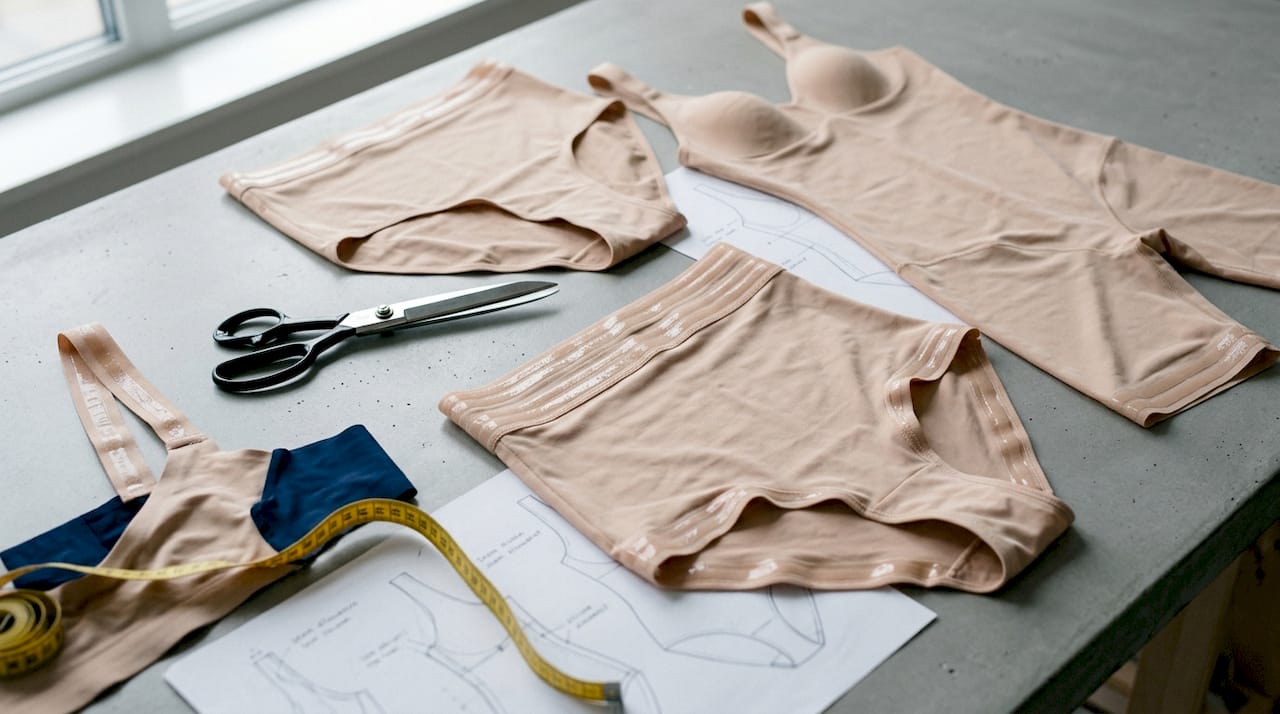
The placement of these bands is deliberate. Manufacturers position them along waistbands, leg openings, and strap edges because those are the points where shapewear is most likely to shift. A waistband without a grip strip tends to fold or roll inward under compression. A leg opening without one creeps upward during walking. The grip band at each of these edges acts like a soft anchor, holding the garment’s perimeter flush against your skin.
Medical-grade silicone is the standard used in quality shapewear because it balances grip strength with skin health. Lower-grade silicone can feel stiff or cause irritation over time. Medical-grade formulations stay pliable, breathe reasonably well, and do not trigger reactions for most skin types. That distinction matters when you are wearing a garment against bare skin for a full day.
Silicone grip bands also work best when paired with other structural elements. High-quality shapewear integrates silicone bands alongside compression panels and side boning, creating a layered system where each component reinforces the others. The grip band holds the edge in place, the compression panel distributes pressure evenly, and boning prevents the garment from collapsing or twisting.
- Skin contact: The silicone strip presses lightly against your skin, creating friction without adhesive.
- Edge anchoring: The band locks the garment’s perimeter at waistbands and leg openings.
- Movement response: Silicone flexes with your body rather than resisting it, so grip holds through bending and sitting.
- Layered support: Grip bands work alongside compression panels and boning for full garment stability.
Pro Tip: Apply your shapewear to completely dry skin. Even a light layer of body lotion at the grip points reduces the silicone’s tack noticeably, and you will feel the difference within the first hour of wear.
What are the benefits of shapewear with silicone grip bands?
The most immediate benefit is that you stop thinking about your shapewear. When a garment stays put, you are not pulling at your waistband during dinner or adjusting your hem between dances. That freedom is the real advantage of silicone grip bands for body shaping: the garment does the work quietly, without demanding your attention.
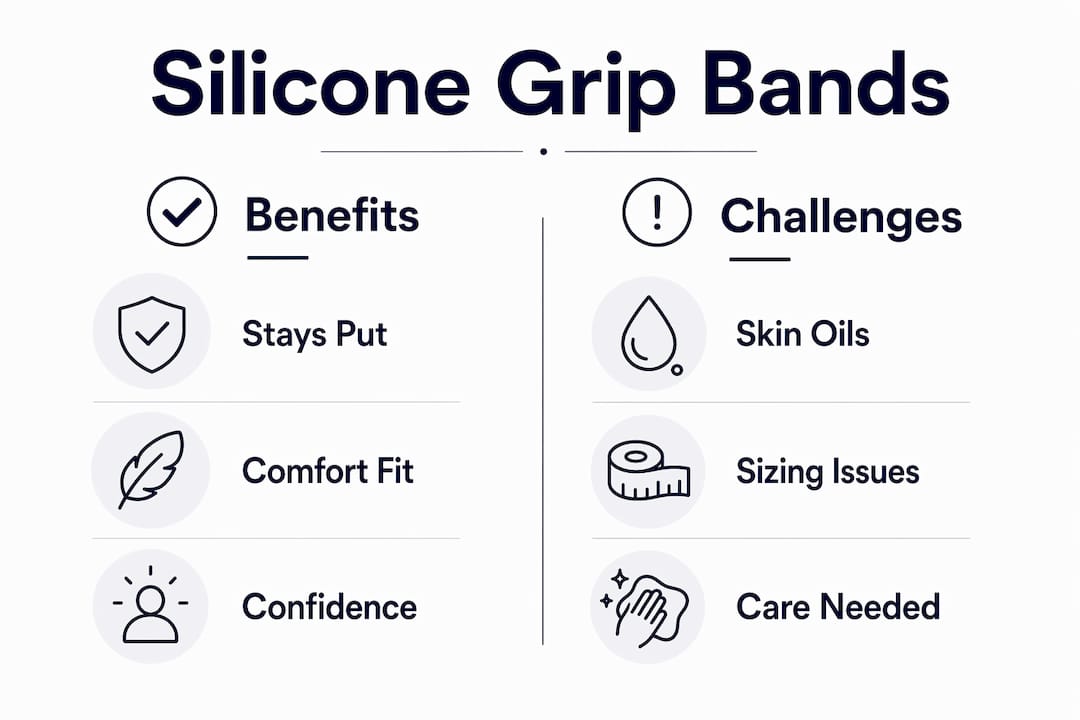
- Reduced rolling and tugging: Silicone grip bands prevent the waistband from folding inward, which is the most common complaint with compression garments during extended wear.
- Consistent silhouette: A garment that stays positioned delivers the same shaping effect at hour eight as it did at hour one. Shifting shapewear loses its smoothing effect as panels move off target.
- Confidence at events: Consumer reports from the 2026 testing panel highlight that garments with silicone grips felt more reliable under sustained movement, which translated directly into wearer confidence.
- Less skin irritation: Constant readjustment causes fabric to rub repeatedly against the same skin areas. A garment that holds still eliminates that friction cycle.
- Better fit under clothing: Shapewear that stays in place creates a cleaner line under dresses and formal gowns, since there are no ridges from rolled fabric.
The confidence factor deserves its own moment. Wearing shapewear to a wedding, a formal event, or a long workday already requires some trust in the garment. When that garment shifts, the trust breaks and the discomfort becomes a distraction. Silicone grip bands are the feature that keeps that trust intact across hours of wear. For anyone choosing shapewear for a wedding, this is not a nice-to-have feature. It is the one that determines whether the garment actually works on the day.
What are the common challenges with silicone grip bands?
Silicone grip bands lose effectiveness when exposed to skin oils, lotions, and sweat. The surface tack that creates friction against dry skin gets coated by oily residue, and the grip weakens. Care recommendations consistently point to keeping skin dry at grip contact points as the single most effective way to maintain hold throughout the day.
- Lotions and body oils: Apply moisturizer well before putting on shapewear, and avoid applying it directly to areas where grip bands will sit.
- Incorrect sizing: Sizing is the most underestimated factor. Sizing issues often cause rolling even when silicone grips are present. A garment that is too large has excess fabric that folds regardless of grip. One that is too tight creates pressure that pushes the band out of position.
- Sweat during activity: Light sweat can temporarily reduce tack. If you are wearing shapewear during a physically active event, look for garments with wider grip bands that cover more surface area.
- Washing damage: Fabric softeners coat the silicone surface and permanently reduce its grip. Always wash shapewear without softener to protect the bands.
- Persistent slipping: If slipping continues despite correct sizing and dry skin, bodysuits offer a structural alternative. Their shoulder straps anchor the garment from above, removing the reliance on waistband grip entirely.
Pro Tip: Before a big event, wash your shapewear the night before without fabric softener and let it air dry completely. Fresh, clean silicone grips perform noticeably better than grips coated with residue from previous wears.
How to select and care for shapewear with silicone grip bands
Choosing the right shapewear starts with knowing what to look for in the grip itself. Run your finger along the inside waistband and leg openings before buying. A quality silicone grip band feels slightly tacky, not slippery or stiff. If the band feels thin or barely raised from the fabric, it will not provide meaningful hold under real conditions.
- Check grip placement: Look for bands at both the waistband and leg openings. A garment with grip only at the waist will still shift at the hem.
- Size accurately: Use a shapewear sizing guide to measure your waist, hips, and thighs before ordering. Grip bands cannot compensate for a garment that does not fit your body.
- Try it on and move: Sit, bend, and walk while wearing the garment in the fitting room or at home during a return window. The grip should hold through all three movements without digging in.
- Match the garment to the occasion: For formal events and all-day wear, prioritize garments with wider silicone bands and layered compression. For lighter daily use, a narrower band in a softer fabric works well.
- Wash with care: Hand wash or use a delicate machine cycle with cold water. Skip fabric softener entirely. Silicone grips require gentle washing to maintain their tack and extend the garment’s useful life.
| Occasion | Recommended grip type |
|---|---|
| Wedding or formal event | Wide silicone band with compression panels and boning |
| Daily office wear | Narrow silicone band in a lightweight, breathable fabric |
| Active use or travel | Wider band with moisture-wicking fabric to offset sweat |
| Under fitted dresses | Full-perimeter grip at waist and leg openings for a clean line |
For different body shapes, the grip band location matters as much as the band width. Pear-shaped bodies benefit most from strong leg-opening grips, while apple-shaped bodies need a firm waistband grip to prevent rolling at the midsection. Ilovenichewear’s guide on shapewear for different body shapes breaks this down in detail if you want to match grip placement to your specific fit needs.
Key Takeaways
Silicone grip bands are the single most effective structural feature for preventing shapewear from rolling, slipping, or shifting during all-day wear.
| Point | Details |
|---|---|
| Grip bands anchor shapewear | Medical-grade silicone creates friction at waistbands and leg openings to hold the garment in place. |
| Sizing determines grip success | Even the best silicone bands cannot fix a garment that is too large or too small for your body. |
| Skin prep affects performance | Dry, lotion-free skin at grip contact points gives silicone bands their best hold throughout the day. |
| Care preserves tack | Washing without fabric softener and air drying keeps silicone grips effective over time. |
| Bodysuits offer an alternative | When waistband grips are not enough, bodysuit straps anchor the garment from the top down. |
What I have learned from watching silicone grips evolve in shapewear
When silicone grip bands first appeared widely in shapewear, they were thin, stiff, and often the first thing to fail after a few washes. The early versions worked in theory but frustrated people in practice because the grip degraded quickly and left a rough texture against the skin. The shift to medical-grade silicone formulations changed that entirely.
What I find most interesting now is how often people blame the grip band when the real problem is sizing. A garment that is one size too large will roll no matter how good the silicone is. The grip band holds the edge against skin, but it cannot hold excess fabric that has nowhere to anchor. Getting the size right is the step that makes every other feature work.
The other mistake I see consistently is applying body lotion right before putting on shapewear. People do it out of habit, and then wonder why the garment shifts by noon. Silicone grip bands need dry skin to function. That one change in routine makes a bigger difference than upgrading to a more expensive garment.
Looking ahead, I expect grip band technology to move toward wider, perforated silicone strips that allow more airflow while maintaining tack. Some newer garments already use this approach, and the comfort improvement is real. The future of shapewear grip is not stronger silicone. It is smarter placement and better breathability.
— I
Shapewear with silicone grip bands at Ilovenichewear
Ilovenichewear carries shapewear built with the features this article covers: silicone grip bands at the waistband and leg openings, compression panels for consistent shaping, and fabrics selected for all-day comfort.

Whether you are dressing for a wedding, a formal event, or everyday wear, the collection at Ilovenichewear includes options matched to different body shapes and occasions. Every piece is chosen with fit and comfort in mind, so you get the smoothing effect you want without spending the day adjusting your garment. Browse the full collection and find the style that works for your body and your plans.
FAQ
What is the role of silicone grip bands in shapewear?
Silicone grip bands anchor shapewear at the waistband and leg openings by creating friction against the skin, preventing the garment from rolling, slipping, or bunching during wear.
Do silicone bands help shapewear stay in place all day?
Yes, industry testing with 80 women confirmed that shapewear with silicone grip bands stays positioned significantly better than garments relying on fabric tension alone, especially during long events.
Why do silicone grip bands lose their grip?
Skin oils, body lotions, and fabric softener residue coat the silicone surface and reduce its tack. Keeping skin dry at grip contact points and washing without softener restores and maintains performance.
Does sizing affect how well silicone grip bands work?
Sizing is the most common reason grip bands fail. A garment that is too large or too small will shift regardless of grip quality, so accurate measurement before buying is the first step to making grip bands effective.
What is a good alternative when silicone grip bands are not enough?
Bodysuits are the most reliable alternative. Their shoulder straps anchor the garment from above, removing dependence on waistband grip and preventing slipping even during active movement.