
A waist training garment is a tight-fitting compression undergarment designed to slim and shape the waistline when worn. Made from materials like latex, spandex, or nylon, these garments apply firm pressure around the midsection to create an immediate hourglass silhouette. The industry term you’ll see most often is “waist trainer,” though the category also includes waist cinchers and steel-boned corsets. Each type works differently, delivers different results, and suits different goals. If you’re curious about waist training, knowing those differences upfront saves you a lot of guesswork.
What is a waist training garment and how does it work?
A waist training garment works by compressing the soft tissue around your midsection, temporarily redistributing fat and skin to create a slimmer waist appearance. The effect is visual and immediate. The moment you take the garment off, your waist returns to its natural shape. Compression garments like waist trainers do not cause fat cell loss or any permanent body reshaping.
The material of the garment matters more than most people realize. Latex provides firm compression and retains heat around the midsection, which causes you to sweat more in that area during wear. Spandex and nylon blends offer lighter compression with more breathability, making them more comfortable for all-day use. The fabric technology behind each material directly affects how the garment feels, how long you can wear it comfortably, and what results you can realistically expect.
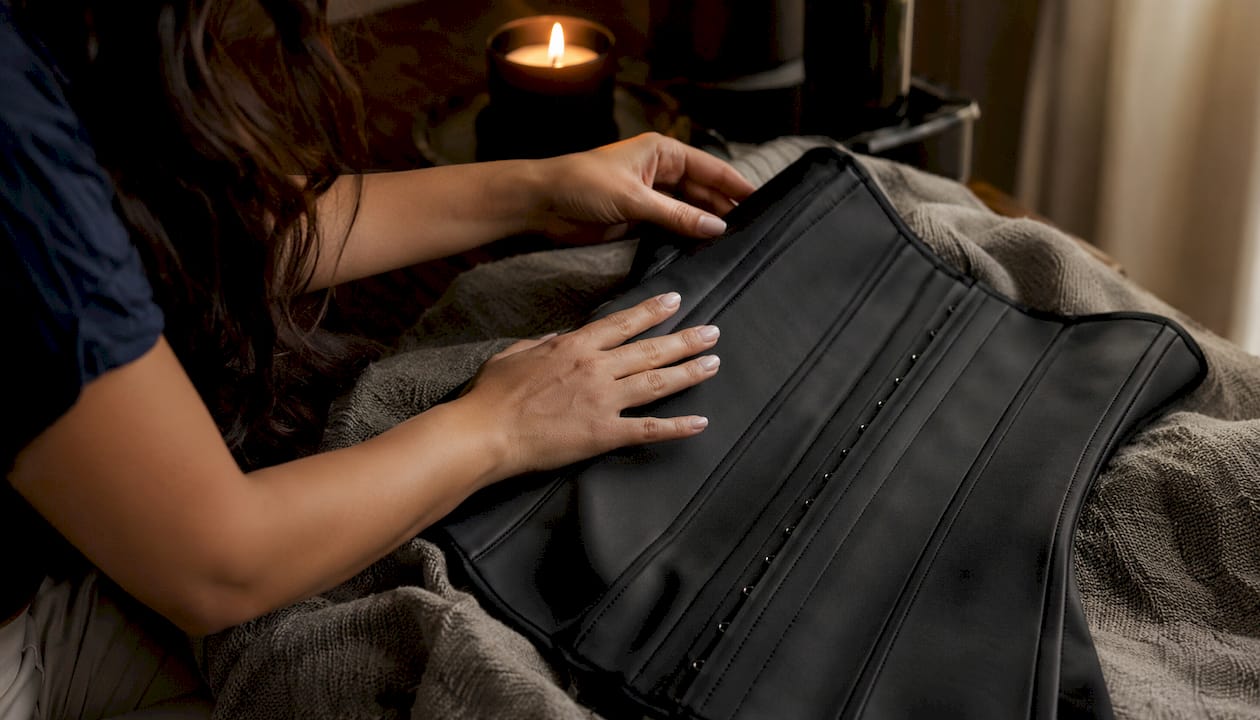
Waist trainers are fitness and posture aids, not medical devices. They do not diagnose, treat, or cure any condition. That distinction matters because it sets realistic expectations before you buy.
What are the different types of waist trainers?
Three main garment types fall under the waist training category. Each has a distinct design, material, and purpose.
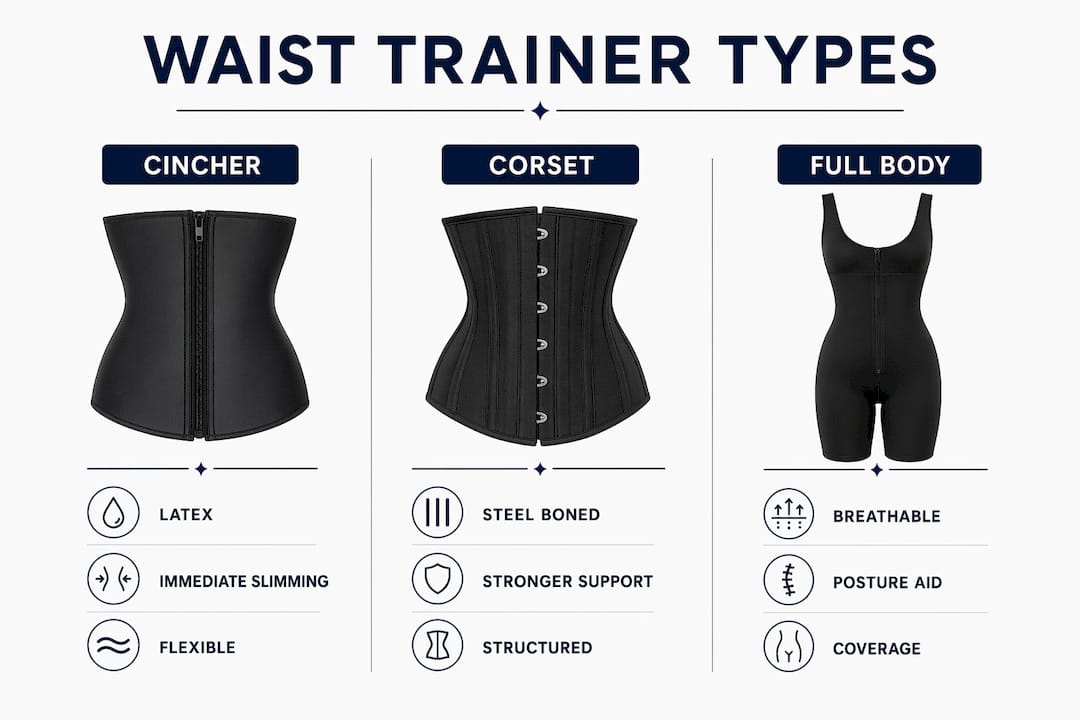
| Garment type | Material | Immediate reduction | Best for |
|---|---|---|---|
| Waist cincher | Latex or spandex | 1–2 inches | Daily wear, workouts |
| Waist trainer corset | Steel-boned fabric | 3–6 inches | Shaping, special occasions |
| Modern workout band | Neoprene or spandex | Minimal | Sweat enhancement, gym use |
Waist cinchers typically provide an immediate 1–2 inch waist reduction while worn. Steel-boned corsets deliver 3–6 inches of immediate reduction and more dramatic curve shaping. That difference comes down to structure. Cinchers flex with your body. Corsets hold a fixed shape using rigid boning.
Here is how the three types compare in practical terms:
- Waist cinchers are shorter garments, usually ending just above the hips. They work well for workouts and casual daily wear because they move with you.
- Waist trainer corsets are longer, more structured, and designed for shaping rather than athletic use. They are the go-to choice for formal events or long-term silhouette training.
- Workout bands focus on heat retention around the core rather than compression. They are not true waist trainers in the traditional sense but are popular at the gym.
You can read more about full-body shapewear styles to see how waist trainers fit into the broader shapewear category.
How effective is waist training, really?
Waist training delivers a clear, immediate visual effect. The compression slims your waist appearance while the garment is on. That is the honest, straightforward answer. The heat generated by latex garments does cause you to sweat more around your midsection, but sweating is water loss, not fat loss. The effect reverses as soon as you rehydrate.
Waist trainers should be viewed as temporary shapewear that enhances your silhouette while worn, not as tools for weight loss. That framing is the most accurate one. Any lasting change in waist size comes from consistent exercise and a healthy diet, not from the garment itself.
Here is what waist training can and cannot do:
- Can do: Create an immediate slimmer waist appearance, support posture during wear, boost confidence for a specific outfit or event.
- Cannot do: Burn fat, permanently shrink your waist, or replace the results of core exercise and nutrition.
Pro Tip: If you want to see real waist training before and after results, look for photos taken without the garment on. Results visible only while wearing the trainer reflect compression, not body change.
The most effective approach combines waist training with regular core workouts and a balanced diet. The garment supports the process. It does not replace it.
How to use a waist trainer safely
Safe use of a waist training garment starts with a gradual wear schedule. Jumping straight to eight hours a day is one of the most common mistakes beginners make. Safe waist training progression starts at 1–2 hours daily in the first week, increases to 2–3 hours in week two, and reaches 3–4 hours by weeks three and four. Extended wear of 6–8 hours daily should only happen after several months of consistent, comfortable use.
Follow these steps to get started safely:
- Measure your waist at navel level. Do not use your jean size. Proper sizing is critical to avoid breathing restriction, skin irritation, and discomfort.
- Consult the brand’s size chart. Sizing varies significantly between garment types and manufacturers.
- Start with 1–2 hours on day one. Pay attention to how your body responds before increasing wear time.
- Check for warning signs. Starting too aggressively can cause dizziness, numbness, and breathing difficulty. Remove the garment immediately if any of these occur.
- Take rest days. Your body needs time without compression to recover and breathe.
The correct wearing technique makes a significant difference in both comfort and results. A garment that fits well should feel snug but never painful. You should be able to take a full breath without strain.
Pro Tip: Wear a thin cotton layer between your skin and a latex waist trainer. It reduces skin irritation and makes the garment much more comfortable for longer sessions.
Waist trainers also help with posture by reminding you to sit and stand straighter. That benefit is real but limited. Relying solely on the garment weakens your natural postural muscles over time. Core-strengthening exercises like planks and Pilates should always run alongside your waist training practice.
What are the real benefits and limitations of waist training?
The benefits of waist training are genuine when you use the garment correctly and keep your expectations realistic.
Real benefits:
- Instant slimming effect for a specific outfit or event
- A visual posture reminder that encourages better alignment
- Increased confidence during wear
- Midsection warmth during workouts, which some people find motivating
Real limitations:
- No permanent waist reduction without diet and exercise
- Potential for skin irritation if worn too long or without a base layer
- Risk of breathing difficulty if sized too small or worn too tightly
- Possible muscle weakening if used as a substitute for core training
Waist trainers are a useful tool for shaping your silhouette and supporting posture while worn. They are not a shortcut to a smaller waist. The people who get the most out of them treat them as one part of a broader fitness and wellness routine, not the whole plan.
Postural benefits exist but must be combined with active core strengthening to avoid muscle weakening over time. That is the most important limitation to understand before committing to regular waist training. You can also review shapewear health considerations for a broader look at safe wear practices.
How to choose the best waist training garment for your needs
Choosing the right garment comes down to three things: your material preference, your intended use, and your correct size.
- Material: Latex waist cinchers adjust well with body shape and provide good compression without being overly tight, making them ideal for beginners and workouts. Spandex and cotton blends suit people with latex sensitivities or those who prefer lighter compression for all-day wear.
- Purpose: If you want a garment for gym sessions, choose a flexible cincher or workout band. For formal events or long-term shaping, a structured corset delivers more dramatic results. For daily posture support, a mid-compression spandex trainer is the most comfortable option.
- Sizing: Measure your waist at navel level. Never size down hoping for more compression. A garment that is too small restricts breathing and causes skin irritation.
A few additional tips to get the most from your garment:
- Hand wash latex garments in cool water and lay flat to dry. Machine washing degrades the material quickly.
- Store your trainer rolled or flat, not folded, to preserve its shape.
- Replace your garment when the compression noticeably decreases. A stretched-out trainer provides little benefit.
If you want guidance on how shapewear fits different body shapes, that resource walks through fitting considerations in detail.
Key Takeaways
A waist training garment creates a temporary slimming effect through compression and works best as part of a broader fitness and posture routine, not as a standalone solution.
| Point | Details |
|---|---|
| Temporary effect only | Compression slims the waist while worn; the effect reverses when you remove the garment. |
| Type determines results | Cinchers reduce 1–2 inches; steel-boned corsets reduce 3–6 inches immediately. |
| Gradual wear is safer | Start at 1–2 hours daily and increase slowly over weeks to avoid dizziness and discomfort. |
| Size correctly | Measure at navel level and follow brand size charts to avoid breathing restriction. |
| Combine with exercise | Posture benefits weaken over time without active core strengthening alongside waist training. |
What I’ve learned from watching people use waist trainers
Most people who are disappointed by waist training set the wrong expectation from the start. They treat the garment as the solution rather than as a support tool. The results they want, a genuinely smaller waist, come from consistent movement, smart eating, and core strength. The trainer helps you feel and look put together while you do that work.
The other mistake I see constantly is over-tightening. People assume tighter means faster results. It does not. A garment that restricts your breathing is working against you, not for you. Discomfort is a signal, not a sign of progress.
What actually works is patience. Wear the garment comfortably, build your wear time gradually, and pair it with exercises that strengthen your core. Planks, dead bugs, and Pilates moves do more for your waistline long-term than any garment worn too tight for too long.
Waist training is a legitimate tool when used with realistic goals and proper technique. The people who get the best results are the ones who treat it as one piece of a healthy routine, not a magic fix.
— I
Quality waist trainers worth wearing, from Ilovenichewear
Ready to find a waist training garment that actually fits your life? Ilovenichewear carries a range of shapewear and waist training options designed for real comfort and everyday wear.
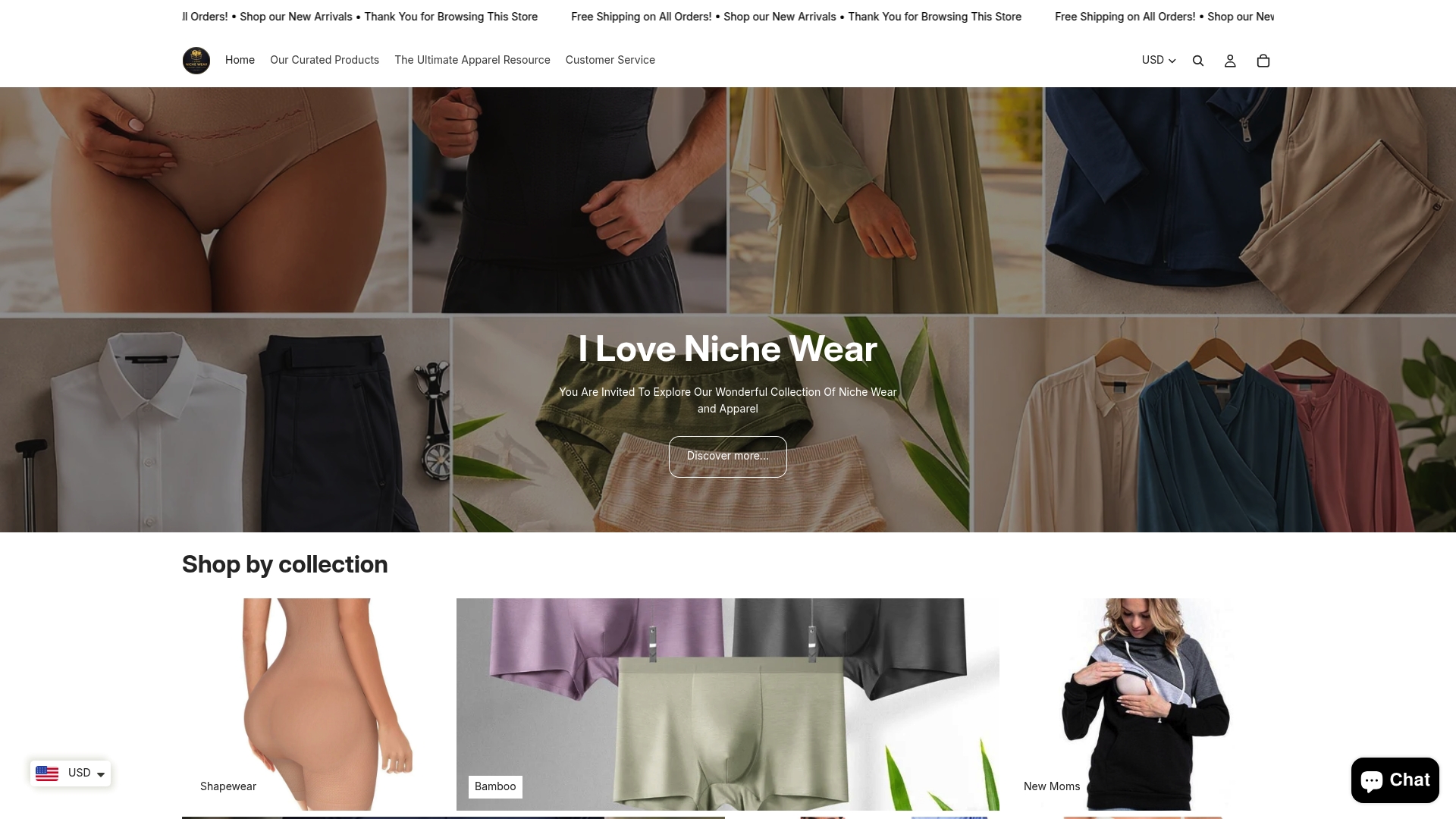
Whether you’re looking for a flexible cincher for the gym, a structured option for a special occasion, or a breathable everyday trainer for posture support, Ilovenichewear has something comfortable and well-made waiting for you. The store also offers helpful style guides to make choosing your fit easy and stress-free. Shop the full collection and find the garment that feels as good as it looks.
FAQ
What is a waist training garment used for?
A waist training garment is used to temporarily slim the waistline through compression, support posture, and enhance your silhouette while worn. It does not permanently reshape the body.
How long should a beginner wear a waist trainer each day?
Beginners should start with 1–2 hours daily in the first week and increase gradually. Wearing too long too soon can cause dizziness, numbness, and breathing difficulty.
What is the difference between a waist cincher and a corset?
A waist cincher is a shorter, flexible garment that provides a 1–2 inch immediate reduction, while a steel-boned corset delivers 3–6 inches of reduction and more structured shaping.
Can waist training cause permanent results?
Waist training alone does not cause permanent fat loss or body reshaping. Lasting results require consistent exercise and a healthy diet alongside garment use.
What material is best for a beginner waist trainer?
Latex is a popular choice for beginners because it adjusts well with body shape and provides good compression without being overly tight. Spandex blends work well for those who prefer lighter, more breathable compression.