
Shapewear panels are precisely engineered compression zones that control where pressure is highest or lowest across your body, making them the core reason why shapewear panels matter for fit, comfort, and effective body contouring. Unlike a basic stretchy garment that squeezes everything equally, panel-based designs from brands like Spanx and Honeylove place targeted compression exactly where you need it. Recent Springer Nature research confirms that panel placement shapes pressure distribution in measurable ways across the torso. The result is a smoother silhouette, better support, and a garment that actually stays put.
Why do shapewear panels matter for body shaping?
Shapewear panels work by dividing a garment into distinct compression zones, each engineered to deliver a specific level of pressure. The front panel typically carries the highest compression to flatten and support the abdomen. Side panels use moderate tension to smooth the hips and prevent fabric from rolling. Back panels offer lighter compression to support posture without restricting movement.
This zone-based approach is backed by textile engineering research. Pressure mapping studies confirm that panel placement materially shapes how compression is distributed across the torso, rather than applying uniform tightness throughout. Uniform compression garments push tissue in all directions equally, which can create bulging at the edges. Zoned panels redirect that pressure more deliberately, contouring the body instead of just compressing it.
Here is what quality panel placement looks like in practice:
- Front tummy panel: Reinforced fabric with higher elastane content for firm abdominal control
- Side panels: Medium-weight fabric that smooths the hip and waist transition without digging in
- Back panel: Lighter compression that supports the lower back and prevents the garment from riding up
- Underarm and thigh zones: Softer edges that eliminate visible lines under fitted clothing
Pro Tip: When shopping, flip the garment inside out. If you can see distinct fabric zones or seam lines separating areas of different thickness, the brand invested in real panel engineering. A single-fabric garment with no variation is uniform compression, not targeted shaping.
What measurable benefits do shapewear panels provide?
The shaping benefits of panels are not just a feeling. They are measurable. A 2026 IUH study on abdominal shaping underwear found that abdominal circumference decreased by 5.2% to 0.6% when wearing shaped underwear, with stable shaping performance across the first 5–8 wear cycles. That range reflects differences in panel design quality and compression strength across garment types.
The practical implication is significant. A 5% reduction in abdominal circumference is enough to smooth a fitted dress or make a waistband sit comfortably. Shaping stability across multiple wear cycles means you are not buying a garment that works perfectly on day one and loses its shape by day five.
| Benefit | What It Means for You |
|---|---|
| Abdominal circumference reduction | Up to 5.2% reduction creates a noticeably smoother midsection under fitted clothing |
| Shaping stability over wear cycles | Consistent results across 5–8 uses before shaping performance begins to shift |
| Targeted pressure zones | Compression goes where you need it, not uniformly across the entire torso |
| Reduced edge bulging | Proper panel placement prevents tissue from spilling over garment edges |
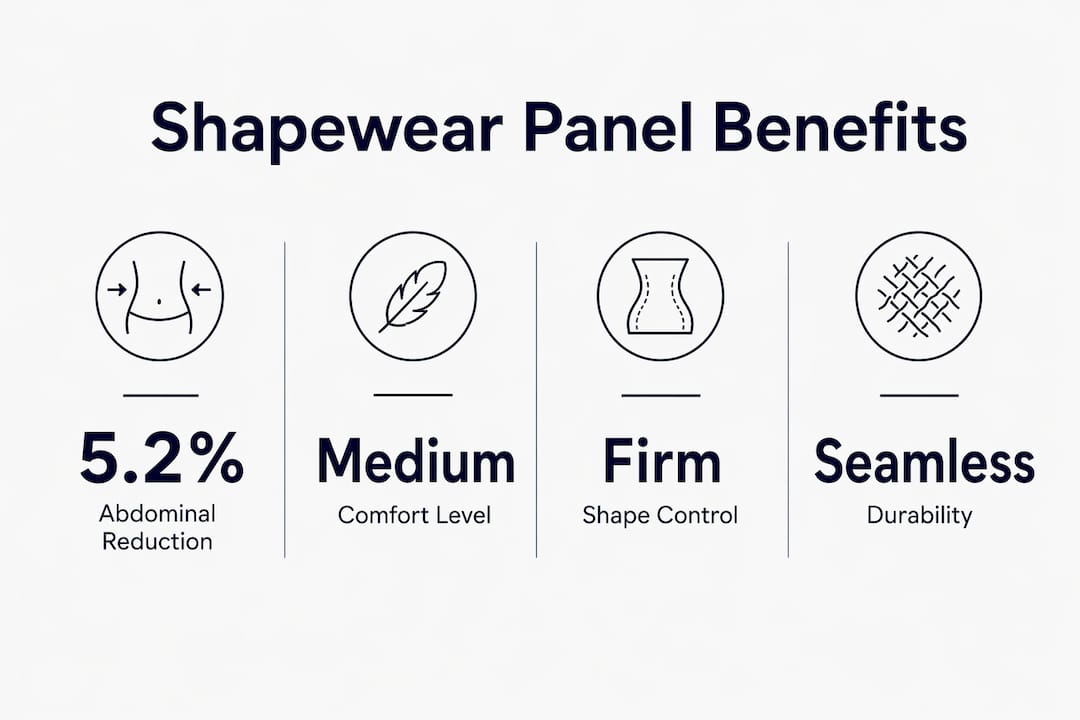
Compression level is also a key variable. Good Housekeeping’s 2026 expert testing found that stronger compression improves shaping but can reduce comfort and mobility. The right level depends on your activity and how long you plan to wear the garment.
Pro Tip: For all-day wear at work or events, choose a medium compression panel garment. Save firm compression for shorter occasions like a wedding or a night out. Your comfort level at hour six tells you everything about whether you picked the right strength.
How does panel design affect comfort, durability, and fit?
Panel design is not just about shaping strength. It directly determines how comfortable a garment feels after hours of wear and how long it holds its shape over time.
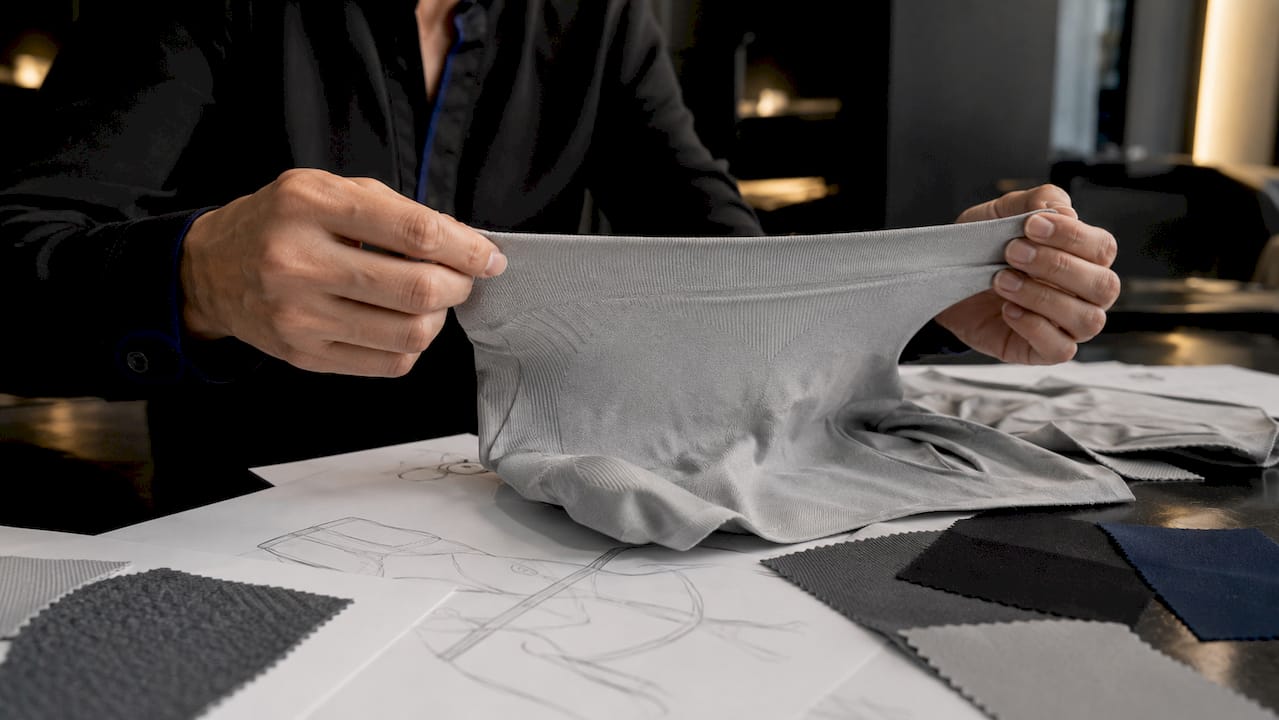
Fabric composition is the starting point. Springer Nature research links elastane content around 31% to near-complete fabric recovery and strong long-term compression retention. Garments with lower elastane content lose their shape faster, especially after washing. This is why two garments at the same price point can perform very differently after a month of regular use.
Pressure decay is the other factor most shoppers never consider. A 2026 ScienceDirect study found that compression garments showed 9%–24% mean pressure decay over an 8-hour wear period. That means a garment providing firm support at 8 a.m. may feel noticeably looser by mid-afternoon. Well-engineered panels with higher elastane content slow this decay significantly.
Poor panel placement creates specific, frustrating fit problems:
- Rolling at the waist or thigh: Happens when panel edges are not anchored properly, causing the fabric to fold under pressure
- Edge bulging: Tissue pushed out at panel seams, creating visible lumps under clothing
- Riding up: Back panels with insufficient tension fail to grip the body, causing the garment to shift upward
Seamless shapewear construction via circular knitting eliminates panel edge lines entirely, which solves the visibility problem under fitted outfits. Seamed construction allows for more precise panel zoning but requires careful finishing to prevent edge effects. Both approaches work well when executed correctly. The key is whether the brand invested in the engineering or cut corners on construction.
For a deeper look at how fabric technology affects panel performance, the shapewear fabric technology guide at Ilovenichewear covers modern materials and their shaping results in detail.
How to choose shapewear based on panel zones and your goals
Understanding panel function turns shapewear shopping from guesswork into a clear decision. The right garment depends on matching panel zones to your specific shaping goals and lifestyle.
Tummy control is the most common goal. Look for bodysuits or high-waist briefs with a reinforced front panel that extends from the hip to just below the bust. This panel type flattens the lower abdomen and supports the midsection without compressing the ribs uncomfortably.
Waist shaping requires side panels with firm lateral compression. Garments that only have a strong front panel will flatten but not cinch. True waist shaping needs tension from the sides as well, pulling the waist inward from multiple directions.
Hip and thigh smoothing calls for shorts or mid-thigh styles with extended side and inner thigh panels. These prevent the common problem of compression stopping abruptly at the upper thigh, which creates a visible line and pushes tissue downward.
Here are the most common shapewear styles and their panel strengths:
- Bodysuits: Full torso coverage with front, side, and back panels. Best for all-over smoothing under dresses and jumpsuits
- High-waist shorts: Strong front and side panels from waist to mid-thigh. Best for pants and skirts
- High-waist briefs: Focused front panel for tummy control. Best for everyday wear with moderate shaping
- Waist cinchers: Concentrated side and front panels for waist definition. Best for special occasions
Selecting shapewear based on panel zones and compression strength consistently improves satisfaction with fit and shaping outcome. Matching the garment to your body type rather than just your size is the single biggest factor in getting the result you want.
Visible lines are the other common pitfall. Avoiding visible panel edges comes down to choosing seamless construction for fitted fabrics and ensuring the garment’s hem sits at a natural body curve rather than mid-thigh or mid-torso.
Pro Tip: Always size based on the brand’s measurement chart, not your usual clothing size. Shapewear that is too small creates more visible lines and discomfort. A correct fit delivers better shaping with less pressure.
Key takeaways
Shapewear panels work because they deliver targeted compression to specific body zones, producing measurable shaping results that uniform garments cannot replicate.
| Point | Details |
|---|---|
| Panels control pressure zones | Zoned compression shapes the body more effectively than uniform tightness across the torso. |
| Measurable shaping results | Abdominal circumference can decrease by up to 5.2% with well-designed panel garments. |
| Pressure decay affects durability | Compression can drop 9%–24% over 8 hours, so elastane content and construction quality matter. |
| Match panels to your goals | Tummy control, waist shaping, and hip smoothing each require different panel configurations. |
| Seamless vs. seamed construction | Seamless panels eliminate visible lines; seamed panels allow more precise zone engineering. |
What i’ve learned from paying attention to panel engineering
Most people buy shapewear based on compression level alone. Firm sounds better than light, so they grab the firmest option and wonder why it rolls, digs in, or loses its shape by lunchtime. I have made that mistake too.
What actually changed my experience was learning to look at panel placement first. A garment with medium compression and smart panel zoning outperforms a firm garment with poor construction every single time. The Springer Nature research on zone-based pressure architecture confirmed what I had already noticed in practice. Even compression is not the goal. Deliberate compression is.
The other thing worth saying out loud: shaping performance changes over time. The IUH research on shaping ability over wear cycles shows that garments perform best in the first 5–8 cycles. After that, fabric recovery determines how much shaping stays. Buying a garment with good elastane content is not a luxury. It is the difference between a garment that lasts a season and one that lasts a year.
If you are shopping for shapewear, spend five minutes reading the fabric specs and looking at the panel construction. That five minutes will save you from a lot of disappointing purchases.
— I
Find shapewear with real panel engineering at Ilovenichewear
If you want shapewear that actually delivers on its shaping promise, the construction behind it matters as much as the style.
Ilovenichewear carries a shapewear collection built around garments with engineered compression panels, breathable fabrics, and durable construction designed to hold their shape wear after wear. Whether you are looking for tummy control, waist shaping, or all-over smoothing, you will find options matched to real shaping goals. Browse the full collection at Ilovenichewear and find the fit that works for your body and your lifestyle. Free shipping makes it easy to try a few styles and discover what panel configuration feels best for you.
FAQ
What are shapewear panels?
Shapewear panels are distinct compression zones within a garment, each engineered to deliver a specific level of pressure to a targeted body area. They differ from uniform compression by controlling where shaping occurs rather than squeezing the entire body equally.
How do shapewear panels improve fit?
Proper panel placement distributes tension evenly across the torso, preventing rolling, edge bulging, and garment slipping. This creates a smoother fit and a more comfortable wear experience compared to single-fabric garments.
Do shapewear panels lose their effectiveness over time?
Yes. Research shows compression can decay by 9%–24% over an 8-hour wear period, and shaping performance shifts after repeated use. Garments with higher elastane content retain compression longer and maintain shaping results across more wear cycles.
What compression level should i choose?
Medium compression works best for all-day wear, balancing shaping and comfort. Firm compression delivers stronger shaping but reduces mobility, making it better suited for shorter occasions. Good Housekeeping’s expert testing recommends matching compression strength to your activity level and how long you plan to wear the garment.
Is seamless shapewear better than seamed?
Seamless shapewear eliminates visible panel edges under fitted clothing, making it the better choice for smooth fabrics and tight outfits. Seamed construction allows more precise panel zoning for targeted shaping. The best option depends on what you are wearing over it and how much shaping you need.
Recommended
- Shapewear for Different Body Shapes: Your Fit Guide – I Love Niche Wear
- Shapewear Silhouette Correction Explained for Every Body – I Love Niche Wear
- Shapewear Health Considerations Explained for Safe Wear – I Love Niche Wear
- Why High Waist Shapewear Shapes Differently Than You Think – I Love Niche Wear