
Stage shapewear compression is defined as a system of graduated pressure levels, each designed for a specific phase of wear, recovery, or body shaping. Why stage shapewear compression differs comes down to three core variables: spandex content, knit tension, and intended use. A garment built for the first days after a body contouring procedure needs to feel soft and gentle. One worn weeks later for silhouette shaping needs to hold firm. These are not interchangeable. Understanding how compression levels progress, and why, helps you choose the right garment for your body and your moment.
Why stage shapewear compression differs: the core mechanics
Compression level is controlled by spandex content and knit tension, which together determine how much pressure a garment applies to the body. That means two garments made from the same fabric blend can feel completely different depending on how the knitting machine was set. One might feel like a light hug. The other might feel like a firm squeeze. Neither is wrong. They just serve different purposes.
Stage shapewear compression is the industry’s way of organizing these differences into a practical system. Each stage corresponds to a pressure range, a set of design features, and a specific use case. The three most common stages are Stage 1, Stage 2, and in some medical contexts, Stage 3.
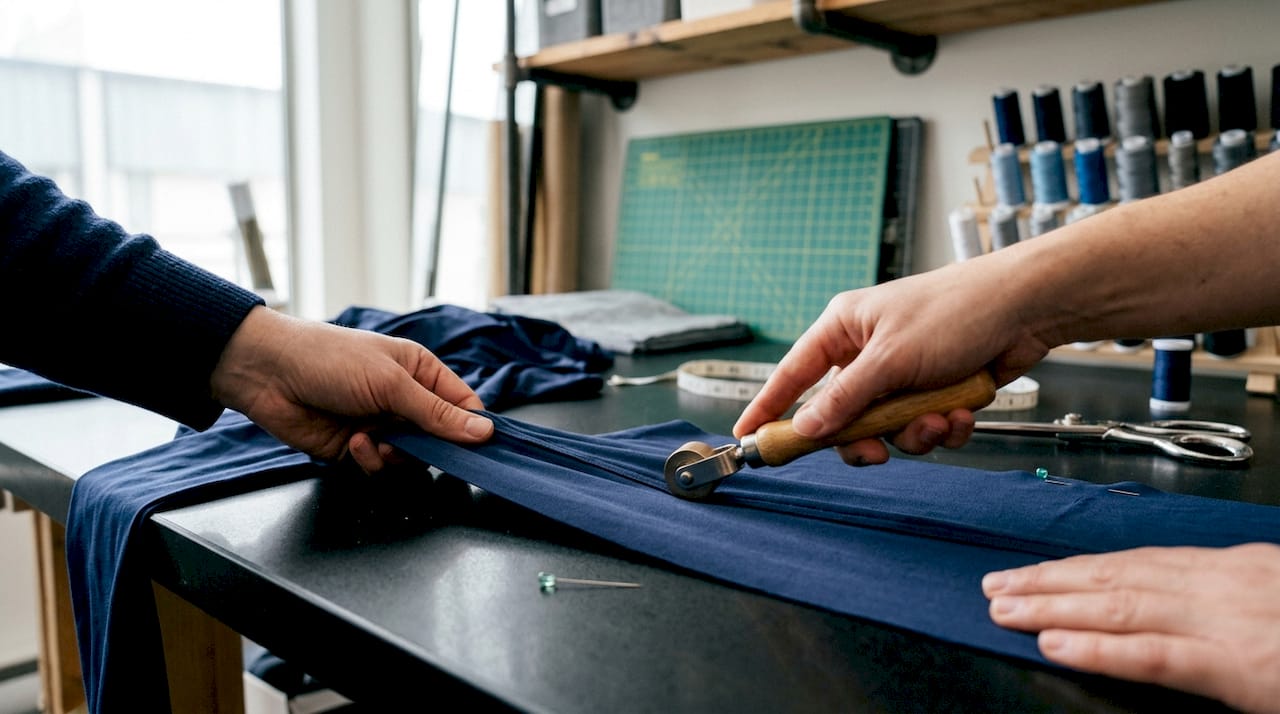
Stage 1: gentle support
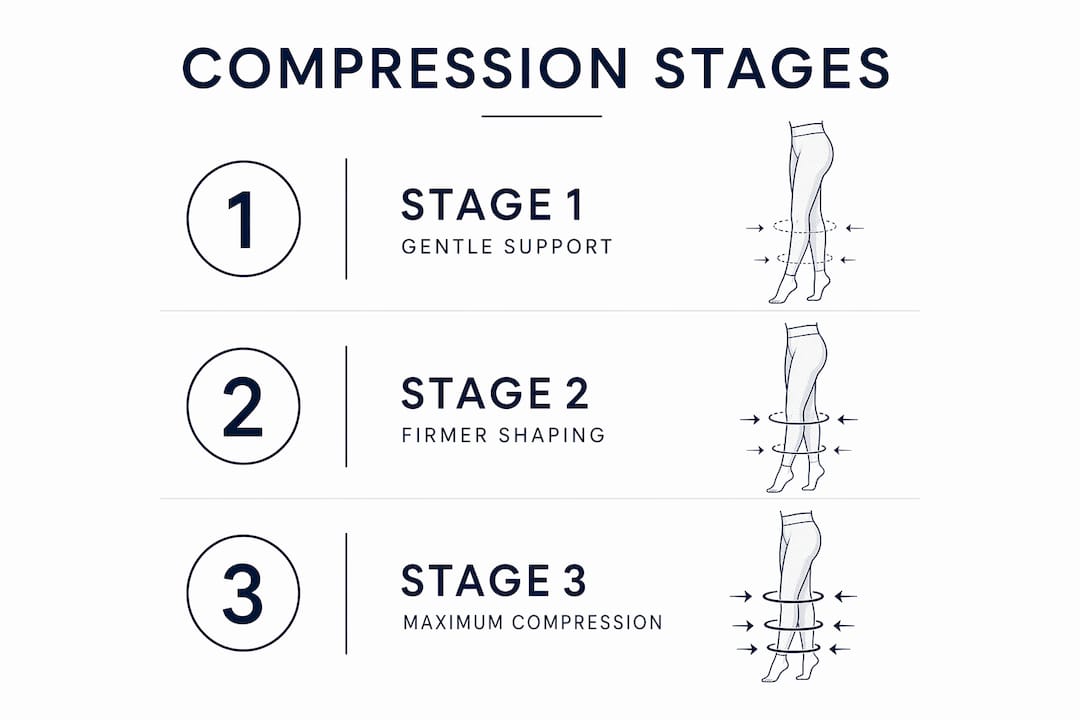
Stage 1 garments provide gentle, softer pressure designed mainly for initial comfort and swelling control. They are typically worn immediately after a procedure, for roughly the first one to two weeks. The fabric is softer, the seams are flatter, and the garment is easier to put on and take off. Breathability is a priority because the body is sensitive and swollen.
Stage 2: firmer shaping
Stage 2 garments offer moderate to firm compression intended for contour shaping and skin retraction. They come into play once initial swelling has subsided and the tissue is ready for more pressure. The fabric is denser, the elasticity is tighter, and the garment often includes boning, adjustable closures, or reinforced panels. This is where visible shaping begins.
| Stage | Compression level | Primary purpose | Key design features |
|---|---|---|---|
| Stage 1 | Light to gentle | Swelling control, initial comfort | Soft fabric, flat seams, easy closures |
| Stage 2 | Moderate to firm | Contouring, skin retraction | Dense knit, reinforced panels, adjustable fit |
| Stage 3 | Extra firm | Long-term sculpting, maintenance | Maximum spandex, structured boning, full coverage |
Pro Tip: If a Stage 2 garment feels painful to wear for more than an hour, your body is telling you it is not ready. Drop back to Stage 1 and give yourself more time.
Why does compression need to change through stages?
The body changes. That is the short answer. The longer answer involves healing phases, tissue behavior, and the difference between medical and aesthetic goals.
Medical-grade compression applies steady pressure that aids healing by managing inflammation and supporting repositioned tissues. In the early days after surgery or body contouring, the tissue is fragile and swollen. Light compression keeps fluid from pooling without stressing the skin. As healing progresses, the tissue firms up and becomes ready for more pressure. That is when firmer compression can actively shape the contour.
The therapeutic goals shift at each stage:
- Swelling control: Light compression reduces fluid buildup without restricting circulation.
- Circulation support: Steady pressure keeps blood moving, which speeds healing.
- Tissue stabilization: Moderate compression holds repositioned fat or skin in place as it settles.
- Skin retraction: Firmer compression encourages the skin to tighten and conform to the new shape.
- Silhouette shaping: Extra firm compression sculpts the final contour for aesthetic results.
Aesthetic goals follow a similar progression. A garment worn for daily comfort needs breathability and flexibility. A garment worn for a special event needs to hold a smooth silhouette under a fitted dress. A garment worn during athletic activity needs to support muscle movement without restricting it.
Healing is dynamic. Early high-pressure compression is incompatible with later contouring needs, which is exactly why staged compression exists. Matching the garment to the phase, not just the body, is what produces the best outcomes.
Using overly firm compression too early can cause pain, reduce how long you wear the garment, and increase the chance you give up on it entirely. Stronger is not always better. The right compression for the right stage is what works.
How to choose the right compression level for your body and occasion
Choosing the right stage shapewear compression starts with being honest about two things: where you are in your body’s timeline, and what you need the garment to do.
-
Identify your phase. Are you in early post-op recovery, later healing, or everyday wear? Post-op recovery calls for Stage 1 first. Everyday wear or special events typically call for Stage 2 or a light Stage 1 depending on your comfort preference.
-
Match compression to your goal. Smoothing a silhouette under a dress is different from actively shaping a waist. Light compression handles smoothing. Firm compression handles sculpting. Know which one you want before you shop.
-
Consider your body type. Shapewear for different body shapes requires different compression zones. A pear-shaped body may need more compression at the hips and thighs. An apple-shaped body may need more support at the midsection. A garment that compresses evenly everywhere often does neither job well.
-
Check the fit, not just the size. A garment that rolls down, digs in, or creates visible lines is the wrong fit, regardless of the size label. Compression should feel like a firm, even hug, not a pinch.
-
Plan your transition. Moving from Stage 1 to Stage 2 should feel like a natural step up, not a shock. If Stage 2 feels too intense, wear it for shorter periods first and build up gradually.
Pro Tip: Check the shapewear compression levels guide at Ilovenichewear before buying. It maps compression levels to specific occasions and body needs, which saves a lot of guesswork at checkout.
For postpartum recovery, the stage approach matters just as much. Postpartum shapewear designed for C-section recovery uses Stage 1 principles: soft fabric, gentle pressure, and easy adjustability for a body that is healing and changing daily.
Common misconceptions about shapewear compression levels
The biggest misconception is that all snug undergarments work the same way. They do not. Shapewear and compression garments differ in function: shapewear smooths and sculpts for appearance, while medical compression garments promote recovery and circulation with targeted pressure zones. Wearing fashion shapewear after surgery is not a substitute for a medical-grade compression garment.
Other common errors include:
- Assuming tighter means better. Compression effectiveness depends on knit tension and fabric elasticity, not just how tight the garment feels. A well-constructed Stage 1 garment can outperform a poorly made Stage 2 garment in terms of actual pressure delivery.
- Skipping stages. Going straight to Stage 2 compression before the body is ready does not speed up results. It increases discomfort and reduces how long you can tolerate wearing the garment.
- Ignoring seam placement. Seams that run across pressure points, like the inner thigh or lower abdomen, can cause irritation under firm compression. Look for flat or bonded seams in those areas.
- Neglecting garment care. Washing compression garments in hot water or putting them in a dryer breaks down the spandex fibers. That reduces compression over time. Hand wash in cool water and air dry to maintain the garment’s pressure integrity.
- Confusing shapewear with medical garments. Industry experts define shapewear as wardrobe tools and compression garments as medical-grade recovery aids. Both have value, but they are not interchangeable.
What I have learned from watching people choose compression shapewear
Most people pick shapewear by feel in the fitting room, or by size chart online, and call it done. That works fine for a casual smoothing layer. But when the goal is recovery, contouring, or long-term wear, that approach leads to frustration fast.
What I have seen consistently is that the readers who get the best results are the ones who treat stage compression like a process, not a purchase. They start with the gentler option, pay attention to how their body responds, and move up only when it feels right. They also read the garment’s construction details, not just the marketing copy. Flat seams, spandex percentage, and closure type matter more than the brand name on the label.
The other thing worth saying plainly: the line between shapewear and medical compression is real, and blurring it can cause harm. If you are recovering from a procedure, talk to your provider before choosing a garment. If you are shopping for everyday shaping, focus on comfort and breathability first. Firm compression worn all day for aesthetic reasons is not a health strategy. It is a fashion choice, and it should feel like one.
— I
Shapewear that fits your stage at Ilovenichewear
Ilovenichewear carries shapewear designed with real compression differences in mind, so you are not guessing which level suits your body or your occasion.
Whether you need a breathable, gentle layer for daily wear or a firmer piece for a special event, the collections at Ilovenichewear are organized to help you find the right fit without the stress. Every body type is welcome, and every stage of your shaping goals has a comfortable, well-made option waiting for you. Browse the full collection and find the compression level that feels just right for where you are today.
Key takeaways
Stage shapewear compression differs because each level is built for a specific phase of healing or shaping, and using the wrong level at the wrong time reduces both comfort and results.
| Point | Details |
|---|---|
| Compression is construction-based | Spandex content and knit tension, not just tightness, determine actual pressure delivery. |
| Stages serve different phases | Stage 1 controls swelling; Stage 2 shapes contours; each requires a different garment design. |
| Stronger is not always better | Overly firm compression worn too early causes discomfort and reduces how long you wear it. |
| Body type affects compression needs | Different body shapes need different compression zones, not uniform pressure across the garment. |
| Shapewear and medical garments differ | Fashion shapewear smooths appearance; medical compression garments support recovery and circulation. |
FAQ
What is stage shapewear compression?
Stage shapewear compression is a system of graduated pressure levels, each designed for a specific phase of wear or recovery. Stage 1 is gentle and soft; Stage 2 is firmer and focused on contouring.
Why does compression level matter for post-op recovery?
The body’s tissue needs change as healing progresses. Light compression controls early swelling, while firmer compression supports skin retraction and shaping once the tissue has stabilized.
Can you wear Stage 2 shapewear for everyday use?
Yes, if it feels comfortable and does not restrict breathing or movement. Stage 2 is appropriate for special events or active shaping goals, but Stage 1 is usually more comfortable for all-day daily wear.
How is shapewear different from a medical compression garment?
Shapewear is designed to smooth and sculpt appearance, while medical compression garments apply targeted pressure to support circulation and tissue healing during recovery.
How do you know when to move from Stage 1 to Stage 2?
Move to Stage 2 when Stage 1 feels loose, swelling has noticeably reduced, and your body tolerates gentle pressure without discomfort. If Stage 2 causes pain, return to Stage 1 for more time.