
Correct shapewear fit is defined by smooth compression, no rolling, and zero skin irritation after hours of wear. The most common shapewear fit mistakes come down to two things: choosing the wrong size and ignoring key garment features. Get either of those wrong, and you trade comfort for frustration. This guide covers the top fit errors, why they happen, and exactly what to do instead, so your shapewear works with your body, not against it.
1. Common shapewear fit mistakes start with the wrong size
Sizing errors cause more fit failures than any other factor. The two most frequent mistakes are buying too small for “extra control” and buying too large for comfort. Both backfire.
Signs your shapewear is too small:
- The waistband rolls down within the first hour
- You see visible tissue displacement above or below the compression zone
- Deep red marks remain on your skin long after you remove the garment
- Breathing feels restricted or uncomfortable
Signs your shapewear is too large:
- Fabric bunches or folds at the waist or thighs
- The garment rides up constantly
- You get no smoothing effect at all
Expert stylists confirm that sizing down for control produces discomfort and unflattering bulges rather than better shaping. The industry standard is to size up when you fall between two sizes. Your correct size delivers the intended smoothing effect. A smaller size just creates new problems.
Pro Tip: Measure your waist, hips, and thighs with a soft tape measure before checking any size chart. Never rely on your clothing size or weight alone. Sizing varies across brands, so treat each purchase as a fresh measurement exercise.

2. Ignoring brand-specific size charts
Every brand sizes differently. A medium in one line is not a medium in another. Sizing cannot transfer directly across brands, and budget options tend to have the least consistent sizing of all. That means your usual size is a starting point, not a guarantee.
Read recent customer reviews on sizing accuracy before you buy. Reviewers often flag whether a style runs small, large, or true to size. That real-world feedback saves you a return trip. When reviews conflict, default to your measurements and the brand’s own chart.
3. Choosing the wrong compression level
Compression amplifies every fit error. Pain or breathing restriction during wear is a technical selection mistake, not a normal feature of compression garments. Modern shapewear textiles are designed to blend compression with comfort. When something hurts, the garment is wrong for your body or occasion, not your body for the garment.
Light compression suits everyday wear and long events. Firm compression works for structured outfits and shorter durations. Extra-firm compression is best reserved for specific occasions, not daily use. Matching compression level to your activity and wear time prevents most discomfort complaints.
Pro Tip: Never size down to get more compression. Select the compression level that fits your measurements correctly. A well-fitted medium-compression garment outperforms a too-small firm one every time.
4. Overlooking silicone grip bands and seamless construction
Construction details make or break long-term fit. Seamless designs and silicone grip strips prevent the two most common complaints: rolling down and constant adjusting. Without these features, even a correctly sized garment shifts throughout the day.
Silicone grip bands on the waistband or leg openings anchor the garment in place. Seamless construction eliminates raised seams that dig into skin or show through clothing. Both features are worth prioritizing, especially for all-day wear. Check for them in the product description before you add anything to your cart.
You can also learn more about anti-roll waistband design and how it prevents one of the most frustrating fit failures in shapewear.
5. Skipping the sit test before committing
The sit test is one of the most practical tools in any shapewear fitting guide. Sit in the garment for at least 5 minutes before deciding it fits. If the waistband folds over or the garment feels restrictive when seated, the torso length is wrong, not the size.
This matters most for bodysuits and full-body styles. A garment that feels fine standing can dig, bunch, or pull the moment you sit down. The sit test catches torso length mismatches that measurements alone miss.
Pro Tip: Also do a movement test. Walk, bend, and reach while wearing the garment. Fit that holds through movement is fit that holds through your actual day.
6. Mismatching garment style to your body shape
Different body shapes need different fit focus areas. Apple shapes should prioritize waist measurement and torso length. Pear shapes need accurate hip sizing above all else. Getting the wrong measurement focus leads to leg openings that cut into the thigh or waist compression that misses the mark entirely.
Petite wearers under 5’4" face a specific challenge: torso length mismatch causes bunching at the crotch or waist. Selecting shapewear labeled for shorter torsos solves this directly. Plus-size wearers benefit from styles with reinforced leg openings and wider waistbands that distribute compression evenly. Ilovenichewear’s guide on shapewear for different body shapes breaks this down by shape in detail.
7. Choosing a style that doesn’t match your outfit
Shapewear style and outfit type must align. A high-waisted brief under a midi dress works well. That same brief under a cropped top creates a visible waistband line. Choosing the wrong silhouette for your outfit is one of the most overlooked shapewear issues.
Check the garment under your actual outfit, not just in the mirror alone. Look for visible lines, bunching at the hem, or compression zones that end in the wrong place. A style that smooths beautifully under one outfit can create new bumps under another.
8. Not reassessing fit after weight changes
Weight fluctuations of 5–10 lbs affect shapewear fit, especially at the waistband. Shapewear that fit perfectly three months ago may roll, dig, or bunch after a weight shift. Reassessing your size periodically is part of good shapewear practice, not a sign that something went wrong.
Size at the higher end of your measurements during normal fluctuation periods. This keeps the garment comfortable and functional across a realistic weight range. Holding onto a size that no longer fits because it “used to work” is one of the quieter shapewear sizing errors people make.
9. Taking measurements incorrectly
Inaccurate measurements feed every other sizing mistake. Use a soft measuring tape held parallel to the floor. Measure your natural waist at the narrowest point, your hips at the fullest point, and your thighs at the widest point. Do not pull the tape tight or let it sag.
The shapewear sizing measurement guide from Ilovenichewear walks through each measurement step clearly. Taking measurements in fitted clothing or guessing from memory leads to the wrong size every time. Measure in underwear or nothing at all for the most accurate result.
10. Ignoring fit-enhancing garment features
Not all shapewear is built the same. Knowing which features address which fit problems helps you shop with purpose.
| Feature | Benefit | Best for |
|---|---|---|
| Silicone grip bands | Prevents rolling and shifting | All-day wear, active days |
| Seamless construction | No visible lines under clothing | Fitted or thin-fabric outfits |
| Adjustable straps | Customizes torso length | Petite or tall wearers |
| Reinforced leg openings | Prevents cutting in at thighs | Pear shapes, plus sizes |
| Multiple compression zones | Targets specific areas | Waist, hip, or thigh focus |
Choosing features based on your most common fit complaint is more effective than buying based on price or brand alone. A garment with the right features at a moderate price point outperforms an expensive one that lacks them.
Key takeaways
The single most effective way to avoid shapewear fit mistakes is to take accurate measurements, use each brand’s size chart, and match garment features to your body shape and occasion.
| Point | Details |
|---|---|
| Size up when between sizes | The correct size smooths; a smaller size causes bulges and discomfort. |
| Use brand-specific size charts | Sizing varies across brands and cannot be transferred directly. |
| Match compression to occasion | Light compression for daily wear; firm for structured, shorter events. |
| Prioritize grip bands and seamless design | These features prevent rolling and constant adjusting throughout the day. |
| Reassess fit after weight changes | Fluctuations of 5–10 lbs affect waistband fit and overall comfort. |
What I’ve learned from watching people get shapewear wrong
The most common mistake I see is not the wrong size. It’s the wrong mindset. People buy shapewear expecting it to do the work of a different body. That’s not what it does. Good shapewear smooths and supports what’s already there. When the fit is right, you forget you’re wearing it. When it’s wrong, you think about it every single minute.
The “size down for more control” myth is the one I wish would disappear entirely. Sizing down does not give you more shaping. It gives you a garment that fights your body all day. The discomfort is not a sign it’s working. It’s a sign it doesn’t fit.
Modern shapewear fabrics are genuinely good now. The technology has caught up to the promise. True fit problems come from selection errors, not from the fabric itself. That means the solution is almost always simpler than people think: measure accurately, read the size chart, check the construction features, and do the sit test. Four steps. That’s it.
Comfort and confidence are not opposites. The right shapewear gives you both. You just have to give it the right information to work with.
— I
Shapewear that’s designed to fit right from the start
Finding shapewear that actually fits shouldn’t feel like a guessing game. At Ilovenichewear, every style is chosen with comfort, construction, and real body shapes in mind.
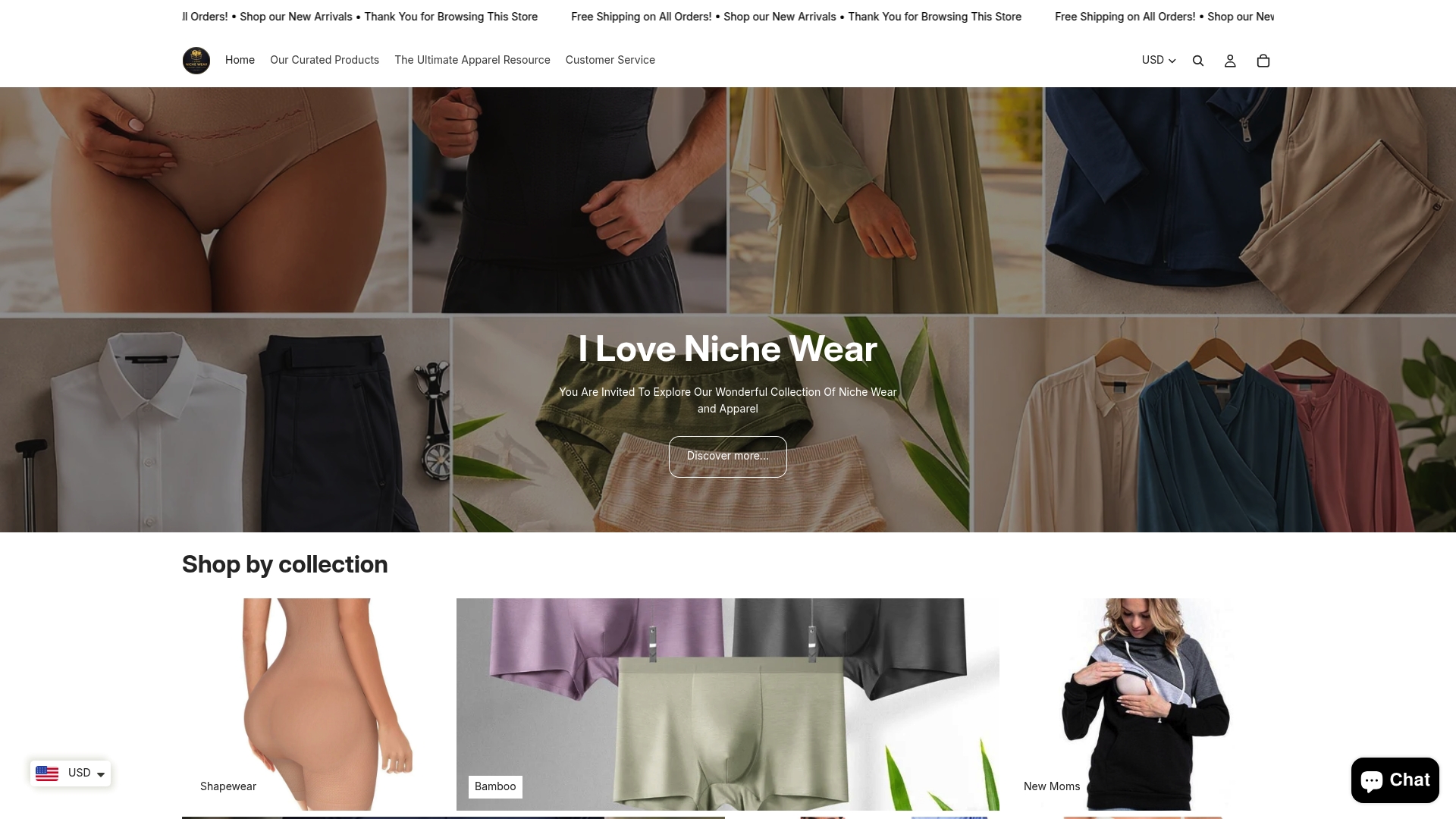
From light everyday smoothing to firm support for special occasions, the collection at Ilovenichewear covers a range of compression levels, torso lengths, and body-shape-specific styles. Each product page includes sizing guidance so you can match measurements to the right fit the first time. No rolling, no bunching, no adjusting all day. Browse the full collection and find the style that works for your shape and your wardrobe.
FAQ
What causes shapewear to roll down?
Rolling down is caused by a garment that is too small or lacks silicone grip bands at the waistband. A correctly sized garment with grip features stays in place all day.
How do I know if my shapewear is too tight?
Deep red marks that persist after removal and breathing restriction during wear are clear signs the garment is too tight. Light, temporary marks after hours of wear are normal.
Should I size down for more control?
No. Sizing down creates visible bulges and discomfort rather than better shaping. The industry standard is to size up when between sizes for both comfort and effectiveness.
How often should I reassess my shapewear size?
Reassess your size after any weight change of 5–10 lbs, as this affects waistband fit and overall compression. Shapewear that fit well previously may roll or dig after a weight shift.
Does body shape affect which shapewear size I choose?
Yes. Apple shapes should prioritize waist and torso length measurements, while pear shapes need accurate hip sizing. Using the wrong measurement focus leads to cutting leg openings or poor waist compression.